
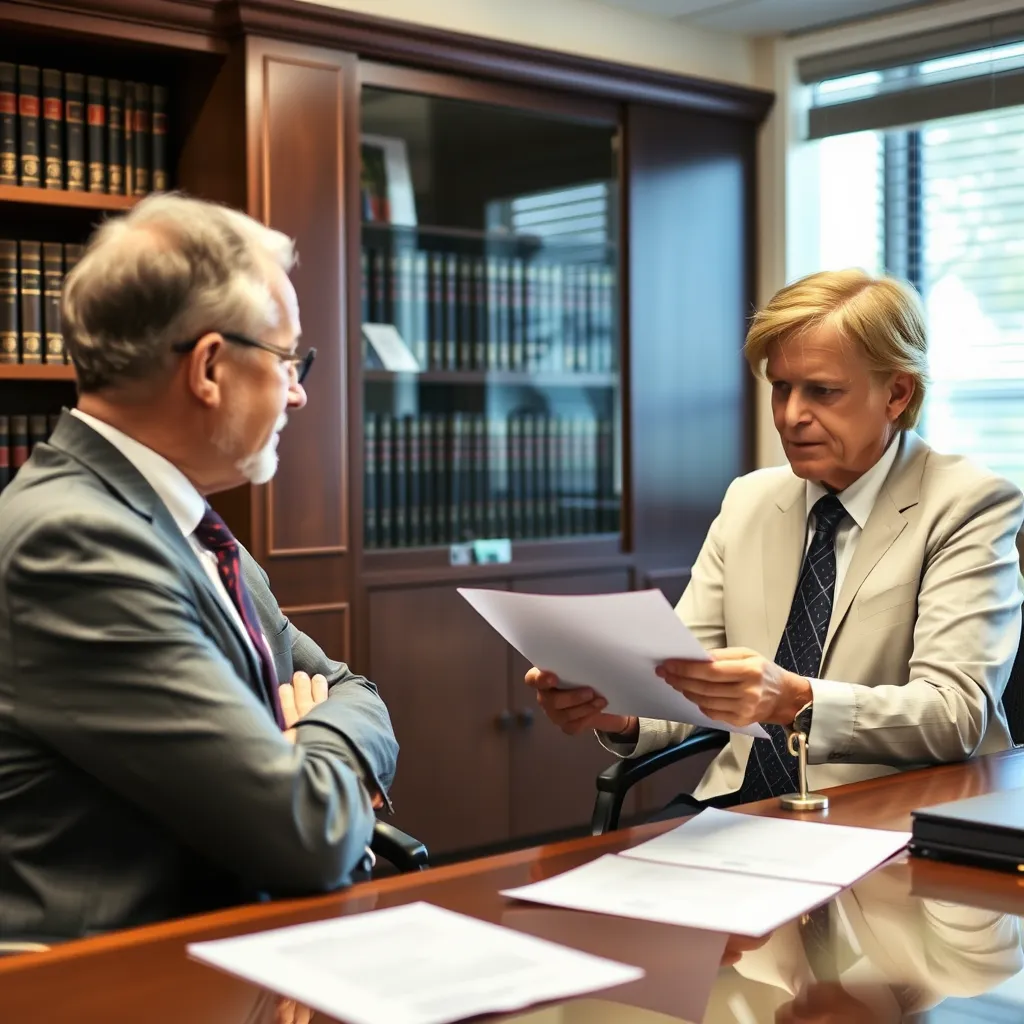
Temporary Guardianship Lawyer Poquoson, VA
When a family needs a short‑term legal arrangement for the care of a child or an adult, navigating the court process in Poquoson, Virginia, can feel overwhelming. A temporary guardianship allows a responsible person to step in quickly when a parent or an incapacitated adult is unable to make decisions or provide care for a limited period. In Poquoson, these matters are heard before the Poquoson Juvenile and Domestic Relations District Court for child‑related petitions and the Poquoson Circuit Court for adult guardianship proceedings under Virginia Code § 64.2‑2000 et seq. The small‑city scale of Poquoson—an independent city on the Chesapeake Bay in the Eighth Judicial District—means that local court procedures and judicial expectations matter, and having an attorney who understands how the Poquoson courts handle temporary guardianship petitions can make a significant difference. Law Offices Of SRIS, P.C. provides representation throughout the Poquoson area, assisting families to prepare and present their petitions clearly. To speak with a member of our team about your temporary guardianship needs, call (888) 437‑7747. Law Offices Of SRIS, P.C. – Advocacy Without Borders.
What Temporary Guardianship Means in Poquoson, Virginia
Temporary guardianship in Virginia is a court‑ordered arrangement that gives a responsible adult the legal authority to care for a child or an incapacitated adult for a limited time. Unlike permanent guardianship or adoption, a temporary order is designed to address an immediate need—for example, when a parent is hospitalized, deployed, or otherwise temporarily unable to act. In Poquoson, the legal framework is set out in Virginia Code Title 64.2, which governs both guardianship of the person (personal and medical decisions) and conservatorship (management of property). A person seeking a temporary guardianship must file a petition in the appropriate court, provide notice to interested parties, and demonstrate to the court that the temporary arrangement is in the best interests of the child or the adult alleged to be incapacitated.
Poquoson’s two primary courts for these matters operate with distinct procedures. The Poquoson Juvenile and Domestic Relations District Court handles temporary custody and guardianship petitions involving minors, including emergency requests. The Poquoson Circuit Court, located at 500 City Hall Avenue, has jurisdiction over adult guardianship and conservatorship proceedings as well as more permanent relief. Because Poquoson is a small city, the court can move quickly on emergency petitions when the paperwork is in order and the legal standard is clearly met. Our Richmond location represents clients at both courts, and we work to present a thorough petition that addresses the judge’s concerns about the child’s welfare or the adult’s capacity without unnecessary delay.
The statutory standards require the court to evaluate several qualitative factors, including the relationship between the proposed guardian and the subject of the petition, any history of family interactions, and the availability of less restrictive alternatives. In child‑focused cases, the judge applies the “best interests of the child” standard similar to custody determinations. In adult cases, the court assesses whether the adult lacks the functional capacity to manage personal affairs and whether a temporary guardian appointment is the least restrictive means to address the need. Because every situation is unique, legal guidance can help frame the petition in a way that directly addresses the factors the Poquoson courts consider.
How Mr. Sris and His Of Counsel Handle Temporary Guardianship Cases
When you work with Law Offices Of SRIS, P.C., Mr. Sris and his Of Counsel team focus on presenting the factual and legal basis for a temporary guardianship clearly and efficiently. The process typically begins with a detailed discussion of the circumstances that make a temporary arrangement necessary. We then prepare the petition and supporting documentation, such as affidavits from family members or professional evaluations when needed, and file them with the correct Poquoson court. The petition must explain why the temporary order is needed, describe the proposed guardian’s relationship to the subject, and outline the specific powers being requested—whether limited to healthcare decisions, educational enrollment, or more comprehensive authority.
Next, the court schedules a hearing. In Poquoson, the hearing calendar moves according to the court’s docket, and the timeline varies case by case. Mr. Sris and his Of Counsel attend the hearing to present the petition, answer the judge’s questions, and address any objections from other family members. If the matter is contested, we work to resolve disputes through negotiation when possible or to present evidence at a contested hearing. For adult guardianship cases, a court evaluator or guardian ad litem may be appointed, and we coordinate with those professionals to ensure the court receives a complete picture. Throughout the proceeding, we focus on achieving an outcome that protects the subject of the guardianship while respecting family dynamics and the legal standards applicable in Virginia.
About Mr. Sris and His Of Counsel Team
Mr. Sris is the Owner and Founder of Law Offices Of SRIS, P.C., practicing since 1997. A former prosecutor himself, he brings a measured, analytical approach to family law matters, including guardianship proceedings. Mr. Sris testified before the Virginia House Courts of Justice Committee in support of 2019 HB 635 (chief patron Del. David Bulova), reflecting his commitment to Virginia’s legal framework. He is admitted in Virginia, Maryland, the District of Columbia, New Jersey, and New York, and leads a team of experienced Of Counsel attorneys who concentrate in family law, child welfare, and related practice areas. Mr. Sris and his Of Counsel bring extensive combined legal experience. Results may vary.
Every attorney working with the firm on family law matters is an Of Counsel professional—there are no associates or junior attorneys. This structure allows clients to benefit from the focused attention of seasoned practitioners. The team’s background includes familiarity with Virginia’s guardianship statutes, local court procedures in Poquoson and surrounding communities, and a practical understanding of how temporary orders fit within broader family dynamics. For your temporary guardianship matter, you work directly with Mr. Sris and his select Of Counsel team.
Frequently Asked Questions
What is a temporary guardianship in Virginia?
A temporary guardianship in Virginia is a court order that grants a responsible adult limited legal authority to care for a child or incapacitated adult for a short, defined period. It is intended for situations where immediate action is necessary—such as a parent’s sudden illness, military deployment, or a medical emergency involving an elderly relative. The order can cover personal decisions, healthcare, and sometimes property management depending on the scope requested. Temporary guardianship is not permanent and ends on a date set by the court or when the emergency that prompted it resolves. The process is governed by Virginia Code § 64.2‑2000 et seq., and a petition must be filed in the proper Poquoson court.
How does the court decide a temporary guardianship petition in Poquoson?
The Poquoson court decides a temporary guardianship petition by evaluating whether an urgent need exists and whether the proposed arrangement serves the best interests of the child or adult. The judge reviews the petition, any supporting affidavits or professional evaluations, and hears testimony at a hearing. For children, the court considers the child’s relationship with the proposed guardian and any history of family interactions. For adults, the court looks at functional capacity and whether a less restrictive alternative would meet the need. The judge in Poquoson has broad discretion to grant or deny the petition based on the evidence presented, making thorough preparation important.
Do I need a lawyer to file for a temporary guardianship in Poquoson?
You are not legally required to have a lawyer to file a temporary guardianship petition in Poquoson, but experienced legal representation can help you avoid procedural missteps and present a stronger case. The petition must comply with Virginia’s statutory requirements and local court forms. An attorney can ensure that all necessary parties receive proper notice and that the petition clearly addresses the legal factors the judge must consider. When the guardianship is contested or involves complex family dynamics, having a lawyer from Law Offices Of SRIS, P.C. helps you navigate the hearing with a prepared, calm presentation. Call (888) 437‑7747 to discuss your situation.
How long does a temporary guardianship order last in Virginia?
A temporary guardianship order in Virginia lasts for the period set by the court, which varies based on the specific circumstances. The court will typically set a review date or an expiration date when the order is entered. The duration is governed by the statutory framework and the judge’s assessment of how long the emergency or incapacity is expected to persist. In some cases, the temporary order can be extended if the need continues, but the petitioner must return to court to obtain an extension. The timeline depends on the court’s calendar and the facts of the case; our team can advise you on what to expect based on your specific matter.
What is the difference between guardianship and custody in Virginia?
Guardianship and custody are distinct legal concepts in Virginia: custody generally addresses the day‑to‑day care of a child by a parent or person acting in a parental role, while guardianship provides legal authority for a specific purpose, such as healthcare decisions or managing an adult’s affairs. A temporary guardianship can coexist with a custody order—for instance, a relative may obtain temporary guardianship of a child for medical treatment while the parents retain legal custody. In Poquoson, custody matters are heard in the Juvenile and Domestic Relations District Court, while adult guardianship petitions go to the Circuit Court. Our attorneys can help you understand which legal tool fits your situation.
Can a temporary guardianship be challenged in Poquoson?
Yes, a temporary guardianship can be challenged—typically by a parent, another interested family member, or the subject of the petition, by filing an objection with the court. Once an objection is raised, the court will hold a hearing where both sides present evidence. The judge then determines whether the temporary arrangement should remain, be modified, or be terminated. Challenging a guardianship requires meeting statutory legal standards; having an attorney who can argue the facts and the law clearly is important whether you are seeking the guardianship or opposing it. Mr. Sris and his Of Counsel represent both petitioners and respondents in contested guardianship proceedings in Poquoson.
Related Family Law Resources:
Family Law Lawyer in Fairfax County •
Family Law Attorney in Fairfax City •
Falls Church Family Law Representation •
Prince William County Family Law Counsel •
Manassas Family Law Lawyer
Virginia Legal Resources:
Virginia Code Title 64.2 – Guardianship and Conservatorship •
Poquoson Combined Courts •
Virginia Judicial System
Attorney advertising. Prior results do not guarantee a similar outcome. Results may vary. Case results depend on a variety of factors unique to each case.