
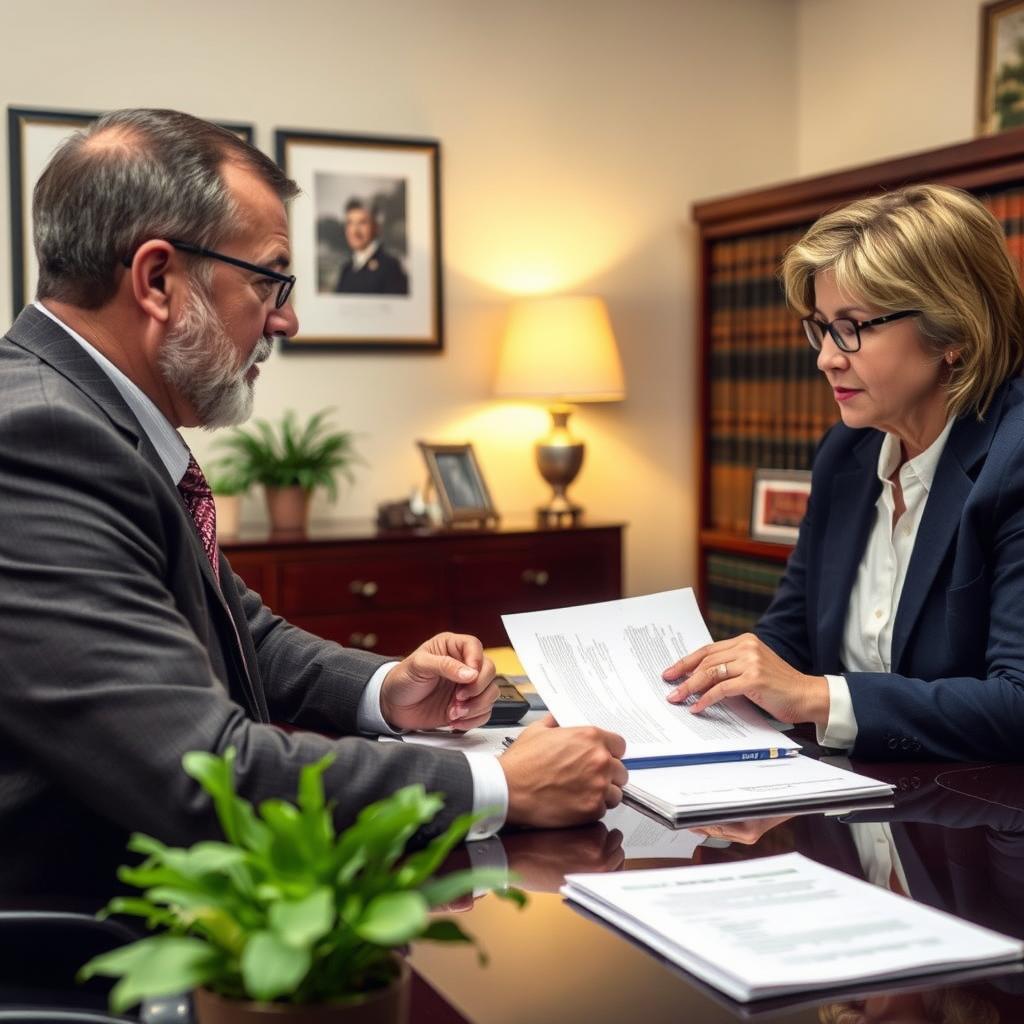
Standby Guardianship Lawyer Rockingham County, VA
Standby guardianship allows a parent or legal custodian to designate a trusted adult to step in and care for a child if the parent becomes unable to do so because of illness, incapacity, or other circumstances. In Rockingham County, Virginia, these petitions are filed in the Circuit Court or the Juvenile and Domestic Relations District Court, depending on whether the matter is part of a broader family law proceeding. The process is governed by Virginia Code § 64.2‑2000 et seq., and the court considers the best interests of the child at every stage. Mr. Sris and his Of Counsel serve families throughout Rockingham County — including Harrisonburg, Bridgewater, Dayton, Elkton, Timberville, and Broadway — from the firm’s Shenandoah location. To discuss your situation, contact Law Offices Of SRIS, P.C. at (888) 437‑7747. Law Offices Of SRIS, P.C. – Advocacy Without Borders.
What Standby Guardianship Means in Rockingham County, Virginia
Standby guardianship is a legal mechanism that enables a parent to name a future guardian for a minor child while the parent is still alive. Unlike a traditional guardianship — which typically requires a finding that the parent is currently unfit — a standby guardianship is forward‑looking. It goes into effect when a specified triggering event occurs, most commonly the parent’s serious illness, incapacity, or death. In Virginia, the statutory framework is set out in Va. Code § 64.2‑2000 and the sections that follow. The court must find that the appointment serves the child’s best interests and that the proposed guardian is suitable.
In Rockingham County, standby guardianship petitions may be filed in the Rockingham County Circuit Court if the matter is tied to an existing divorce, custody, or equitable distribution case. Standalone guardianship petitions — those not attached to a pending family law action — are heard in the Rockingham County Juvenile and Domestic Relations District Court. Both courts are located at 53 Court Square in Harrisonburg, within the Twenty‑sixth Judicial District. Judges in these courts are familiar with the unique dynamic of standby guardianship: the parent is not relinquishing custody at the time of filing; rather, the petition sets up a safety net for the child. Mr. Sris and his Of Counsel prepare and present these petitions with the care they require, ensuring that the statutory notice requirements are met and that the evidence of the parent’s future need is clearly documented.
How Mr. Sris and His Of Counsel Handle Standby Guardianship Cases
Every standby guardianship begins with a thorough consultation. Mr. Sris and his Of Counsel sit down with the parent to understand the triggering condition — whether it is a scheduled surgery, a degenerative diagnosis, or another situation that could affect the parent’s ability to care for the child. They review the proposed guardian’s background, the child’s relationship with that person, and any potential objections from other family members. From there, they draft the petition and supporting affidavits, making certain the documentation aligns with the requirements of Va. Code § 64.2‑2000 et seq. And the local practices of the Rockingham County courts.
Once the petition is filed, the court schedules a hearing. Mr. Sris and his Of Counsel appear at the hearing, present evidence, and examine witnesses. They address any concerns the court may raise and, if the proceeding is contested, cross‑examine opposing witnesses. Throughout the process, they keep the parent informed and handle the procedural steps — from service of process to the entry of the final order. The goal is a guardianship order that is effective when the triggering event occurs and that reflects the child’s best interests. Because each case turns on its specific facts, timelines vary, but Mr. Sris and his Of Counsel work to move the matter forward as efficiently as the court’s calendar and the circumstances permit.
About Mr. Sris and His Of Counsel Team
Mr. Sris is the Owner and Founder of Law Offices Of SRIS, P.C. He has practiced family law since the firm was founded in 1997. A former prosecutor, Mr. Sris brings a trial‑tested perspective to every guardianship matter. He is admitted to practice in Virginia, Maryland, the District of Columbia, New Jersey, and New York. In addition to his courtroom work, Mr. Sris testified before the Virginia House Courts of Justice Committee in support of 2019 HB 635 (chief patron Del. David Bulova). His legislative experience reflects a long‑standing commitment to improving family law in the Commonwealth.
Mr. Sris and his Of Counsel bring extensive combined legal experience to standby guardianship cases. Results may vary. The Of Counsel team includes attorneys with backgrounds in child welfare, complex litigation, and family law. Together, they handle every phase of a standby guardianship — from initial consultation through final order — with careful attention to the statutory and evidentiary requirements. The firm serves clients from its Shenandoah location at 505 N Main St, Suite 103, Woodstock, VA 22664, by appointment only. Phone consultations are available 24 hours a day.
Frequently Asked Questions
How does a standby guardianship work in Virginia?
A standby guardianship becomes effective when a specified event — such as the parent’s incapacity or death — occurs, and the court finds the appointment is in the child’s best interests. In Virginia, the process begins when the parent files a petition in the Circuit Court or Juvenile and Domestic Relations District Court. The parent names the proposed standby guardian and describes the anticipated triggering condition. The court reviews the petition, may require testimony from the parent and the proposed guardian, and must be satisfied that the child’s welfare will be served. If the petition is granted, the standby guardian can step in immediately when the triggering event happens, without the need for a separate proceeding.
What is the difference between standby guardianship and custody?
Custody refers to the ongoing legal and physical care of a child, while standby guardianship is a future‑oriented arrangement that takes effect only upon a parent’s incapacity or death. In a custody case, the court determines where the child lives and who makes decisions for the child now. A standby guardianship, by contrast, is designed for a future contingency. The parent retains full custody and decision‑making authority until the triggering event. This distinction is important in Rockingham County proceedings because a custody order and a standby guardianship order can exist side by side, each serving a different purpose.
What factors does the court consider when reviewing a standby guardianship petition?
The court examines the child’s best interests, the suitability of the proposed guardian, the nature of the triggering condition, and any potential objection from another parent or interested party. Virginia law does not list a fixed set of factors for standby guardianship, but courts typically look at the child’s relationship with the proposed guardian, the guardian’s ability to provide a stable home, the parent’s reason for requesting the standby arrangement, and any risk of harm to the child. In Rockingham County, judges will also verify that all statutory notice requirements have been satisfied and that the petitioner has standing to bring the action.
Can a standby guardian be appointed if the parent is facing a long‑term illness?
Yes, a standby guardian can be appointed when a parent anticipates being unable to care for the child due to a long‑term illness or progressive condition. The petition must describe the condition and the expected impact on the parent’s caregiving ability. The court does not require that the parent be currently incapacitated; the petition is designed for future need. Medical evidence or a physician’s statement may be submitted to support the petition. Once the court is satisfied that the arrangement serves the child’s best interests, it can enter an order that goes into effect when the parent can no longer exercise his or her parental responsibilities.
Do I need a lawyer for a standby guardianship in Rockingham County?
While Virginia does not require you to hire a lawyer for a standby guardianship, having experienced counsel helps ensure the petition is properly prepared and that your child’s future is protected. The statutory requirements — notice, standing, best‑interests evidence — can be difficult to navigate without legal training. Mr. Sris and his Of Counsel handle the drafting, filing, and hearing representation so that the petition is presented effectively. If any party objects, the proceeding can become contested, and representation becomes even more important. For guidance on your specific situation, reach Law Offices Of SRIS, P.C. at (888) 437‑7747.
How long does the standby guardianship process take in Rockingham County?
The timeline varies by case complexity and the court’s calendar, but an uncontested standby guardianship can often be resolved in weeks to a few months after filing. The rockingham Circuit Court and J&DR Court schedule hearings based on docket availability. If all parties consent and the petition is complete, the court may approve the guardianship at the first hearing. Contested matters — where another parent or relative objects — can extend the timeline. Mr. Sris and his Of Counsel work to present a well‑documented petition from the start, which helps reduce unnecessary delay.
Related Family Law Pages: Clarke County Family Law · Shenandoah County Family Law · Frederick County Family Law · Warren County Family Law · Augusta County Family Law
Additional resources: Virginia Code Title 20 (Domestic Relations) · Rockingham/Harrisonburg General District Court
Attorney advertising. Prior results do not guarantee a similar outcome. Results may vary.
Case results depend on a variety of factors unique to each case.