
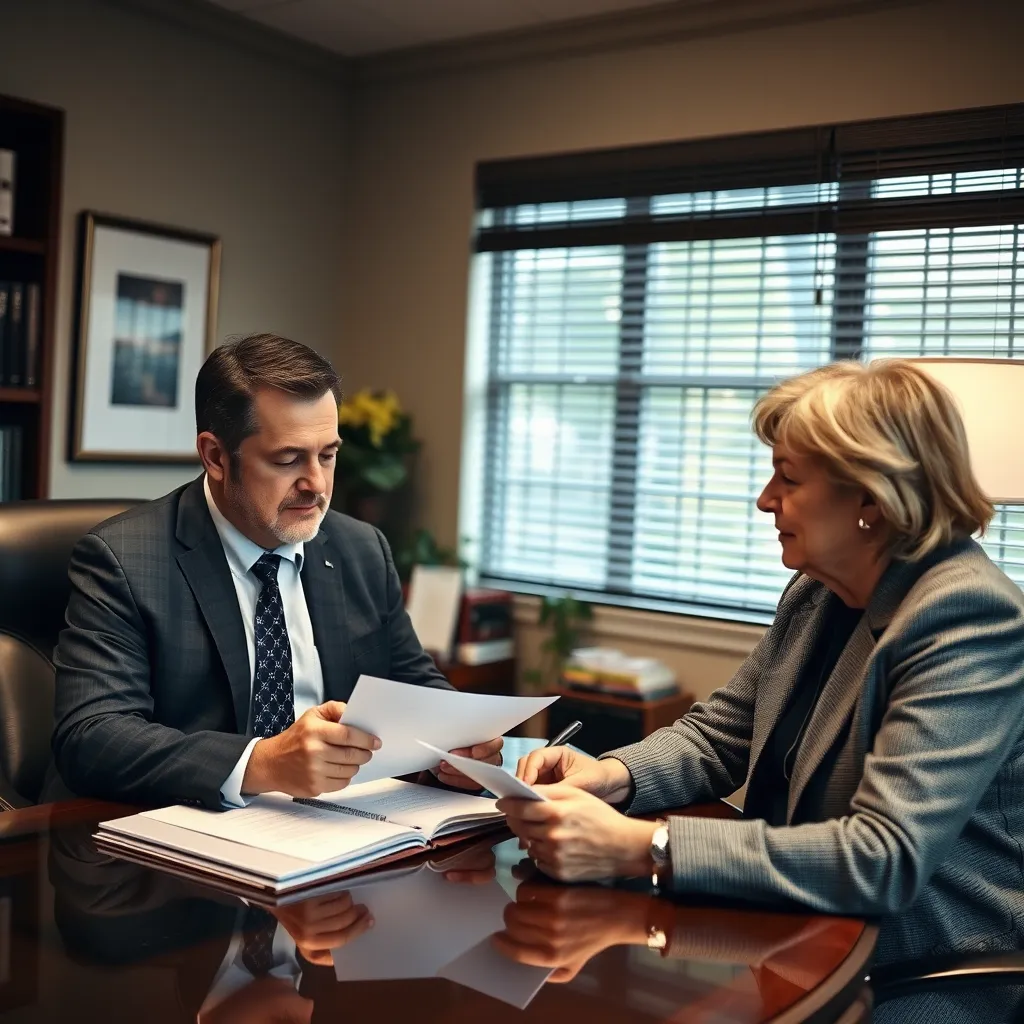
Standby Guardianship Lawyer in Fairfax, VA
Reviewed by Mr. Sris, Owner and Founder
Admitted in Virginia, Maryland, District of Columbia, New Jersey, and New York
Practicing since 1997
Planning for the future is one of the most responsible acts a person can undertake. While many people focus on creating wills and trusts, they often overlook the crucial element of standby guardianship—the legal framework that dictates who will step in when you are unable to make decisions for yourself. A standby guardianship lawyer in Fairfax, VA, provides more than just paperwork; we provide peace of mind. This type of planning is vital because incapacity does not always come with warning, and without proper documentation, your family could face costly, emotionally draining, and legally ambiguous court battles.
At Law Offices Of SRIS, P.C., we understand that the need for standby guardianship arises from a deep desire to protect loved ones and maintain autonomy over one’s own life and assets. Our practice focuses on creating comprehensive, multi-layered legal strategies tailored specifically to the unique circumstances of our clients in Fairfax County and throughout Northern Virginia. If you are concerned about what happens if you become incapacitated—whether due to illness, accident, or advanced age—understanding standby guardianship is the essential first step toward securing your family’s financial and personal well-being.
What Is Standby Guardianship in Fairfax, VA?
Standby guardianship, sometimes referred to as a durable power of attorney for healthcare or financial planning, is a proactive legal mechanism. It appoints a trusted individual—the “agent” or “guardian”—to step into your shoes and manage your affairs if you become legally incapacitated. Crucially, this designation is standby because the appointed person only acts when the designated trigger event (incapacity) occurs. This contrasts with traditional guardianship, which often requires court intervention and can be a much more public and invasive process.
In Virginia, the law governing these matters is complex and constantly evolving. A comprehensive plan typically involves several documents working together: a Durable Power of Attorney for Finances, a Healthcare Directive (or Advance Directive), and sometimes specific guardianship agreements depending on the nature of the incapacity. Our goal when serving as your standby guardianship lawyer in Fairfax, VA, is to ensure that these documents are legally sound, enforceable in Virginia courts, and reflect your exact wishes without ambiguity.
Why Is Planning for Incapacity So Important?
The importance of proactive planning cannot be overstated. When a person becomes incapacitated without these documents in place, the default mechanism is often the court system. This process is notoriously slow, expensive, and stressful for everyone involved—the family, the appointed guardian, and the estate itself. A judge must be convinced that incapacity exists, which requires medical evidence, legal filings, and time. Meanwhile, assets may be frozen, bills pile up, and critical decisions regarding healthcare might be delayed.
By establishing a standby guardianship through our firm, you bypass the need for emergency court intervention. You empower your chosen agent with the legal authority to act immediately, efficiently, and discreetly. This preserves your privacy, saves your family significant legal fees, and ensures that your personal values guide the decisions made on your behalf. Furthermore, proper planning allows you to address not only financial matters but also complex medical directives, ensuring your care aligns with your deepest wishes.
How Does the Process of Establishing Guardianship Work?
Establishing a robust guardianship plan is not a one-time transaction; it is a multi-step consultation process. First, we conduct an in-depth interview to understand your assets, your family structure, your medical wishes, and your concerns regarding potential incapacity. We then draft the necessary legal instruments—including the Durable Power of Attorney and Advance Directive. These documents must be meticulously drafted to withstand legal scrutiny years down the line.
Next, we advise you on the proper execution and witnessing requirements for these documents under Virginia law. While some documents can be executed privately, others may require notarization or even witnesses depending on the specific state statute being invoked. Finally, we ensure that all relevant parties—your agent, your successor agents, and your beneficiaries—understand their roles and responsibilities. Because the law is so nuanced, consulting with an experienced standby guardianship lawyer in Fairfax, VA, ensures every detail is covered.
How Mr. Sris and the Firm’s Of Counsel Attorneys Handle Standby Guardianship Cases in Fairfax
Handling standby guardianship cases requires a delicate balance of legal precision, deep empathy, and comprehensive planning. Our approach begins with a holistic review of the client’s entire life structure—financial, medical, and relational. We do not simply file documents; we build a protective shield around your autonomy. This involves coordinating with estate planners, financial advisors, and healthcare providers to ensure that the legal directives mesh seamlessly with real-world operational needs. Our team focuses on creating clear lines of authority so that when the unexpected happens, the transition of power is immediate and legally unimpeachable.
The experience of our firm’s Of Counsel attorneys allows us to provide specialized knowledge across various jurisdictions and complex asset classes. Whether the matter involves coordinating care between multiple facilities or navigating the intricacies of interstate asset management, we bring a collective depth of experience to every case. We guide you through the necessary steps to ensure your wishes are honored, providing robust legal counsel that anticipates future challenges, thereby solidifying your standing as a trusted standby guardianship lawyer in Fairfax, VA.
About Mr. Sris and the Firm’s Of Counsel Attorneys
Law Offices Of SRIS, P.C. has built its reputation on providing deeply personalized and authoritative legal counsel. Mr. Sris, Owner and Founder, brings decades of experience in complex estate planning and incapacity law. As a former prosecutor, he possesses a unique understanding of how legal disputes unfold, allowing him to draft documents that are not only legally sound but also practically enforceable when challenged. His commitment to client advocacy is matched by his dedication to thorough preparation, ensuring every client understands the gravity and the necessity of their planning.
Mr. Sris is admitted in Virginia, Maryland, the District of Columbia, New Jersey, and New York, providing our clients with a multi-jurisdictional perspective that is invaluable for those with assets or family members located across state lines. Furthermore, the firm’s Of Counsel attorneys represent a network of highly specialized legal minds. These independent attorneys allow us to maintain an extensive level of service quality without sacrificing the individual case review you deserve. We operate as one cohesive unit, pooling collective knowledge to serve the community.
Related Topics in Estate Planning
Guardianship planning is part of a larger picture of comprehensive estate planning. Understanding these related areas can help you build an even stronger legal framework:
- Durable Power of Attorney Law Offices Of SRIS, P.C.: Granting financial authority while alive.
- Living Trust Lawyer Fairfax, VA: A primary tool for asset management and probate avoidance.
- Advance Directive Lawyer in Virginia: Specific instructions regarding medical treatment.
Fairfax Guardianship vs. Arlington Guardianship
While the principles of standby guardianship are consistent across Northern Virginia, local nuances exist. For instance, jurisdictional filing requirements or specific county court practices might differ between Fairfax County and neighboring jurisdictions like Arlington County. When you need an Arlington guardianship lawyer, it is crucial that the attorney understands the specific procedural rules of both counties to ensure seamless documentation and execution. We maintain deep local knowledge across all major Northern Virginia communities.
Loudoun County Estate Planning Services
Many clients who reside in Loudoun County require coordination between their estate planning documents and the specific laws governing that area. A comprehensive plan must account for potential cross-border issues or unique local asset holdings. Our ability to serve as a trusted standby guardianship lawyer in Fairfax, VA, while maintaining thorough knowledge of surrounding areas like Loudoun estate planning lawyer, ensures your entire regional picture is covered.
What Are the Key Differences Between Trusts and Guardianships?
This is a common point of confusion. A trust is primarily an asset management tool, designed to hold and distribute property according to rules set by the grantor. A guardianship, conversely, is a legal status or role—it appoints a person to make decisions for another person who lacks capacity. While trusts can fund a guardianship (by providing assets to the guardian), they are not the same thing. You need both: the trust manages the money, and the power of attorney/guardianship designates the decision-maker. Understanding this distinction is key to effective planning.
How Do I Find a Standby Guardianship Attorney Near Me?
Finding the right attorney requires more than just proximity; it requires proven experience in incapacity law. You need counsel that understands the specific statutes of Virginia, Maryland, and the District of Columbia, as these laws dictate the validity and execution of your documents. We recommend looking for a firm that specializes exclusively in elder law and estate planning, rather than one that treats guardianship as an ancillary service. Our practice is dedicated to being the experienced standby guardianship lawyer in Fairfax, VA, ensuring you receive focused, experienced attorney attention.
Ready to Secure Your Family’s Future?
Don’t wait until a crisis forces your hand. By scheduling a consultation with our team, you take the most important step toward preserving your autonomy and protecting your loved ones. Reach our location at (888) 437-7747 to schedule an appointment.
Frequently Asked Questions About Standby Guardianship
What is the difference between a Power of Attorney and guardianship?
A Power of Attorney (POA) grants specific financial authority to an agent while you are still capable. A guardianship, on the other hand, is often a court-ordered status that assumes control over your person and finances when you are deemed incapacitated. POA is proactive; guardianship is typically reactive.
Does my state of residence matter for standby guardianship?
Yes, the specific laws governing incapacity and agency vary significantly by state. Because we serve clients across multiple jurisdictions, our team ensures that the documents drafted are compliant with the laws of Virginia, Maryland, and the District of Columbia.
How long does it take to establish a standby guardianship?
The initial consultation can be lengthy as we gather all necessary information. However, if all documents are provided in a timely manner, the actual drafting and execution process can often be completed within a few weeks.
Can I name multiple agents for my standby guardianship?
Yes, it is frequently consulted. You should name a primary agent and at least one or two successor agents. This ensures that if your first choice is unavailable or unwilling to serve, there is an immediate, legally recognized backup.
Are standby guardianship documents enforceable if I am mentally competent?
Yes, the act of signing and executing these documents while you are competent is precisely what makes them legally binding. The documentation itself serves as proof of your wishes for when competence is lost.
What if my agent disagrees with the decisions I made in my directives?
This is rare but possible. Comprehensive planning includes mechanisms to mediate such conflicts, often by naming a third-party fiduciary or advisor who can step in to make objective decisions when the appointed agents disagree.
Do I need to update my documents if my financial situation changes?
Absolutely. Life changes—divorces, new assets, changes in family structure—require corresponding updates to your legal documents to maintain their accuracy and enforceability.
Is standby guardianship only for financial matters?
No. It encompasses both financial management (assets, bills) and healthcare directives (medical treatment, end-of-life care), ensuring all aspects of your life are covered.
Disclaimer: The information provided on this website is for informational purposes only and does not constitute legal advice. Every individual’s situation is unique, and laws change frequently. You must consult with a qualified attorney licensed in your jurisdiction to discuss your specific needs. Law Offices Of SRIS, P.C. Practices in Virginia, Maryland, the District of Columbia, New Jersey, and New York.
Case results depend on a variety of factors unique to each case.
Attorney advertising. Prior results do not guarantee a similar outcome.