
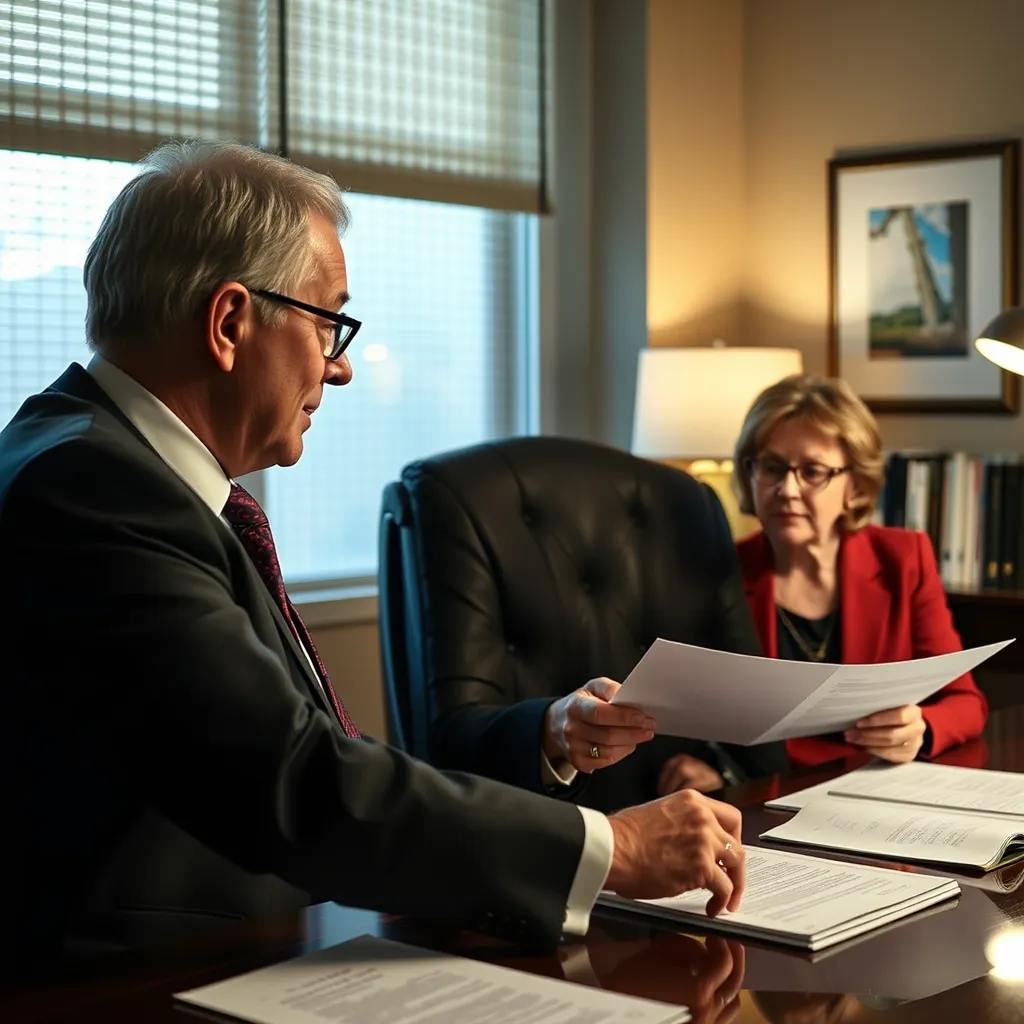
Rehabilitative Alimony Lawyer in Falls Church, VA
When the financial landscape of a marriage changes, the support structure designed for the beginning of the union may no longer be adequate. This is where rehabilitative alimony comes into play. For residents in Falls Church, Virginia, navigating the complexities of spousal support requires more than just legal knowledge; it requires understanding the specific financial and emotional trajectory of both parties involved.
At Law Offices Of SRIS, P.C., we understand that alimony is not a static payment—it is often a mechanism designed to bridge a gap between a former marital standard of living and a new reality. Our team has extensive experience in Virginia family law, helping clients establish or modify support payments through rehabilitative means. Whether you are seeking to establish support for a long-term partner or looking to modify existing payments, our goal is to ensure the resulting agreement is fair, sustainable, and legally binding under Virginia law.
Need Guidance on Alimony in Falls Church?
The laws governing spousal support are complex and highly dependent on individual circumstances. Do not navigate these issues alone. Our experienced rehabilitative alimony practice is dedicated to providing clear, actionable counsel.
(888) 437-7747
By appointment only. Call us today to schedule a confidential consultation at our location.
What Exactly is Rehabilitative Alimony?
Rehabilitative alimony is a form of spousal support designed to help one or both parties regain financial stability and the ability to become self-sufficient following the dissolution of a marriage. Unlike permanent alimony, which may be intended to maintain a marital standard of living indefinitely, rehabilitative payments are structured with a clear end date and a defined purpose: rehabilitation.
In Virginia, the concept is rooted in the belief that support should not be perpetual but should instead serve as a temporary bridge. The goal is to allow the receiving spouse time and resources to acquire new skills, complete education, or establish a career path that will eventually lead to financial independence. This makes the payments conditional and goal-oriented.
How Does Rehabilitation Work in Practice?
The process typically involves the court assessing several key factors: the length of the marriage, the disparity in income between the parties, the earning capacity of the receiving spouse, and the specific educational or vocational steps needed to improve their financial standing. The resulting support order will outline specific milestones—such as completing a degree or obtaining professional certification—that must be met before the payments can be adjusted or terminated.
Understanding Spousal Support Laws in Virginia
Virginia law governs spousal support through various statutes, and rehabilitative alimony falls under this umbrella. It is crucial to understand that the court has wide discretion when determining the amount and duration of support. This means that a blanket rule does not apply; every case must be analyzed based on the unique financial history and future earning potential of the individuals involved.
The Role of Financial Documentation
To successfully argue for or against rehabilitative alimony, robust financial documentation is paramount. We assist our clients in gathering and presenting detailed records, including tax returns, pay stubs, asset valuations, and educational transcripts. This evidence allows us to build a comprehensive picture of the financial gap that needs bridging, ensuring that any support order is based on verifiable facts rather than assumptions.
Modification of Existing Alimony
Life changes—job loss, career shifts, or unexpected expenses—can necessitate a modification of existing alimony payments. If the circumstances change, the support agreement must reflect that reality. Our practice includes handling complex modifications, ensuring that any adjustments are legally sound and protect your financial interests moving forward.
What to Expect During Alimony Litigation in Falls Church
The litigation process can feel overwhelming, but knowing the steps ahead helps manage expectations. Generally, the process involves several stages: initial filing, discovery (where both sides exchange financial and legal information), mediation (a non-binding negotiation facilitated by a neutral third party), and finally, court hearing.
The Importance of Mediation
Many family law cases are resolved through mediation before they reach a full trial. Mediation is often faster, less expensive, and allows the parties to retain more control over the final terms. Our attorneys are skilled in negotiating favorable outcomes that meet the rehabilitative goals of our clients while minimizing unnecessary conflict.
Preparing for Court
If litigation is necessary, we prepare you thoroughly for court proceedings. This includes organizing your testimony, anticipating opposing counsel’s arguments, and presenting experienced attorney financial analyses that support your claim for rehabilitative support. Our commitment to our clients means we handle the legal complexity so you can focus on your future.
Related Topics You May Need Guidance On:
How Mr. Sris and the Firm’s Of Counsel Attorneys Handle Rehabilitative Alimony Cases in Falls Church
Handling rehabilitative alimony cases in Falls Church requires a nuanced approach that balances immediate financial needs with long-term economic viability. Our process begins with a deep dive into your unique financial history, treating every case as an opportunity to build a sustainable path forward. We do not simply argue for a number; we construct a comprehensive financial roadmap. This involves working with forensic accountants and financial planners to model potential income streams and educational investments that will maximize your self-sufficiency while ensuring the support structure remains fair to all parties.
The firm’s Of Counsel attorneys bring specialized experience from diverse legal backgrounds, allowing us to approach rehabilitative alimony from multiple angles. Whether the case involves complex asset division, international earning considerations, or navigating specific Virginia statutory requirements, our collective experience ensures that your counsel is comprehensive and highly tailored. We are committed to advocating for outcomes that not only address the immediate financial gap but also empower you to build a resilient future, making us a trusted choice for rehabilitative alimony services in Falls Church.
About Mr. Sris and the Firm’s Of Counsel Attorneys
Mr. Sris, Owner and Founder, has dedicated his career to family law, building a practice focused on equitable and sustainable outcomes for clients across multiple jurisdictions. As a former prosecutor, he brings a unique perspective to litigation—one that emphasizes thorough preparation, strategic negotiation, and an unwavering commitment to the facts. Mr. Sris is admitted in Virginia, Maryland, the District of Columbia, New Jersey, and New York, providing his clients with access to a five-jurisdiction practice that understands the nuances of multi-state family law disputes.
The firm’s Of Counsel attorneys are a collective of highly specialized practitioners who augment our core team’s capabilities. They represent independent attorneys in various facets of family law, ensuring that no matter the complexity of your rehabilitative alimony case, you receive counsel from the most knowledgeable minds in the field. This collaborative structure allows us to provide deep, multi-faceted support while maintaining the individual case review and dedication that defines Law Offices Of SRIS, P.C.
If you are looking for assistance with other matters, we also have dedicated practices for Washington D.C. Divorce law and Maryland alimony lawyer services.
Frequently Asked Questions About Rehabilitative Alimony
What is the difference between rehabilitative and permanent alimony?
Rehabilitative alimony is temporary and structured with a clear end goal—to help the receiving spouse become financially self-sufficient. Permanent alimony, conversely, is intended to provide long-term support, often indefinitely, to maintain a marital standard of living.
Does Virginia law require rehabilitative alimony?
Virginia law does not mandate rehabilitative alimony, but it provides the framework for courts to consider temporary and transitional support payments. The court will assess whether a rehabilitative structure is necessary based on the parties’ financial disparities and earning potential.
How long can rehabilitative alimony last?
The duration is highly variable and depends entirely on the court order and the milestones set for rehabilitation. It may last until the receiving spouse achieves a specific income level or completes a defined educational program.
Can I use my own income to pay alimony?
Yes, spousal support payments are generally viewed as a form of financial obligation that can be paid from earned income. However, the court will determine the appropriate source and amount, taking into account your current financial stability.
What happens if I fail to meet my rehabilitation goals?
If you are receiving support based on meeting certain milestones (like completing a degree), failing to meet those goals could lead to a modification or termination of the payments, as stipulated by the court order.
Is rehabilitative alimony always paid through court order?
While most formal agreements are formalized by a court order, sometimes parties can reach a private agreement. However, for maximum legal protection and enforceability, having the agreement documented and approved by a judge is strongly recommended.
Does my current job affect my alimony payments?
Yes. Any significant change in employment status, income, or earning potential—either an increase or a decrease—is a factor that can trigger a review and potential modification of your support payments.
Can I negotiate rehabilitative alimony without going to court?
In many cases, yes. Mediation and direct negotiation are often the most efficient ways to reach a mutually acceptable agreement. Our attorneys can guide you through these private settlement processes.
Take the Next Step Toward Financial Stability
The path to financial stability after divorce is challenging, but it is achievable with the right legal guidance. If you are a resident of Falls Church and need experienced attorney counsel on rehabilitative alimony, do not delay. Contact Law Offices Of SRIS, P.C. Today.
Call (888) 437-7747 to request a consultation.
***Disclaimer: The information provided on this website is for informational purposes only and does not constitute legal advice. Family law is highly dependent on individual facts and circumstances, and laws change frequently. You should consult with a qualified attorney in your jurisdiction regarding your specific situation. Do not rely on any information from this site to make legal decisions.***
Case results depend on a variety of factors unique to each case.
Attorney advertising. Prior results do not guarantee a similar outcome.