
Note: This article is confirmed by Law Offices Of SRIS, P.C.
AUTHOR BIO:WRITTEN BY
Mr. Sris is the Founder, CEO & Principal Attorney at Law Offices Of SRIS, P.C. Since 1997, Mr. Sris has led the firm, focusing on the most challenging criminal and family law cases. His background in accounting and information management aids in financial and technology-related cases. He has been involved in significant legislative changes in Virginia.
Parent lawyer Virginia
What is parent lawyer Virginia
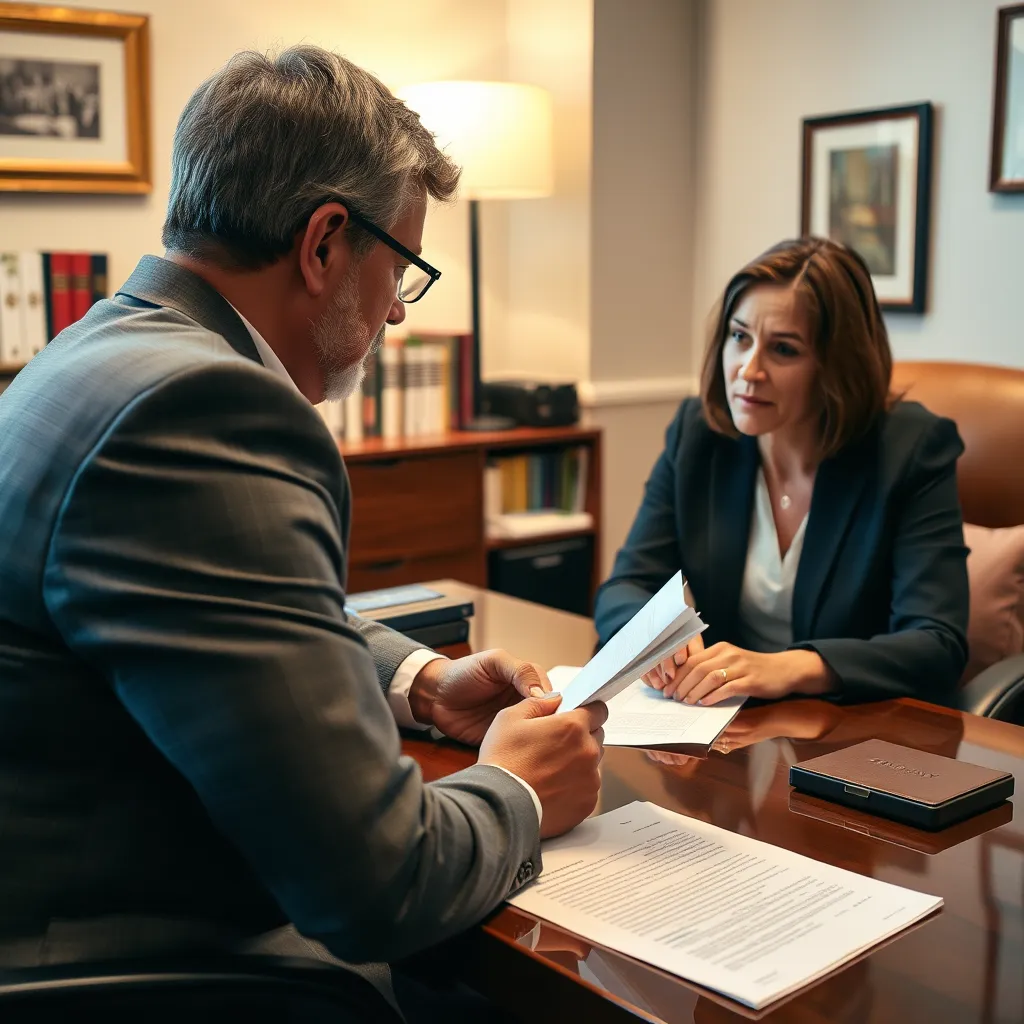
Parent lawyer Virginia refers to legal professionals who represent individuals in matters concerning parental rights and responsibilities within Virginia’s family court system. These attorneys focus on cases where parents need legal assistance regarding their children, whether during divorce proceedings, separation, or when establishing parental rights for unmarried parents. The role encompasses various family law aspects that directly impact the parent-child relationship.
The work involves preparing legal documents, filing petitions with the court, and representing clients in hearings. Attorneys review custody arrangements, calculate child support according to Virginia guidelines, and establish visitation schedules. They help parents understand how court decisions will affect their daily lives and long-term relationships with their children. Legal professionals in this field stay current with Virginia family law statutes and court procedures.
Defense strategies focus on protecting parental rights while considering the child’s best interests. Attorneys gather evidence, interview witnesses, and prepare arguments demonstrating their client’s ability to provide appropriate care. They may negotiate settlements or prepare for trial when agreements cannot be reached. The approach balances legal rights with practical considerations for family stability.
Professional insight emphasizes that Virginia courts prioritize children’s welfare when making decisions about custody and visitation. Legal professionals understand how judges evaluate factors like parental involvement, home environment, and children’s needs. They guide clients through the emotional aspects of family law proceedings while maintaining focus on legal objectives.
Reality Check: Family court decisions have lasting effects on parent-child relationships. Legal guidance helps manage expectations and develop realistic strategies.
How to find child custody lawyer Virginia
Finding a child custody lawyer Virginia requires careful consideration of several factors to ensure appropriate legal representation. Begin by identifying attorneys who specifically handle family law cases in Virginia jurisdictions. Research their backgrounds, including education, bar admissions, and years of practice. Review their experience with custody cases similar to your situation, whether involving contested custody, relocation issues, or special circumstances.
The process involves scheduling initial consultations with potential attorneys. Prepare questions about their approach to custody cases, familiarity with local courts, and communication practices. Discuss fee structures, billing methods, and estimated costs for your type of case. Evaluate how well the attorney understands your concerns and whether their strategy aligns with your goals for the custody arrangement.
Action steps include gathering relevant documents before consultations, such as existing court orders, communication records, and information about your child’s needs. Be prepared to discuss your parenting history, work schedule, and living arrangements. Consider how potential attorneys explain legal concepts and whether they provide clear information about Virginia custody laws and procedures.
Professional insight suggests that effective child custody representation requires understanding both legal standards and practical family dynamics. Attorneys should explain how Virginia courts determine custody based on the child’s best interests. They should discuss factors like parental involvement, stability, and the child’s adjustment to home, school, and community. Look for attorneys who balance assertive advocacy with realistic assessments of likely outcomes.
Straight Talk: The right attorney understands both legal requirements and family realities. Choose someone who communicates clearly about process and possibilities.
Can I handle parental rights attorney Virginia matters alone
Individuals have the legal right to represent themselves in parental rights matters in Virginia courts, but this approach presents significant challenges. The family court system involves specific procedures, filing requirements, and evidentiary standards that can be difficult to manage without legal training. Missing deadlines, improper filings, or inadequate preparation can negatively affect case outcomes and parental rights.
The process requires understanding Virginia’s parental rights statutes, court rules, and local procedures. Self-represented individuals must research relevant laws, prepare legal documents correctly, and present evidence effectively. They need to understand how to respond to motions, participate in hearings, and comply with court orders. Mistakes in any of these areas can compromise their position regarding custody, visitation, or support matters.
Defense considerations involve developing legal arguments that address the child’s best interests standard. Without legal training, individuals may struggle to present evidence persuasively or counter opposing arguments effectively. They might overlook important factors that Virginia courts consider when making decisions about parental rights and responsibilities. Procedural errors could limit their ability to present their case fully.
Professional insight emphasizes that parental rights cases involve emotional dynamics alongside legal requirements. Attorneys provide objective perspective while advocating for clients’ interests. They understand how judges evaluate factors like parental involvement, stability, and children’s needs. Legal representation helps ensure proper procedure while developing strategies aligned with clients’ goals for their parental relationships.
Blunt Truth: Court procedures have specific requirements that affect case outcomes. Legal guidance helps avoid errors that could impact parental rights.
Why hire fathers rights lawyer Virginia
Hiring a fathers rights lawyer Virginia provides specific advantages for fathers involved in family law matters. These attorneys understand the unique considerations fathers may face in custody, visitation, and support cases. They work to ensure courts properly consider fathers’ roles and relationships with their children. Legal representation helps address potential biases or misconceptions that could affect case outcomes.
The approach involves developing strategies that highlight fathers’ involvement in children’s lives and ability to provide appropriate care. Attorneys gather evidence demonstrating parental participation in daily activities, education, healthcare, and emotional support. They prepare arguments showing how proposed arrangements serve children’s best interests while preserving important father-child relationships. Legal professionals understand how Virginia courts evaluate factors relevant to fathers’ roles.
Action strategies include negotiating parenting plans that reflect fathers’ involvement and addressing specific concerns like work schedules or geographic distance. Attorneys help fathers understand their rights and responsibilities under Virginia law. They provide guidance on communication with co-parents, compliance with court orders, and modification procedures when circumstances change. Legal representation helps fathers manage the emotional aspects of family law proceedings while focusing on legal objectives.
Professional insight emphasizes that effective representation for fathers requires understanding both legal standards and practical family dynamics. Attorneys should explain how Virginia courts determine custody and visitation based on children’s needs rather than parental gender. They help fathers present evidence showing their parenting abilities and commitment to children’s welfare. Legal guidance helps develop realistic expectations while pursuing favorable outcomes.
Reality Check: Family court decisions should focus on children’s needs, not parental gender. Effective representation ensures all relevant factors receive proper consideration.
FAQ:
1. What does a parent lawyer do in Virginia?
Parent lawyers handle custody, visitation, and support matters in Virginia family courts.
2. How are child custody decisions made in Virginia?
Courts consider the child’s best interests, including parental involvement and stability.
3. What factors affect child support calculations in Virginia?
Income, custody arrangements, and children’s needs influence support amounts.
4. Can fathers get equal custody in Virginia?
Courts determine custody based on children’s needs, not parental gender.
5. How long do custody cases typically take in Virginia?
Timelines vary based on case challenge and court schedules.
6. What is a parenting plan in Virginia?
A written agreement detailing custody, visitation, and decision-making arrangements.
7. Can custody orders be modified in Virginia?
Modifications require showing substantial change in circumstances.
8. What rights do unmarried parents have in Virginia?
Both parents have rights, but establishment procedures may differ.
9. How does relocation affect custody in Virginia?
Relocation requests require court approval and consideration of children’s interests.
10. What happens if a parent violates custody orders?
Courts can enforce orders through various legal remedies.
11. How are visitation schedules determined?
Schedules consider children’s needs, parental availability, and practical logistics.
12. What if parents cannot agree on custody arrangements?
Courts make decisions based on evidence and children’s best interests.
Past results do not predict future outcomes