
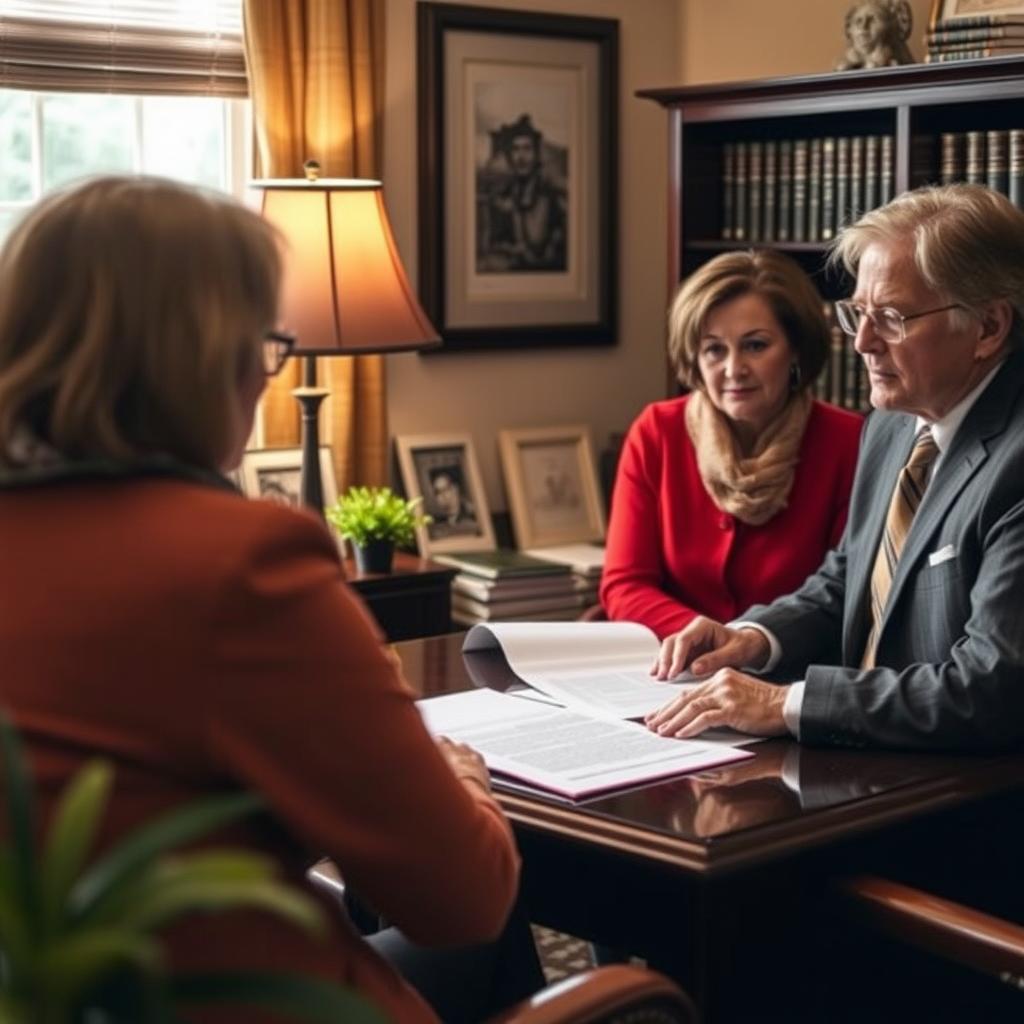
Kinship Guardianship Lawyer Rappahannock County, VA
When a child’s parents are unable to provide care, a relative often steps forward to offer stability. In Rappahannock County, Virginia, kinship guardianship provides a legal path for grandparents, aunts, uncles, and other family members to obtain the authority to make decisions for a child in their care. A kinship guardianship lawyer helps you navigate the petition process before the Rappahannock County Juvenile and Domestic Relations District Court, located at 250 Gay Street in Washington, Virginia. Law Offices Of SRIS, P.C. Concentrates its family law practice on helping families secure the legal protections their children need. To schedule a consultation, reach our location at (888) 437-7747. Law Offices Of SRIS, P.C. – Advocacy Without Borders.
How Kinship Guardianship Works in Rappahannock County
Kinship guardianship is a legal arrangement that places a child with a relative when the biological parents cannot or should not retain custody. In Virginia, a petition for kinship guardianship is typically filed in the Juvenile and Domestic Relations District Court. That court has authority over custody, visitation, and support matters for children, while the Circuit Court handles divorce, equitable distribution, and spousal support. The Rappahannock County Juvenile and Domestic Relations District Court, part of the Twentieth Judicial District, addresses petitions brought by relatives seeking to become a child’s legal guardian. The process requires demonstrating to the court that the arrangement serves the child’s best interests and that the proposed guardian is suitable.
Our experienced multi-state attorneys serve families throughout Rappahannock County, including the communities of Washington, Sperryville, and Flint Hill. Law Offices Of SRIS, P.C. assists relatives with gathering the necessary documentation, filing the petition, and presenting a clear case to the court. Because every family’s situation is different, the timeline and specific requirements depend on the court’s calendar and the complexity of the matter. We work with families to pursue favorable outcomes while ensuring all procedural steps are handled with care.
Frequently Asked Questions About Kinship Guardianship in Rappahannock County
What is the difference between kinship guardianship and adoption in Virginia?
Kinship guardianship gives a relative legal custody and decision‑making authority for the child without permanently severing the parents’ legal rights, while adoption creates a new permanent parent‑child relationship and terminates the birth parents’ rights. In Virginia, guardianship can be modified or terminated if circumstances change, allowing for a less final arrangement. Adoption requires a separate proceeding in the Circuit Court. An experienced attorney can help you determine which option best fits your family’s goals and the child’s needs.
Who is eligible to petition for kinship guardianship in Rappahannock County?
Generally, close relatives such as grandparents, aunts, uncles, adult siblings, and sometimes other family members who have a substantial relationship with the child may petition for kinship guardianship. The court evaluates each petitioner’s relationship to the child, ability to provide a safe home, and willingness to meet the child’s ongoing needs. The standard is always the best interests of the child. A family law attorney can review your situation and advise whether you meet the legal criteria for filing a petition in the Rappahannock County Juvenile and Domestic Relations District Court.
How does a Virginia lawyer defend against a challenge to a kinship guardianship?
Defense strategies in a contested kinship guardianship matter may include presenting evidence of the guardian’s stable home environment, demonstrating the child’s strong bond with the guardian, and addressing any concerns raised by opposing parties or the court. The attorney examines procedural compliance, gathers witness testimony, and works to show that the guardianship continues to serve the child’s best interests. Every case is decided on its own facts, and an experienced attorney evaluates the specific circumstances under Virginia law to build the most effective presentation.
What should I do if I am facing a dispute over kinship guardianship in Rappahannock County?
Contact a family law attorney immediately and avoid discussing the details of the case with anyone other than your lawyer. Preserve all relevant documents, including school records, medical information, and any prior court orders. The court deadlines and hearing dates in Virginia require prompt action. An attorney can assess whether you already have legal standing, whether a formal petition needs to be filed or modified, and how to address any emergency concerns while protecting the child’s welfare.
Does a kinship guardian have the right to make medical and educational decisions?
Yes, a court‑appointed kinship guardian generally has the authority to make routine medical, educational, and other care decisions for the child, similar to a parent. The specific scope of the guardian’s powers is set out in the court order. Sometimes the order may require the guardian to obtain court approval for significant medical treatments. Clarifying these boundaries at the outset helps avoid later disagreements. Our firm assists in drafting orders that clearly define the guardian’s responsibilities and authority.
Can a parent regain custody after a kinship guardianship is established?
Yes, a parent may petition the court to modify or terminate the guardianship if they can show that the circumstances that led to the guardianship have changed and that reunification is in the child’s best interests. The parent must present evidence of rehabilitation, stability, and an ability to resume care. The court will review the petition and may hold a hearing. The existing guardian has the right to be heard and can present evidence opposing the modification. An attorney representing either party can help protect the child’s well‑being throughout the process.
How long does the kinship guardianship process take in Rappahannock County?
The timeline varies depending on the court’s schedule, whether the petition is contested, and the complexity of the family situation. An uncontested matter with all parties in agreement may move more quickly, while a contested case may require multiple hearings. The Rappahannock County Juvenile and Domestic Relations District Court sets its own docket. For guidance on what to expect in your specific matter, reach Law Offices Of SRIS, P.C. at (888) 437-7747.
Is a lawyer required for a kinship guardianship petition in Virginia?
You are not legally required to have a lawyer, but the process involves significant procedural and substantive requirements that can be difficult to handle alone. A lawyer can ensure that the petition is correctly drafted, that all necessary parties are notified, and that your evidence is presented effectively. The outcome directly affects a child’s living situation and your legal authority, so professional guidance can make a meaningful difference. To discuss your options, contact Law Offices Of SRIS, P.C. at (888) 437-7747.
What factors does a Virginia court consider when deciding a kinship guardianship case?
The court applies the trusted‑interests‑of‑the‑child standard, considering factors such as the child’s age, health, emotional ties to the proposed guardian, the guardian’s ability to provide a stable home, and the reasons the parents are unable to care for the child. Virginia law does not list a rigid set of factors for guardianship, but courts often look to custody factors for guidance. Each case is decided on its unique facts. An attorney can help you present evidence that addresses the considerations most relevant to your situation.
Can a kinship guardianship order from another state be enforced in Virginia?
Generally, yes, under the Uniform Child Custody Jurisdiction and Enforcement Act (UCCJEA), Virginia courts will recognize and enforce a valid guardianship order from another state if the issuing court had proper jurisdiction. You may need to register the out‑of‑state order with the appropriate Virginia court. The process involves filing a certified copy of the order. Working with an attorney helps ensure that all procedural steps are followed so the order carries full legal weight in Rappahannock County.
About Mr. Sris and His Of Counsel Team
Mr. Sris, Owner and Founder of Law Offices Of SRIS, P.C., is a former prosecutor who has practiced family law since 1997. He is admitted in Virginia, Maryland, the District of Columbia, New Jersey, and New York. Mr. Sris and his Of Counsel bring extensive experience to kinship guardianship matters, focusing on practical solutions that prioritize the child’s welfare while protecting the family’s rights.
The Of Counsel team includes attorneys with varied backgrounds that strengthen the firm’s family law practice. Together, Mr. Sris and his Of Counsel handle the petition process, court appearances, and negotiation of any related issues such as custody modifications or support adjustments. They appear regularly in the Rappahannock County Juvenile and Domestic Relations District Court and the Circuit Court.
Attorney advertising. Prior results do not guarantee a similar outcome. Results may vary.
Case results depend on a variety of factors unique to each case.