
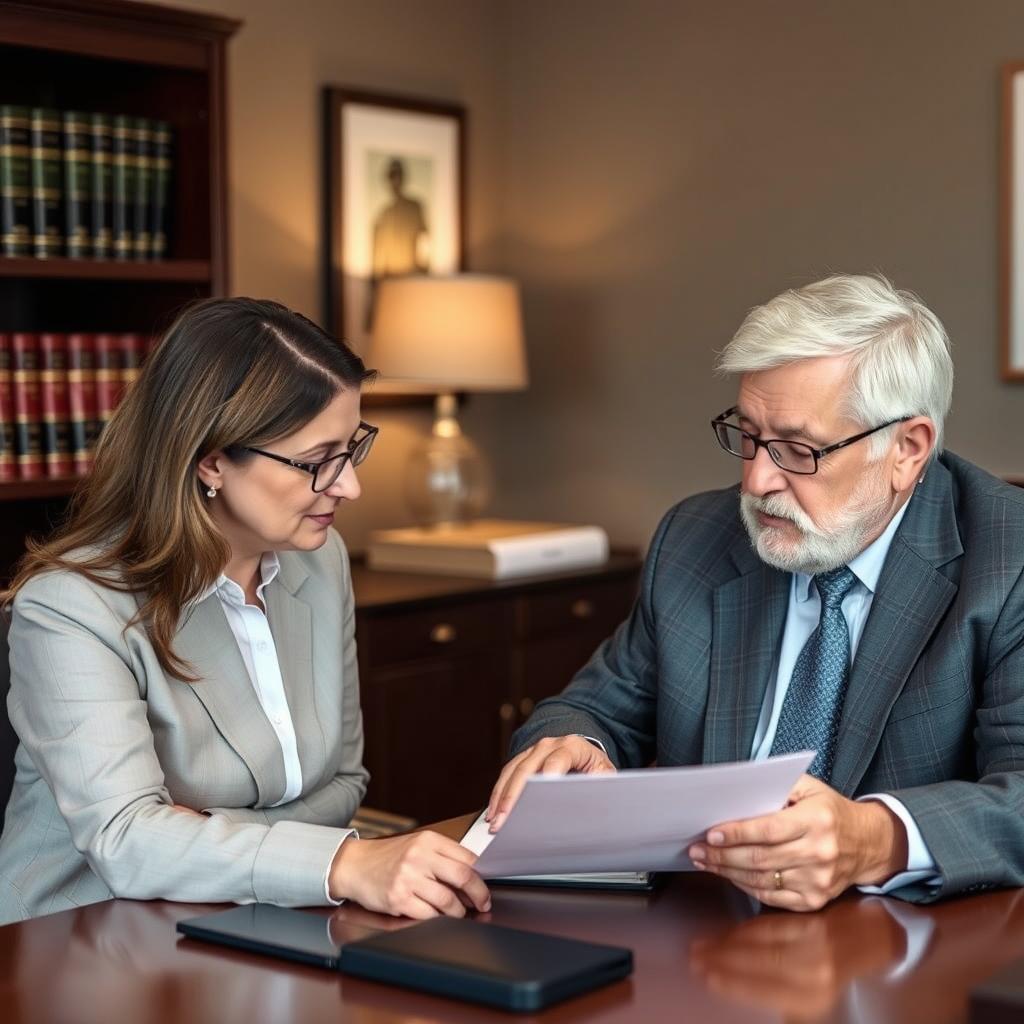
Grandparent Custody Lawyer Fairfax County
Grandparent custody in Fairfax County is governed by Virginia Code § 20-124.2. A Grandparent Custody Lawyer Fairfax County can petition the court if a parent is unfit or the child’s health is at risk. The Fairfax County Juvenile and Domestic Relations District Court handles these petitions. Law Offices Of SRIS, P.C.—Advocacy Without Borders. provides representation for these complex family matters. (Confirmed by SRIS, P.C.)
Statutory Definition of Grandparent Custody in Virginia
Virginia Code § 20-124.1 defines the legal standard for granting custody or visitation to any party, including grandparents. The court’s sole focus must be the child’s best interests. This statute lists ten specific factors judges must consider. These factors include the child’s age, physical and mental condition, and the parent’s role. The relationship between the child and each grandparent is a key factor. The court also considers the child’s reasonable preference if they are of suitable age. The willingness of each grandparent to build a relationship with the parents matters. Any history of family abuse is a critical factor under this code. The statute provides the framework for all custody determinations in Virginia. A Grandparent Custody Lawyer Fairfax County uses this framework to build a case.
Virginia Code § 20-124.2 specifically addresses petitions by persons with a legitimate interest. Grandparents are explicitly included in this category. The law allows a grandparent to file for custody or visitation. The petitioner must prove they have a legitimate interest in the child’s welfare. They must also show that granting the order is in the child’s best interests. This is a rebuttable presumption that favors the fit parent. The grandparent must present clear and convincing evidence to overcome this. The statute does not create an automatic right for grandparents. It establishes a legal pathway for them to seek court intervention. A grandparent custody petition lawyer Fairfax County handles this exact legal standard.
What constitutes a “legitimate interest” for a grandparent under Virginia law?
A legitimate interest exists when a grandparent has an established relationship with the child. This often means regular care, visitation, or financial support. The death or incapacity of a parent can establish this interest. A pattern of denial of visitation by a fit parent may also qualify. The court examines the depth and quality of the grandparent-grandchild bond. Simply being a biological grandparent is not automatically sufficient. The petitioner must demonstrate an active, substantive role in the child’s life. A grandparent visitation rights lawyer Fairfax County gathers evidence to prove this relationship.
How does the court determine the “best interests of the child”?
The court uses the ten factors listed in Virginia Code § 20-124.3. The child’s physical and emotional needs are the primary consideration. The age and developmental stage of the child are heavily weighted. The existing relationship between the child and each parent and grandparent is reviewed. The child’s adjustment to home, school, and community is important. The mental and physical health of all individuals involved is assessed. Any history of family abuse is the most significant negative factor. The court’s goal is to ensure a stable, nurturing environment for the child.
What is the legal difference between custody and visitation for grandparents?
Custody grants a grandparent legal decision-making authority for the child. Visitation only grants scheduled time with the child. A custody order can include physical custody, legal custody, or both. Legal custody involves making major life decisions about health, education, and welfare. Physical custody determines where the child will live. Grandparent visitation is typically a right to spend specific time with the child. It does not confer any decision-making power. Courts are generally more inclined to grant visitation than custody to grandparents. A grandparent custody petition lawyer Fairfax County argues for the appropriate level of involvement.
The Insider Procedural Edge in Fairfax County
Your case will be heard at the Fairfax County Juvenile and Domestic Relations District Court located at 4110 Chain Bridge Road, Fairfax, VA 22030. This court has exclusive original jurisdiction over all family law custody matters. The court’s specific procedures can impact the timeline and strategy of your case. Filing fees and required forms are set by the Virginia Supreme Court. Procedural specifics for Fairfax County are reviewed during a Consultation by appointment at our Fairfax County Location.
The Fairfax County court requires strict adherence to local filing rules. All petitions must be filed in the correct courthouse division. You must serve the child’s parents with the petition and a summons. The court may order a custody evaluation or appoint a Guardian ad Litem. This is an attorney who represents only the child’s interests. The initial hearing is often a preliminary or pendente lite hearing. The judge may issue temporary orders at this stage. A final hearing is scheduled after discovery and evaluations are complete. The entire process can take several months to over a year. Having a lawyer familiar with this court’s docket is critical.
What is the typical timeline for a grandparent custody case in Fairfax County?
A standard contested case can take from nine to eighteen months to resolve. The filing of the petition starts the clock. A temporary hearing may occur within a few weeks if emergency relief is sought. The discovery phase, where evidence is exchanged, can last several months. Mandatory settlement conferences are often scheduled before a final trial date. The court’s crowded docket can cause delays in setting a final hearing. Uncontested cases where all parties agree can be finalized much faster. A Grandparent Custody Lawyer Fairfax County works to manage and expedite this timeline.
What are the court filing fees for a custody petition?
The current filing fee for a custody petition in Virginia is approximately $82. This fee is subject to change by the Virginia Supreme Court. There may be additional fees for serving the other parties with legal papers. If a Guardian ad Litem is appointed, their fees are an extra cost. The court may order one party to pay the other’s fees under certain circumstances. Fee waivers are available for petitioners who meet strict indigency standards. Your lawyer will provide the exact current fee during your case review.
Penalties, Outcomes, and Defense Strategies
The most common outcome is a court order granting specific visitation or custody rights. The court has broad discretion to craft orders that fit the child’s needs. The “penalty” for the parent is the loss of exclusive control over the child. The court can impose a detailed parenting plan outlining schedules and responsibilities. Failure to comply with a court order can result in contempt charges. Contempt penalties include fines or even jail time for willful violations. The primary goal is always the child’s welfare, not punishing a parent.
| Potential Court Order | Typical Outcome | Legal Notes |
|---|---|---|
| Sole Legal Custody to Grandparent | Rare, requires showing of parental unfitness or harm. | Grandparent makes all major decisions for the child. |
| Shared/Joint Legal Custody | Possible if parents are partially unfit but involved. | Grandparent and parent must collaborate on decisions. |
| Primary Physical Custody | Granted if child’s home with parent is deemed unsafe. | Child resides primarily with the grandparent. |
| Visitation Schedule | Most common result for grandparents with a strong bond. | Specific weekends, holidays, and summer time awarded. |
| Supervised Visitation | Ordered if there are concerns about the parent’s conduct. | Visits occur in the presence of a neutral third party. |
[Insider Insight] Fairfax County prosecutors, or in this context, judges and Guardians ad Litem, heavily scrutinize the stability of the grandparent’s home. They prioritize evidence of the child’s current school performance and social connections. Petitions based primarily on disagreement with parental lifestyle choices often fail. The court looks for concrete evidence of actual harm or detriment to the child. Presenting a stable home environment and a detailed care plan is essential.
Can a parent completely block grandparent visitation in Virginia?
A fit parent has a rebuttable presumption to control their child’s associations. However, a grandparent can overcome this with clear and convincing evidence. The evidence must show that denial of visitation harms the child’s best interests. The court will not intervene simply because a parent is uncooperative. There must be a demonstrable negative impact on the child’s welfare. A pattern of alienation or evidence of parental incapacity can support the grandparent’s case. A grandparent visitation rights lawyer Fairfax County presents this evidence effectively.
What are the strongest defenses against a grandparent’s petition?
The strongest defense is demonstrating the parent is fit and the child is thriving. The parent must show the grandparent’s involvement is not in the child’s best interest. Evidence of the grandparent’s instability or conflict with the parent is useful. Proving the petition would disrupt the child’s stable home and school life is key. The parent should document all existing care and the child’s positive adjustment. Allegations of alienation or undue influence by the grandparent can be powerful. The parent’s constitutional right to direct their child’s upbringing is the foundational defense.
Why Hire SRIS, P.C. for Your Fairfax County Custody Matter
Our lead attorney for family law in Fairfax County is Bryan Block. Bryan Block is a former law enforcement officer with direct insight into family court investigations.
Bryan Block
Former Trooper, Virginia
Extensive experience in Fairfax County Juvenile and Domestic Relations Court
Focuses on building evidence-based cases for custody and visitation.
SRIS, P.C. has a dedicated team for family law cases in Northern Virginia. Our Fairfax County Location is staffed with attorneys who know the local judges. We understand the specific procedural nuances of the Fairfax County courthouse. We prepare every case as if it is going to trial. This preparation often leads to favorable settlements without the need for a hearing. Our approach is direct, strategic, and focused on your family’s specific goals. We provide Virginia family law attorneys who are advocates, not just advisors.
The firm has handled numerous family law matters in Fairfax County. We have secured outcomes for grandparents seeking to maintain vital relationships with grandchildren. Our knowledge extends to related areas like criminal defense representation when those issues intersect with custody. We draw on the collective experience of our experienced legal team. Every case is different, but our commitment to aggressive advocacy is constant. We fight for your right to be part of your grandchild’s life.
Localized FAQs for Fairfax County Grandparents
What do I need to file for grandparent custody in Fairfax County?
You must file a “Petition for Custody or Visitation” at the Fairfax County JDR Court. The petition must state your legitimate interest and the child’s best interests. You must serve the child’s parents with the legal papers. Filing requires payment of the current court fee or a fee waiver form.
How long does a grandparent visitation case take in Fairfax?
A contested case typically takes nine to eighteen months from filing to final order. Temporary hearings can occur within weeks if there is an immediate risk. Uncontested cases where all parties agree can be finalized in a few months. The court’s schedule is the biggest variable in the timeline.
Can I get custody if my grandchild’s parent is using drugs?
Evidence of parental substance abuse is a strong factor for grandparent custody. You must prove the drug use creates an actual danger to the child’s welfare. The court may order drug testing or a custody evaluation. Temporary custody is possible while the parent seeks treatment.
What if the parents are divorced and one supports my petition?
Support from one parent strengthens your case significantly. It shows a family consensus that your involvement is beneficial. The opposing parent’s fitness will be the central issue for the court. The judge will still require evidence that your custody or visitation plan serves the child’s best interests.
Do I need a lawyer for grandparent visitation in Virginia?
Yes, you need a lawyer. The legal standards are complex and the presumption favors the parent. Procedural mistakes can delay your case or cause it to be dismissed. A lawyer gathers evidence, presents your case, and cross-examines witnesses effectively.
Proximity, Contact, and Critical Disclaimer
Our Fairfax County Location is strategically positioned to serve clients across the region. We are accessible for meetings and court appearances at the Fairfax County Juvenile and Domestic Relations District Court. Consultation by appointment. Call 703-278-0405. 24/7.
Law Offices Of SRIS, P.C.
—Advocacy Without Borders.
Fairfax County Location
Phone: 703-278-0405
This article provides general information about Virginia law. It does not constitute legal advice for your specific situation. The outcome of any legal matter depends on its unique facts and circumstances. You should consult directly with an attorney regarding your case. Only an attorney can provide legal counsel based on a full review of your details.
Past results do not predict future outcomes.