
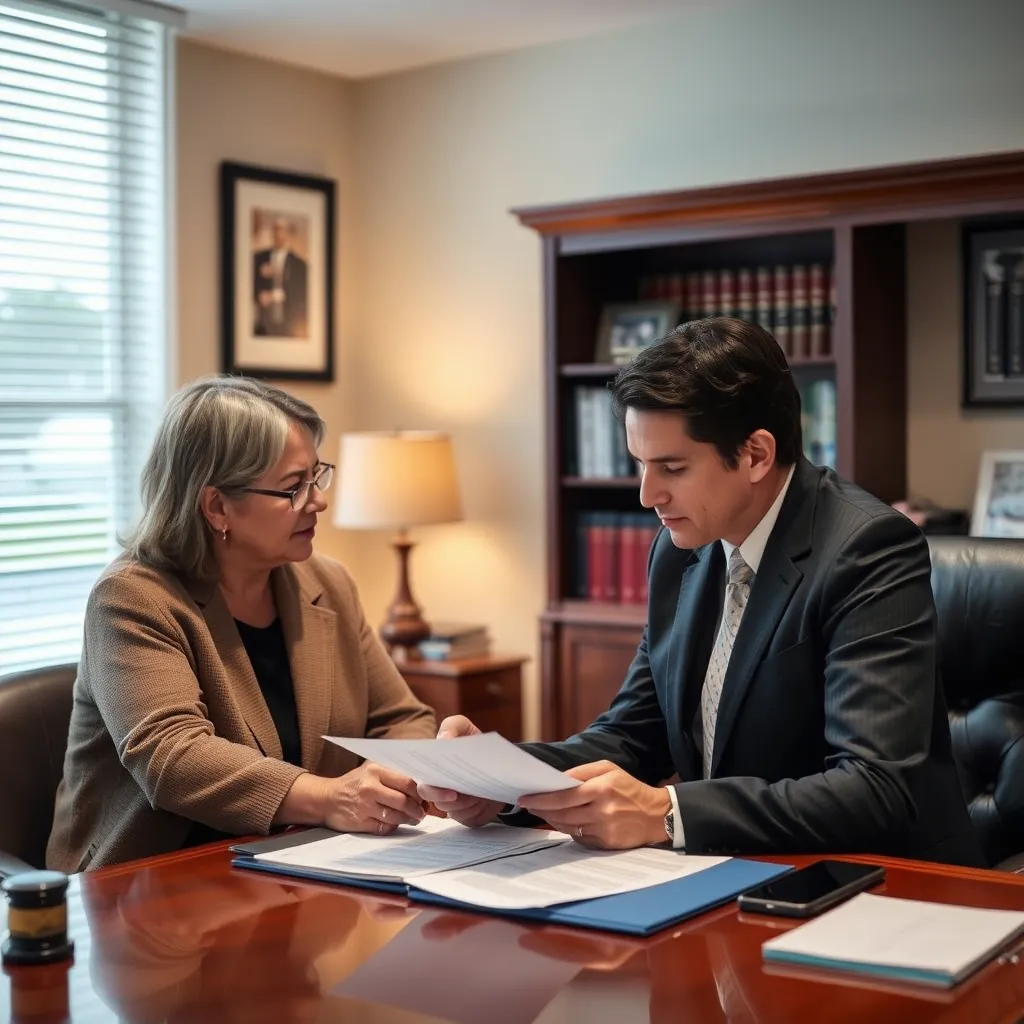
Note: This article is confirmed by Law Offices Of SRIS, P.C.
WRITTEN BY: Mr. Sris
Since 1997, Mr. Sris has led the firm, focusing on the most challenging criminal and family law cases… His background in accounting and information management aids in financial and technology-related cases… Involved in significant legislative changes in Virginia.
Insight: My focus since founding the firm in 1997 has always been directed towards personally handling the most challenging and involved criminal and family law matters our clients face.
Insight: I find my background in accounting and information management provides a unique advantage when handling the intricate financial and technological aspects inherent in many modern legal cases.
Insight: As someone deeply involved in the community, I believe it’s important to not only practice law but also to actively participate in shaping it, which is why I dedicated effort towards amending Virginia Code § 20-107.3 and achieving state recognition for cultural milestones.
Grandparent Custody Lawyer Arlington VA
What is Grandparent Custody
Grandparent custody refers to legal arrangements granting grandparents decision-making authority and physical custody of grandchildren. This legal status becomes necessary when biological parents face challenges preventing proper child care. Virginia statutes provide pathways for grandparents to seek this legal standing through family courts.
The legal process begins with establishing standing to file a custody petition. Grandparents must demonstrate a substantial relationship with the child and show parental unfitness or other compelling circumstances. Documentation of the existing relationship and evidence supporting the need for custody form the foundation of the case.
Legal strategies involve presenting evidence of the child’s current living situation and potential risks. Documentation of parental issues, medical records, school reports, and witness statements help build the case. The court evaluates all evidence to determine what arrangement serves the child’s welfare best.
Virginia courts apply specific legal standards when considering grandparent custody petitions. The primary consideration remains the child’s best interests, evaluated through multiple factors including emotional bonds, stability, and safety. Courts balance grandparents’ rights with parental rights, requiring clear evidence to justify intervention.
Real-Talk Aside: Courts hesitate to separate children from parents without strong evidence. Grandparents must prove current arrangements harm the child’s welfare.
How to Seek Grandparent Custody
The process of seeking grandparent custody starts with understanding Virginia’s legal requirements. Grandparents must first establish they have standing to file a custody petition under state law. This typically requires demonstrating an existing substantial relationship with the child or showing parental unfitness or abandonment.
Initial steps involve gathering documentation about the current living situation. Medical records, school reports, photographs, and communication records help establish the relationship history. Documentation of any parental issues affecting child welfare becomes important evidence for the court’s consideration.
Filing procedures require completing specific legal forms and submitting them to the appropriate family court. The petition must clearly state the requested custody arrangement and provide factual support for the request. Service of process requirements ensure all parties receive proper notification of the legal proceedings.
Court proceedings involve presenting evidence through testimony and documentation. Grandparents may need to testify about their relationship with the child and observations of parental issues. attorney witnesses like psychologists or social workers can provide professional assessments of the child’s situation.
Real-Talk Aside: The legal process demands thorough preparation. Missing documentation or procedural errors can delay or undermine your case.
Can I Get Visitation Rights
Grandparent visitation rights represent a separate legal issue from custody, focusing on access rather than decision-making authority. Virginia law permits grandparents to seek court-ordered visitation when parents deny reasonable access to grandchildren. The legal standards for visitation differ from custody requirements.
To qualify for visitation, grandparents must demonstrate an existing substantial relationship with the child. Courts look for evidence of regular contact, emotional bonding, and meaningful involvement in the child’s life. Documentation of past visits, communication records, and photographs help establish this relationship.
The legal test requires showing that visitation serves the child’s best interests. Grandparents must present evidence that maintaining the relationship benefits the child emotionally, psychologically, or developmentally. Courts may consider attorney testimony about the importance of grandparent relationships for child development.
Legal proceedings involve balancing grandparent rights with parental authority. Virginia courts recognize parental rights to make decisions about their children’s relationships, so grandparents must overcome this presumption. Evidence showing parental decisions harm the child’s welfare can support visitation requests.
Real-Talk Aside: Courts respect parental authority. Grandparents need strong evidence showing visitation denial harms the child, not just their own feelings.
Why Hire Grandparent Custody Attorney Arlington VA
Professional legal representation becomes particularly valuable in grandparent custody matters due to Virginia’s specific legal standards. An experienced attorney understands the nuanced requirements for establishing standing and presenting evidence effectively. Legal professionals help grandparents avoid common procedural errors that could delay or undermine their cases.
Attorneys provide strategic guidance based on case-specific circumstances. They evaluate the strength of evidence, identify potential legal arguments, and develop comprehensive approaches to presenting the case. Professional assessment helps set realistic expectations about possible outcomes and necessary preparations.
Legal representation includes managing all court procedures and documentation requirements. Attorneys prepare and file petitions, handle service of process, and coordinate with court schedules. They also help gather and organize evidence, including obtaining records and coordinating witness testimony when needed.
During court proceedings, attorneys present legal arguments effectively and respond to opposing positions. They understand how to frame evidence in ways that address the court’s primary concern for child welfare. Professional representation helps maintain focus on legal standards rather than emotional aspects of the case.
Real-Talk Aside: Emotional investment can cloud judgment. An attorney provides objective analysis and focuses on legal requirements rather than personal feelings.
FAQ:
1. What legal standards apply to grandparent custody in Virginia?
Virginia requires demonstrating the child’s best interests and parental unfitness or substantial relationship. Courts evaluate multiple factors including safety and emotional bonds.
2. How do I establish standing for a custody petition?
Show an existing substantial relationship with the child or evidence of parental issues affecting welfare. Documentation of regular contact helps establish standing.
3. What evidence helps support a grandparent custody case?
Medical records, school reports, photographs, and witness statements documenting the relationship and current living situation provide important evidence.
4. Can grandparents get visitation without seeking custody?
Yes, Virginia allows separate petitions for visitation rights when parents deny reasonable access to grandchildren under specific conditions.
5. How long does the custody process typically take?
Timelines vary based on court schedules and case challenge. Initial hearings may occur within weeks, but final decisions can take months.
6. What if parents oppose grandparent custody?
The court evaluates all evidence and arguments from both sides. Strong documentation showing child welfare concerns helps overcome parental opposition.
7. Are there alternatives to full custody for grandparents?
Options include visitation rights, temporary custody arrangements, or shared custody agreements depending on specific circumstances and needs.
8. What costs are involved in seeking grandparent custody?
Costs include court filing fees, attorney fees, and potential expenses for attorney witnesses or documentation gathering.
9. Can grandparents seek custody if parents are divorced?
Yes, divorce situations may create circumstances where grandparent custody becomes necessary for child welfare and stability.
10. What happens if custody is granted to grandparents?
Grandparents gain legal decision-making authority and physical custody responsibilities, similar to parental rights and obligations.
11. How does the court determine the child’s best interests?
Courts evaluate factors including emotional bonds, stability, safety, educational needs, and the child’s preferences depending on age and maturity.
12. Can custody arrangements be modified later?
Yes, custody orders can be modified if circumstances change significantly and modification serves the child’s best interests.
Past results do not predict future outcomes