
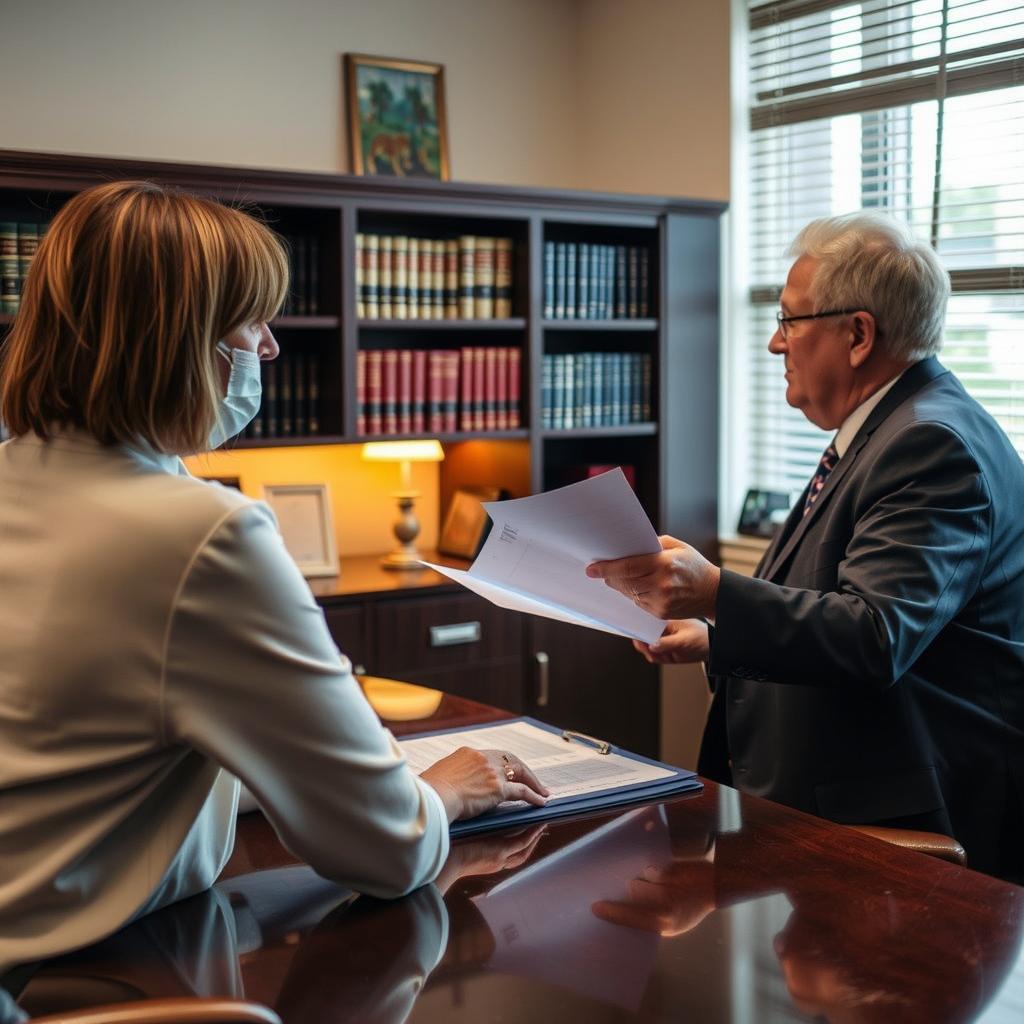
Emergency Guardianship Lawyer Roanoke County, VA
When a family member or loved one faces an urgent incapacity that prevents them from making safe decisions, securing a court‑appointed guardian can feel overwhelming, especially under the immediate pressure of an emergency. Emergency guardianship allows the Roanoke County Circuit Court to appoint a guardian quickly when an individual is at risk of harm because of a sudden inability to manage their personal or financial affairs. Law Offices Of SRIS, P.C. Concentrates its practice on family law matters, including emergency guardianship cases in Roanoke County, Virginia, serving families in Salem, Vinton, Cave Spring, Hollins, Catawba, and the surrounding communities. Whether you are seeking to protect an elderly parent, a disabled adult, or a person who has suffered a sudden medical crisis, Mr. Sris and his Of Counsel team bring extensive experience to guardianship proceedings and work to obtain the legal authority you need to secure the person’s well‑being. Reach Law Offices Of SRIS, P.C. at (888) 437‑7747 to request a consultation. Law Offices Of SRIS, P.C. – Advocacy Without Borders.
What Emergency Guardianship Means in Roanoke County
Emergency guardianship is a legal mechanism that permits the Roanoke County Circuit Court to appoint a guardian on an expedited basis when an adult lacks the capacity to make or communicate responsible decisions about their health, safety, or finances, and an immediate appointment is necessary to prevent substantial harm. Under Virginia Code Title 64.2, specifically Va. Code § 64.2‑2000 et seq., the court may act on a petition for emergency guardianship without the advance notice usually required, if the evidence demonstrates a genuine emergency. The process is designed to protect vulnerable individuals who cannot wait for a standard guardianship hearing—for example, when a person is alone in a hospital without a legally authorized decision‑maker, or when a previously capable adult suddenly becomes incapacitated after an accident, stroke, or acute illness. In Roanoke County, these matters are heard by the Circuit Court, which sits in the Twenty‑third Judicial District at the courthouse located at 305 East Main Street in Salem, Virginia.
Because an emergency guardianship order can curtail an individual’s fundamental rights—including the right to make personal and medical choices—Virginia law requires clear and convincing evidence that the person is incapacitated and that imminent danger exists. The circuit court judge will evaluate the petition, any medical or other professional evidence, and the circumstances that justify an emergency appointment. The order may be limited in duration and scope; it does not replace a permanent guardianship, but instead provides immediate authority to make essential decisions until a full guardianship hearing can be held. Mr. Sris and his Of Counsel have experience helping families in Salem, Vinton, Cave Spring, Hollins, and Catawba navigate Roanoke County’s emergency guardianship procedures, ensuring that petitions are properly supported and that all statutory requirements are met.
How Mr. Sris and His Of Counsel Handle Emergency Guardianship Cases
When a family confronts an emergency that demands immediate guardianship intervention, timing and procedure are both critical. Mr. Sris and his Of Counsel team begin by evaluating the facts: Is there a genuine emergency? What evidence—medical records, physician affidavits, social‑worker reports, or witness statements—can substantiate the incapacity and the risk of harm? Under Virginia law, the petitioner must present a sworn detailed statement of the emergency circumstances, and the court will hold an expedited hearing. The firm works to assemble the necessary documentation and to present a clear, well‑organized petition that satisfies the statutory requirements under the Virginia guardianship statutes. Mr. Sris and his Of Counsel also prepare clients for the type of testimony the court will expect and for the protective measures the judge may impose, such as limiting the guardian’s authority to only those actions necessary to address the emergency.
After the emergency order is issued—if the court finds the evidence sufficient—the guardian receives a commission that authorizes specific decision‑making powers, such as consenting to medical treatment, securing housing, or managing immediate financial obligations. The order is temporary by nature. It remains in effect only until a full guardianship hearing can take place, at which time the court will determine whether a permanent guardian and, where applicable, a conservator for the estate should be appointed. Throughout this period, the firm advises clients on their ongoing reporting duties and helps them transition from the emergency phase to a stable, long‑term guardianship arrangement. Mr. Sris and his Of Counsel emphasize careful compliance with all court orders and with the fiduciary responsibilities that accompany a guardian’s appointment, working to protect both the ward and the guardian’s interests.
About Mr. Sris and His Of Counsel Team
Mr. Sris, Owner and Founder of Law Offices Of SRIS, P.C., founded the firm in 1997 and has been practicing family law for decades. A former prosecutor, Mr. Sris brings an incisive understanding of courtroom procedure and evidence to every guardianship matter, and he has testified before the Virginia House Courts of Justice Committee in support of 2019 HB 635 (chief patron Del. David Bulova). Mr. Sris is admitted to practice in Virginia, Maryland, the District of Columbia, New Jersey, and New York, and he leads a team of experienced Of Counsel attorneys who contribute thorough knowledge across multiple practice areas. Mr. Sris and his Of Counsel bring extensive combined legal experience. Results may vary. Together, they serve clients in the Roanoke County Circuit Court and throughout Virginia.
The firm’s Of Counsel attorneys include lawyers with backgrounds in criminal prosecution, law enforcement, and complex litigation—perspectives that sharpen the analysis of emergency guardianship petitions, where evidentiary challenges and procedural rigor can determine the outcome. While every case is handled collaboratively, Mr. Sris remains actively involved in shaping strategy and overseeing the preparation of filings. Law Offices Of SRIS, P.C. delivers its services from several locations, including a Shenandoah Valley location at 505 N Main St, Suite 103, Woodstock, VA 22664. Roanoke County clients can reach the firm at (888) 437‑7747 to arrange a consultation. All consultations are by appointment.
Frequently Asked Questions
What is an emergency guardianship in Virginia?
An emergency guardianship is a court‑appointed arrangement that gives an adult the immediate legal authority to make personal, medical, or financial decisions for another adult who suffers from a sudden incapacity and faces imminent risk of harm. In Virginia, this process is governed by Va. Code § 64.2‑2000 et seq. Unlike a standard guardianship, an emergency guardianship permits the circuit court to hear the matter quickly, often without the usual advance notice, when the evidence shows an immediate need. The order is temporary and remains in effect only until a full hearing can determine whether a permanent guardianship is warranted. Emergency guardianship is a limited tool, intended to stabilize a crisis and protect the alleged incapacitated person until a more thorough evaluation can occur.
When can the Roanoke County Circuit Court appoint an emergency guardian?
The Roanoke County Circuit Court may appoint an emergency guardian when a petitioner presents clear and convincing evidence that an adult is incapacitated, that an emergency exists, and that the individual’s health or safety will be substantially endangered without immediate action. The court considers medical affidavits, testimony, and any other reliable information that describes the person’s inability to meet essential needs for health, safety, or self‑care. The emergency must be genuine—for example, a hospitalized patient who cannot consent to treatment, or a person who is being financially exploited and cannot manage their own affairs. If the judge finds that a full guardianship hearing would take too long to safeguard the person, an emergency order may issue, often granting limited authority for a defined period.
How is an emergency guardianship different from a standard guardianship in Virginia?
The main difference is that an emergency guardianship is temporary and granted on an accelerated schedule, while a standard guardianship is permanent and follows a full hearing with advance notice to all parties. Emergency guardianship addresses an imminent crisis; standard guardianship follows a thorough evaluation of the alleged incapacitated person’s condition and the need for an ongoing guardian. The emergency order typically lasts only a short time—until the permanent hearing—whereas a standard guardianship continues indefinitely unless the court later modifies or terminates it. Both proceedings are heard in the circuit court, but the evidentiary burden and procedural requirements differ significantly, with the emergency process moving faster but imposing stricter scrutiny.
Do I need a lawyer for an emergency guardianship matter in Roanoke County?
You are not legally required to have an attorney, but emergency guardianship involves substantial legal and procedural complexity, and representation can reduce the risk of a petition being denied or exposing the petitioner to later liability. A lawyer prepares the petition to meet Virginia’s strict statutory criteria, assembles the necessary medical and other evidence, and presents the case at the expedited hearing. Self‑represented petitioners may struggle with the procedural rules or fail to provide the level of proof the court demands, which can delay protection for the vulnerable person. To discuss whether representation is appropriate for your circumstances, contact Law Offices Of SRIS, P.C. at (888) 437‑7747.
What should I expect at the emergency guardianship hearing?
At the hearing, the Roanoke County Circuit Court judge will review the petition, receive testimony and evidence, and decide whether the emergency appointment is justified. The petitioner (or their attorney) presents the evidence demonstrating incapacity and imminent danger. If the alleged incapacitated person is able, they may also be heard. The judge may ask questions to satisfy the legal standards, and the entire proceeding can move quickly because of the emergency nature. If the court grants the order, the appointed guardian receives specific, limited powers, and the order will include a return date for a full guardianship hearing. Mr. Sris and his Of Counsel prepare clients for exactly this process, ensuring all required materials are in order.
What factors does the Roanoke County court consider in emergency guardianship cases?
The court examines the alleged incapacitated person’s functional abilities, the nature and urgency of the risk, the availability of less restrictive alternatives, and the qualifications of the proposed guardian. Evidence may include recent medical evaluations, statements from treating physicians, social‑worker assessments, and affidavits from family members describing the person’s daily functioning. The judge weighs whether the person can, with assistance, make decisions about their health, residence, and finances, and whether the emergency is so compelling that a temporary order cannot wait. The court also considers the suitability of the petitioner to serve as guardian, including their willingness and ability to act in the person’s best interests. Mr. Sris and his Of Counsel focus on presenting a complete, well‑ documented record that addresses each of these factors.
For authoritative legal information, you may consult the Virginia guardianship statutes at the Virginia Code Title 64.2, and refer to the Virginia Judicial System for court resources. Additional information regarding the Roanoke County Circuit Court may be found at its official website.
Attorney advertising. Prior results do not guarantee a similar outcome. Results may vary.
Case results depend on a variety of factors unique to each case.