
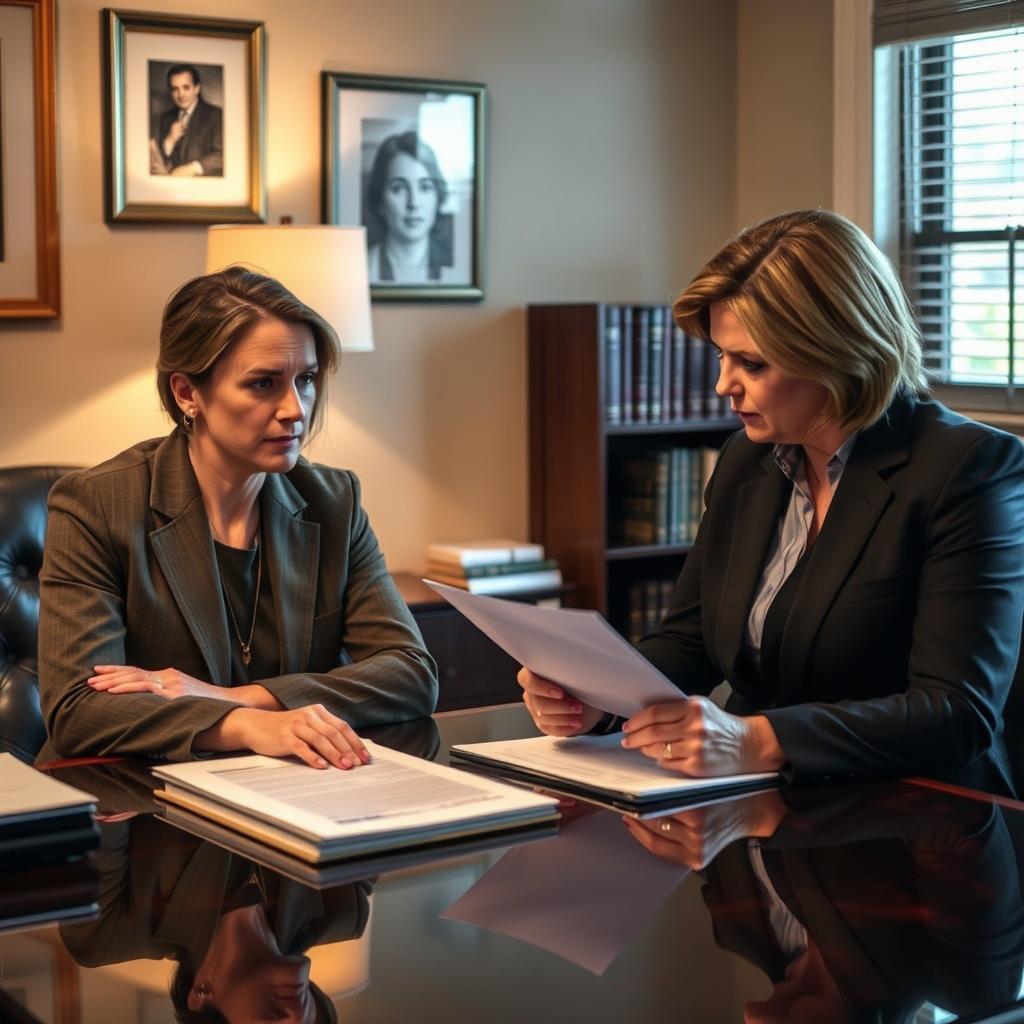
Cruelty Divorce Lawyer Goochland County, VA
Law Offices Of SRIS, P.C. represents spouses in Goochland County who are seeking a divorce on grounds of cruelty, as well as individuals who need to respond to a cruelty allegation filed by the other party. Cruelty is one of the fault-based grounds for divorce in Virginia under Va. Code § 20‑91, and it covers conduct that causes reasonable apprehension of bodily harm or makes continued cohabitation unsafe. A cruelty divorce does not require a separate waiting period before filing, but it does require the moving party to present sufficient evidence in the Goochland County Circuit Court, which has exclusive jurisdiction over divorce matters. Mr. Sris and his legal team bring over 120 years of combined legal experience and a record of 4,739+ documented firm-wide results to cruelty divorce proceedings and work to protect clients’ interests while the matter moves through the court. Results may vary. To request a consultation, call (888) 437‑7747. Law Offices Of SRIS, P.C. – Advocacy Without Borders.
What Cruelty Divorce Means in Goochland County
Goochland County sits west of Richmond along the I‑64 corridor, with communities including Goochland, Crozier, and Oilville. The county is part of the Sixteenth Judicial District, and the Goochland County Circuit Court at 2938 River Road West, Building G, Goochland, VA 23063, is the court where all divorce petitions—including cruelty‑based filings—are heard. The Goochland County Juvenile and Domestic Relations District Court handles standalone custody, visitation, child support, and protective‑order matters that may arise during the case.
Virginia law treats cruelty as a fault ground that does not impose a mandatory separation period before the complaint is filed. To succeed on a cruelty ground, the petitioner must show that the other spouse’s conduct created an objectively reasonable fear of bodily injury or rendered the marital relationship unsafe. The evidence often includes testimony about specific incidents, documented patterns of behavior, medical or law‑enforcement records, and sometimes witness accounts. The court evaluates whether the alleged cruelty rises to the level required under Va. Code § 20‑91, which also governs other fault grounds and no‑fault options. Because cruelty allegations can influence equitable distribution, spousal support, and custody determinations, having an attorney who understands both the factual development and the legal standards is important.
In rural and suburban Goochland County, where residents may know one another through community and civic networks, a cruelty divorce can carry significant personal and reputational consequences. The firm’s practice includes helping clients collect and present evidence in a way that addresses the statutory requirements while respecting privacy concerns. Whether you are the spouse raising a cruelty claim or the spouse facing such an allegation, the case moves forward through the Goochland County Circuit Court, and the outcome can affect property division, support obligations, and parenting arrangements.
How Mr. Sris and His Legal Team Handle Cruelty Divorce Cases
Mr. Sris and his legal team approach each cruelty divorce with an understanding that the core dispute is shaped by the unique facts of the marriage and the evidence available. The firm begins by reviewing the client’s situation—what specific conduct occurred, when it took place, and what documentation or witnesses may be available. If the client is the party alleging cruelty, the team works to frame the complaint in a way that meets the legal standard while presenting a clear picture of the marriage’s history. If the client is responding to a cruelty allegation, the focus shifts to examining the evidence the other side intends to offer and identifying any inconsistencies or procedural gaps.
Once a complaint is filed in the Goochland County Circuit Court, the court may address temporary issues such as spousal support, use of the family residence, and child custody through pendente lite proceedings. Mr. Sris and his legal team attend these hearings prepared to advocate for arrangements that protect the client’s immediate needs. Throughout the case, the firm encourages resolution through a property settlement agreement when that is in the client’s interest, but it does not hesitate to go to trial if necessary. Because cruelty allegations are fact‑intensive, the preparation involves gathering relevant records, interviewing potential witnesses, and sometimes working with attorneys to evaluate the impact of the conduct on the family. The firm’s goal is to guide the client to a resolution that addresses both the divorce itself and the related financial and parental issues.
About Mr. Sris and His Legal Team
Mr. Sris, Owner and Founder of Law Offices Of SRIS, P.C., founded the firm in 1997. A former prosecutor, he is admitted in Virginia, Maryland, the District of Columbia, New Jersey, and New York. Mr. Sris testified before the Virginia House Courts of Justice Committee in support of 2019 HB 635 (chief patron Del. David Bulova), the legislation that amended Va. Code § 20‑107.3, the state’s equitable distribution statute. His familiarity with how trial courts apply the equitable‑distribution factors is especially relevant in cruelty divorces, where fault can influence the division of property and an award of spousal support.
Mr. Sris is supported by a legal team that brings over 120 years of combined legal experience and a record of 4,739+ documented firm-wide results. Results may vary. The firm’s collective experience allows it to handle cruelty divorce matters from initial consultation through trial, focusing on the intersection of fault grounds, property division, and custody issues.
Frequently Asked Questions About Cruelty Divorce in Goochland County
What is a cruelty divorce in Virginia?
A cruelty divorce is a fault‑based divorce under Va. Code § 20‑91 that allows a spouse to end the marriage without a waiting period when the other spouse’s conduct caused reasonable apprehension of bodily harm or made living together unsafe. Unlike a no‑fault divorce, a cruelty divorce requires the moving party to present evidence that the other spouse’s behavior rose to the level of legal cruelty. Cases are heard in the Goochland County Circuit Court, which determines whether the evidence meets the statutory standard. If successful, the divorce can be granted without the separation period otherwise required.
What evidence is needed to prove cruelty in a Virginia divorce?
Evidence in a cruelty divorce typically includes sworn testimony from the party alleging cruelty, corroborating testimony from third‑party witnesses, medical or law‑enforcement records, and any documentation that shows a pattern of harmful or threatening conduct. The court examines whether the actions created an objectively reasonable fear of injury. Because each case depends on specific facts, an attorney can help a client identify and preserve the most relevant evidence. The firm’s experience includes evaluating incident reports, communications, and other materials that may support or rebut a cruelty claim.
Do I need a lawyer for a cruelty divorce in Goochland County?
You are not legally required to hire a lawyer, but because a cruelty divorce involves proving fault and can affect property division, spousal support, and child custody, having experienced legal guidance is strongly advisable. The Goochland County Circuit Court expects parties to comply with procedural rules, including proper service and scheduling. Mistakes in presenting evidence or framing the complaint can weaken a case. Mr. Sris and his legal team have handled fault‑based divorces across Virginia and can help you understand your options.
How can a cruelty allegation affect custody or support in Virginia?
A finding of cruelty can influence the court’s decisions on spousal support and, in some cases, child custody, though the trusted‑interests‑of‑the‑child standard under Va. Code § 20‑124.3 remains the primary custody consideration. The court may consider whether the conduct that constitutes cruelty also impacts parenting ability or creates an unsafe environment for the child. Additionally, under Va. Code § 20‑107.1, fault—including cruelty—is one of the factors the court weighs when determining spousal support. An attorney can help frame the evidence in a way that supports your position on these related issues.
How long does a cruelty divorce take in Goochland County?
The timeline for a cruelty divorce varies depending on the complexity of the case, the court’s calendar, and whether the parties reach a settlement. A cruelty divorce does not require a separation period, so the case can move directly to litigation or negotiation. However, if the parties disagree on property division, support, or custody, the matter may take longer. The Goochland County Circuit Court schedules hearings based on its docket, and pendente lite proceedings can occur earlier to address immediate needs. Contacting the firm early can help you understand the likely path for your situation.
Can a cruelty divorce be resolved without a trial in Virginia?
Yes, many cruelty divorces are resolved through a property settlement agreement and a consent decree before trial, saving time and reducing emotional strain. If both parties can agree on all issues—including grounds, distribution of property, support, and custody—the court can approve the agreement. Even when fault is alleged, parties may choose to settle to avoid the expense and public nature of a contested hearing. Mr. Sris and his legal team explore settlement options when they are in the client’s interest, but the firm is prepared to litigate when necessary.
Explore related resources: Fairfax County Family Law Lawyer · Prince William County Family Law Lawyer · Manassas Family Law Lawyer
Additional authority: Virginia Code Title 20 — Domestic Relations · Goochland County Circuit Court · Virginia Judicial System
Results may vary. Attorney advertising. Prior results do not guarantee a similar outcome. Case results depend on a variety of factors unique to each case.