
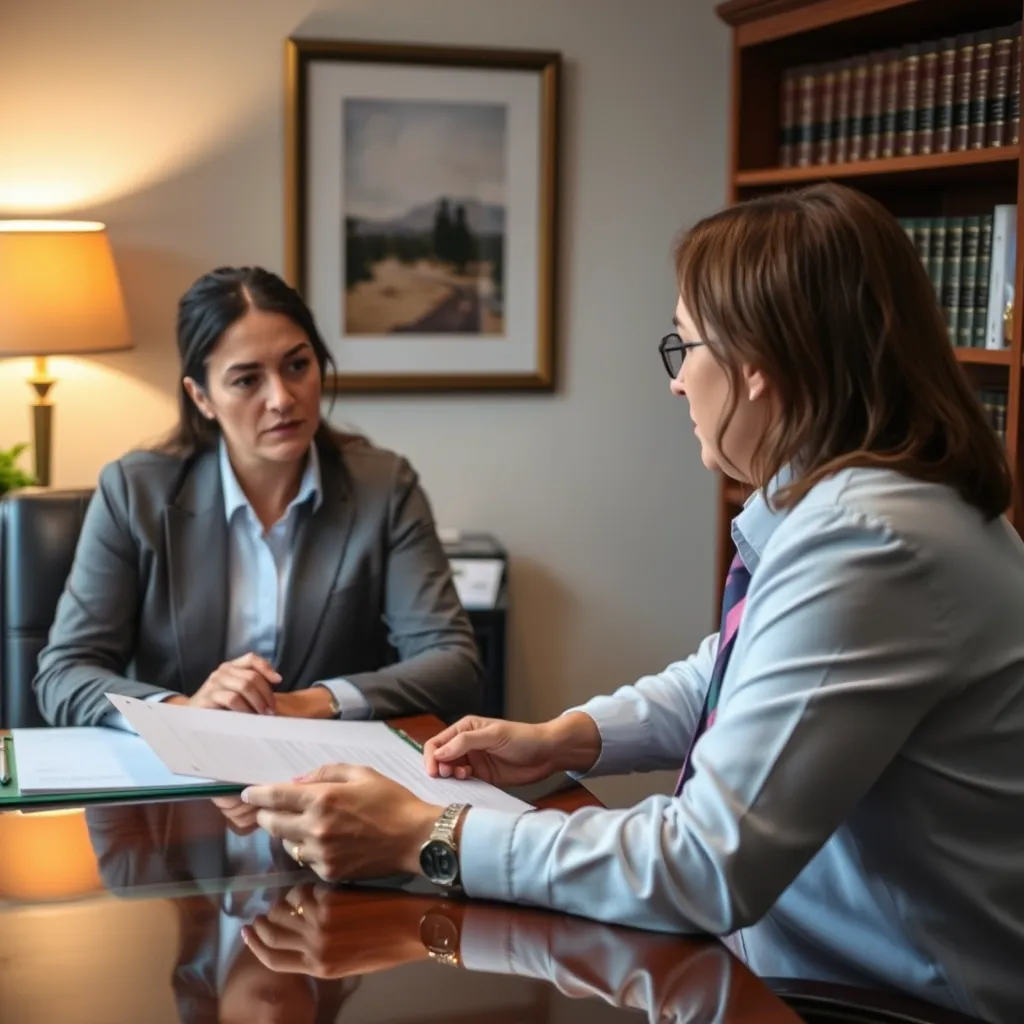
Child Guardianship Lawyer Poquoson, VA
Child guardianship in Poquoson, Virginia involves a court-appointed adult who assumes legal responsibility for the child’s care, custody, and property when the parents are unable or unwilling to do so. This legal mechanism, governed by Va. Code § 64.2-2000 et seq., can be crucial for grandparents, other relatives, or concerned adults seeking to provide a stable home for a child. In Poquoson, petitions for guardianship are typically filed in the Poquoson Juvenile and Domestic Relations District Court or, when connected to a divorce or custody dispute, in the Poquoson Circuit Court, both located at 500 City Hall Avenue. The court will evaluate the petition based on the child’s best interests, considering statutory factors that the judge uses to determine the suitability of the proposed guardian. Law Offices Of SRIS, P.C., founded in 1997, represents clients in child guardianship matters throughout the Commonwealth. Mr. Sris, a former prosecutor and Owner and Founder of the firm, leads a multi-state team of Of Counsel attorneys who appear regularly in Virginia courts, including those in Poquoson. If you are considering seeking or contesting a child guardianship, call (888) 437-7747 to schedule a consultation at our Richmond location. Consultations are by appointment only. Law Offices Of SRIS, P.C. – Advocacy Without Borders.
What Child Guardianship Means in Poquoson, Virginia
Child guardianship in Virginia is a formal, court‑ordered relationship that gives an adult the legal authority to make decisions for a minor child. Unlike custody, which often divides parental rights and responsibilities between parents, guardianship typically vests broad authority in one person when the parents are deceased, incapacitated, or otherwise unable to care for the child. The Poquoson courts apply the Virginia Uniform Guardianship and Protective Proceedings Act, set out in Title 64.2 of the Virginia Code. A guardianship petition may be filed as a standalone matter in the Poquoson Juvenile and Domestic Relations District Court, which handles family‑related matters including custody, visitation, and support. If the child’s need for a guardian arises in the context of a divorce or equitable distribution case, the Poquoson Circuit Court may also issue guardianship orders.
Before appointing a guardian, the court examines the petition, any parental consents or objections, and the home environment of the proposed guardian. The judge must find clear and convincing evidence that the guardianship serves the child’s best interests. Factors the court may weigh include the child’s relationship with the proposed guardian, the child’s age and needs, the stability of the guardian’s home, and the ability to meet the child’s educational and medical requirements. Poquoson is a close‑knit waterfront community on the Chesapeake Bay, and local family‑law practitioners understand how the courts there balance legal standards with the practical realities facing families in this area. Because many guardianship cases involve relatives stepping forward — including grandparents, aunts, or uncles — the court often focuses heavily on preserving family bonds while ensuring the child’s safety and well‑being.
Once appointed, a guardian has ongoing responsibilities that may include filing annual reports with the court and managing any assets the child receives. The court retains jurisdiction to modify or terminate the guardianship if circumstances change. Because of these continuing obligations, having an attorney who understands the procedural and reporting requirements can help a guardian avoid unnecessary court involvement later.
How Mr. Sris and His Of Counsel Handle Child Guardianship Cases
Mr. Sris and his Of Counsel team bring significant experience to family‑law matters, including child guardianship proceedings in Poquoson and throughout Virginia. Their approach centers on careful preparation and clear communication. At the outset, the attorney meets with the client to understand the family situation, identify the goals of the guardianship, and explain the legal standards that apply under Virginia law. The team then drafts and files the petition, ensuring it includes all required information — the relationship to the child, the reasons the parents cannot care for the child, and the guardian’s qualifications — and assembles supporting evidence such as background checks, financial disclosures, and witness statements.
Before the hearing, the attorney prepares the client and any witnesses to testify about the home environment and the child’s needs. When all parties agree and the petition is unopposed, the process can be straightforward; when a parent contests the guardianship or raises objections, the firm’s courtroom experience becomes essential. Mr. Sris, a former prosecutor, is familiar with cross‑examination and evidentiary rules, and his Of Counsel attorneys collectively bring experience in family‑law litigation. The firm does not promise a particular outcome — every case is fact‑specific and results vary — but they work methodically to present a persuasive case to the judge.
After the guardianship order is entered, the team guides the guardian through any post‑appointment duties, such as filing annual accountings or seeking modifications if the child’s circumstances change. The firm’s multi‑state presence also helps families whose guardianship matters may touch other jurisdictions, though primary representation focuses on Virginia law and the Poquoson court system.
About Mr. Sris and His Of Counsel Team
Mr. Sris is the Owner and Founder of Law Offices Of SRIS, P.C., which has served clients since 1997. A former prosecutor, he brings courtroom experience to family‑law matters and handles a limited number of cases personally, ensuring he can devote careful attention to each client. Mr. Sris is licensed to practice in Virginia, Maryland, the District of Columbia, New Jersey, and New York, giving the firm the ability to assist clients whose family law needs cross state lines. He testified before the Virginia House Courts of Justice Committee in support of 2019 HB 635 (chief patron Del. David Bulova), addressing a procedural question related to family‑law equitable distribution, though his practice extends broadly across family law, including child guardianship.
Mr. Sris leads a team of Of Counsel attorneys who concentrate in family law and related practice areas. Each Of Counsel attorney brings unique experience — some have backgrounds in child welfare, others have extensive trial practice — but all are engaged through the firm on a non‑employee basis. Together, they provide a breadth of knowledge that serves families in Poquoson and across Virginia. The firm’s Richmond location at 7400 Beaufont Springs Drive, Suite 300, Room 395, Richmond, VA 23225, is available for consultations by appointment, and the team is reachable at (888) 437-7747.
Frequently Asked Questions
What is child guardianship in Virginia?
Child guardianship in Virginia is a court‑ordered arrangement in which a responsible adult assumes legal responsibility for the child’s care, custody, and property when the child’s parents are unable or unwilling to care for the child. Under Va. Code § 64.2‑2000 et seq., the guardian may make decisions about the child’s education, healthcare, and daily life, and may also manage any assets the child owns. Guardianship is generally intended to be a stable, long‑term solution, and the court retains oversight to ensure the child’s best interests are protected.
Who can file for child guardianship in Poquoson, Virginia?
Any adult with a legitimate interest in the child’s welfare — such as a grandparent, aunt, uncle, or other close relative — may petition the Poquoson Juvenile and Domestic Relations District Court for guardianship. In some cases, a parent may consent to the guardianship, making the process smoother. If the parents are deceased, incapacitated, or found to be unfit, the court may appoint a guardian over their objection, but the petitioner must demonstrate that guardianship serves the child’s best interests.
What factors does the court consider when deciding a guardianship case?
Virginia courts focus on the child’s best interests, evaluating the proposed guardian’s relationship with the child, the child’s physical and emotional needs, the stability of the guardian’s home, and any history of abuse, neglect, or abandonment. The judge looks at whether the guardian can provide for the child’s education, medical care, and general welfare. The court also considers the wishes of the child if the child is of sufficient age and maturity to express a reasonable preference.
How does child guardianship differ from child custody?
Guardianship is typically a more permanent arrangement than custody and may give the guardian broader authority over the child’s property and long‑term decisions. Custody orders, by contrast, often specify parenting time schedules and allocate decision‑making rights between two parents. While custody can be modified as circumstances change, guardianship often continues until the child reaches age 18 or until a court terminates the arrangement.
How long does a child guardianship case take in Poquoson?
The duration of a child guardianship case depends on whether the petition is contested, the court’s schedule, and the complexity of the issues. An uncontested guardianship where all parties consent can move through the Poquoson Juvenile and Domestic Relations District Court relatively quickly. When a parent objects or other legal hurdles arise, the case may require multiple hearings and take considerably longer. The court sets its own calendar, and there is no fixed timeline.
Do I need a lawyer for a child guardianship matter in Poquoson?
You are not legally required to have an attorney to petition for guardianship, but experienced legal guidance can help ensure the paperwork is accurate, the evidence is properly presented, and your rights are protected throughout the process. An attorney familiar with the Poquoson courts can anticipate procedural requirements, coordinate with social services if needed, and advocate effectively for the child’s best interests. To discuss your specific situation, call (888) 437-7747 to schedule a consultation.
Related Family Law Services Near Poquoson
Fairfax County Family Law Lawyer ·
Prince William County Family Law Lawyer ·
Manassas Family Law Attorney
Official Virginia Resources
Virginia Code Title 64.2, Chapter 20 — Guardianship and Conservatorship ·
Poquoson Combined Courts ·
Virginia Courts System
Attorney advertising. Prior results do not guarantee a similar outcome. Results may vary.
Case results depend on a variety of factors unique to each case.