
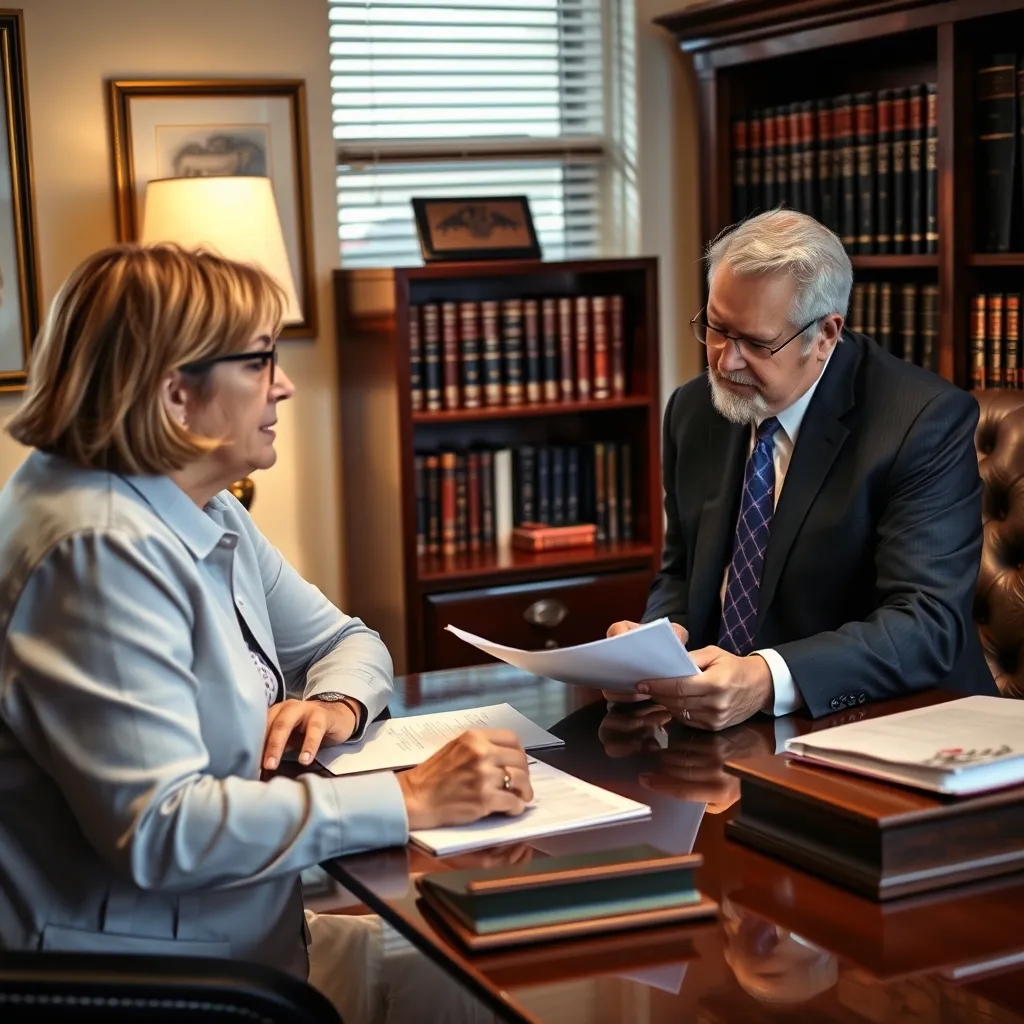
Catholic Annulment Lawyer Poquoson, VA
For many individuals in Poquoson and the surrounding Hampton Roads region, a Catholic annulment is a significant personal and legal matter. While the Church’s annulment process is separate from the civil court system, civil annulment under Virginia law can serve as a foundational step—or a parallel proceeding—for those seeking to resolve a marriage’s legal status. At Law Offices Of SRIS, P.C., Mr. Sris and his Of Counsel represent clients in Poquoson Circuit Court on civil annulment petitions, assisting with the documentation and legal framework that may also support a subsequent Catholic annulment. Reach our firm at (888) 437-7747 to schedule a consultation. Law Offices Of SRIS, P.C. – Advocacy Without Borders.
Understanding Catholic Annulment in Poquoson, Virginia
A Catholic annulment (a decree of nullity) is a determination by a Church tribunal that a sacramental marriage never validly existed. A civil annulment in Virginia is a separate legal proceeding that declares a marriage void or voidable under state law. These two processes are distinct, but they often intersect. A civil annulment can provide a legal record that a marriage lacked validity from the start—a record the Catholic Church may request. The Virginia statute governing civil annulments is Va. Code § 20-89.1, which lists the grounds on which a marriage may be annulled, including bigamy, incest, impotence, fraud, duress, or lack of capacity to consent.
Poquoson is an independent city located on the Chesapeake Bay, part of the Eighth Judicial District of Virginia. Civil annulment cases are filed in the Poquoson Circuit Court at 500 City Hall Avenue, Poquoson, VA 23662. While Poquoson’s court handles all divorce and equitable distribution matters, it also adjudicates annulment petitions. The court’s docket and local rules govern the procedural timeline, and every case is unique. Working with an attorney familiar with both the civil annulment requirements and the Catholic annulment context can help manage expectations and document collection.
How Mr. Sris and the Firm’s Of Counsel Attorneys Handle Annulment Cases
The firm’s approach to a civil annulment matter begins with a careful evaluation of the marriage’s circumstances under Va. Code § 20-89.1. Mr. Sris and the firm’s Of Counsel attorneys work with clients to gather evidence—marriage certificates, witness statements, medical records—that supports a statutory ground. Because annulment petitions are often uncontested, they may be resolved through affidavit and hearing, but if the other spouse objects, the matter can proceed to trial.
For clients who also seek a Catholic annulment, the firm explains the documentation the Church tribunal typically requires and helps organize the civil annulment decree and supporting materials. The firm does not represent clients before Church tribunals—only before Virginia courts—but a well-prepared civil case can strengthen the Chancery office’s review. The timeline depends on court scheduling and the specifics of the petition; every matter receives individual case review.
About Mr. Sris and the Firm’s Of Counsel Attorneys
Mr. Sris, Owner and Founder of Law Offices Of SRIS, P.C., has practiced law since 1997. A former prosecutor, he brings an analytical, evidence-focused approach to family law matters, including civil annulments. Mr. Sris is admitted to practice in Virginia, Maryland, the District of Columbia, New Jersey, and New York.
The firm’s Of Counsel attorneys contribute extensive combined legal experience in family law, offering additional perspective on document preparation and court procedure. Every attorney who works on a Poquoson case is familiar with the Poquoson Circuit Court’s filing practices and the Eighth Judicial District’s expectations. Mr. Sris testified before the Virginia House Courts of Justice Committee in support of 2019 HB 635 (chief patron Del. David Bulova), a bill that addressed equitable distribution provisions—experience that underscores the firm’s commitment to Virginia family law.
Frequently Asked Questions
What is the difference between a Catholic annulment and a civil annulment in Virginia?
A Catholic annulment is a Church declaration that a marriage was sacramentally invalid, while a civil annulment is a legal ruling by a Virginia court that a marriage is void or voidable under state law. A civil annulment ends the marriage legally and can affect property division, spousal support, and the legitimacy of children. A Catholic annulment affects one’s standing within the Church. Obtaining a civil annulment may be a prerequisite or a helpful piece of evidence for a Catholic annulment application, but the Church tribunal makes an independent determination under canon law.
What are the grounds for a civil annulment in Virginia?
Under Va. Code § 20-89.1, a marriage may be annulled if it is void (bigamy, incest) or voidable (lack of capacity to consent, fraud, duress, impotence, or other reasons). Each ground requires specific proof. For example, a marriage barred by a prior existing marriage is void from the start and can be annulled without a waiting period. Fraud in the inducement—such as concealing an intent not to have children—can also support annulment. Because the statute does not list every possible scenario, an experienced family lawyer can evaluate whether a given set of facts meets the statutory requirements.
Do I need a lawyer to file for an annulment in Poquoson?
While you are not required to have an attorney, filing for an annulment in Poquoson Circuit Court involves legal pleadings, evidence rules, and court procedures that are most effectively handled by an experienced family law practitioner. A lawyer can help you identify the correct ground, prepare the complaint, and present evidence. If the other spouse contests the petition, representation becomes especially important. The firm’s familiarity with the Poquoson Circuit Court’s calendar and the local judge’s expectations can make the process smoother.
How long does a civil annulment take in Poquoson, Virginia?
The time to complete a civil annulment in Poquoson depends on whether the petition is contested, the court’s schedule, and the complexity of the evidence. An uncontested annulment where both spouses agree and the grounds are clear may be resolved more quickly. A contested case that requires a trial will take longer. Because every case is different, the firm discusses realistic timeframes during the consultation. There is no statutory minimum separation period for an annulment, unlike for divorce.
Can a civil annulment affect child custody or support?
Yes, a Virginia court can address custody, visitation, and child support in an annulment proceeding, just as in a divorce. If children were born of the marriage, the court applies the trusted-interests-of-the-child standard under Va. Code § 20-124.3 to determine custody. Child support is calculated using the state guidelines. The court may also enter a pendente lite order for temporary support while the annulment is pending. These matters are heard in the Poquoson Circuit Court.
Will a Virginia civil annulment guarantee a Catholic annulment?
No. A civil annulment is a legal decision; a Catholic annulment is an ecclesiastical decision based on canon law. A civil annulment may provide helpful documentation, but the Church tribunal evaluates the case independently. However, many diocesan marriage tribunals request the civil annulment decree and the court’s findings. Mr. Sris and the firm’s Of Counsel can advise on presenting your civil case in a manner that may support the Church’s review, but ultimate authority rests with the tribunal.
What should I bring to an initial consultation about an annulment?
Bring your marriage certificate, any prior divorce or annulment decrees, and any documents supporting the ground for annulment—such as medical records, letters, or witness contact information. If you are seeking a Catholic annulment as well, bring your parish registration information and any communication from the diocese. The firm can then evaluate the civil case and discuss the timeline and next steps. Our firm does not guarantee a particular outcome; Results may vary. based on the facts.
How does the firm handle annulment cases in Poquoson specifically?
The firm prepares all pleadings in accordance with the Poquoson Circuit Court’s filing practices and appears at 500 City Hall Avenue for hearings. We understand that the Eighth Judicial District may have local procedures for setting annulment hearings and serving process. Mr. Sris and the firm’s Of Counsel attorneys aim to streamline the process by ensuring that the complaint and supporting affidavits are properly drafted. For clients handling a Catholic annulment concurrently, we coordinate document delivery to the diocese or the Chancery office as permitted.
Are there any residency requirements for an annulment in Virginia?
Yes, at least one party must have been a bona fide resident and domiciliary of Virginia for at least six months before filing (Va. Code § 20-97). This requirement applies to annulment petitions as well as divorce complaints. The Poquoson Circuit Court will ask about residency during the initial hearing. If the respondent lives outside Virginia, service of process may be more involved, and the firm can advise on the appropriate methods.
How can I reach Law Offices Of SRIS, P.C. to discuss my case?
You can schedule a consultation by calling (888) 437-7747. The firm’s Richmond Location serves clients at the Poquoson courts. Our team can be reached during business hours, and consultations are by appointment only.
Supporting Your Path Forward
The intersection of civil law and religious practice can feel overwhelming. Whether you need a civil annulment alone or to lay groundwork for a Catholic annulment, the firm’s experience in Poquoson family law can help you move forward with clarity. Every matter is handled with attention to your specific grounds and the evidence required. To request a consultation, reach Mr. Sris and the firm’s Of Counsel attorneys at (888) 437-7747. Results may vary.
Related Family Law Services:
Family Law Lawyer Fairfax County |
Family Law Lawyer Prince William County |
Family Law Lawyer Manassas
Attorney advertising. Prior results do not guarantee a similar outcome.
Results may vary.
Case results depend on a variety of factors unique to each case.