
Note: This article is confirmed by Law Offices Of SRIS, P.C.
WRITTEN BY: Mr. Sris
Since 1997, Mr. Sris has led the firm, focusing on the most challenging criminal and family law cases. His background in accounting and information management aids in financial and technology-related cases. Involved in significant legislative changes in Virginia. He is a member of the Virginia State Bar, Maryland State Bar, District of Columbia Bar, New Jersey State Bar Association, and New York State Bar Association.
Catholic Annulment Lawyer Fauquier VA
What is Catholic Annulment
A Catholic annulment, formally called a declaration of nullity, examines whether a marriage met the requirements for a sacramental union under church law. The church tribunal investigates whether essential elements were present when the marriage began. This includes examining consent, understanding of marriage commitments, and psychological capacity. Unlike civil divorce which ends a valid marriage, an annulment determines the marriage was never sacramentally valid.
The process begins with filing a petition with the appropriate diocesan tribunal. This requires detailed information about both parties, marriage date, and grounds for seeking annulment. Documentation includes marriage certificates, baptismal records, and statements from witnesses. The tribunal appoints an advocate to present the case and a defender of the bond to argue for marriage validity. Both parties have rights to participate in the process.
Common grounds for annulment include lack of due discretion, psychological incapacity, or defective consent. Lack of due discretion means one or both parties lacked sufficient understanding of marriage commitments. Psychological incapacity refers to conditions preventing fulfillment of essential marital obligations. Defective consent occurs when consent was given under force, fear, or deception. Each ground requires specific evidence and documentation.
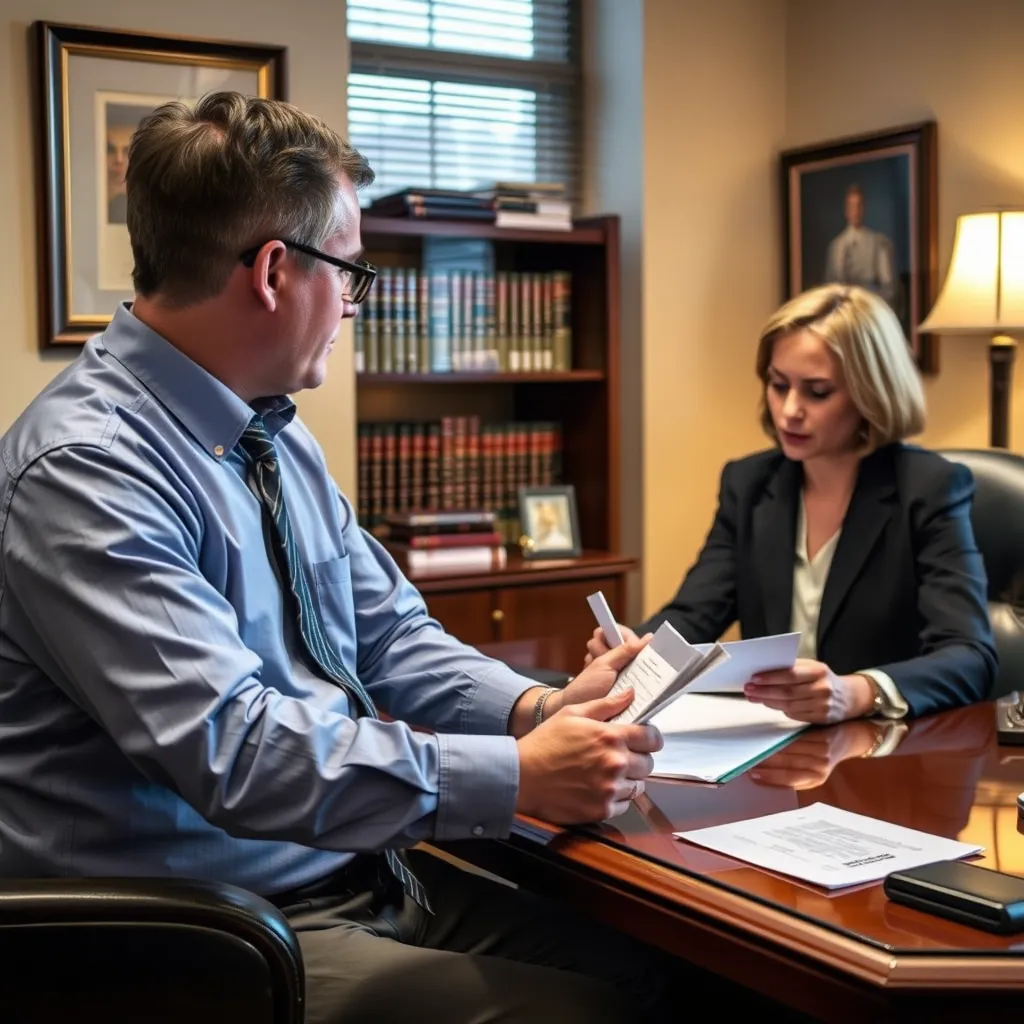
Church annulment attorneys in Fauquier VA help clients understand canonical requirements and prepare thorough cases. They assist with gathering witness statements, psychological evaluations when needed, and organizing documentation. Professional guidance ensures petitions meet tribunal standards and address all necessary elements. Proper preparation increases the likelihood of tribunal acceptance and thorough case review.
How to Obtain Religious Annulment
The religious annulment process follows established church procedures that differ from civil court systems. First, identify the proper diocesan tribunal with jurisdiction. This is typically where either party resides, where the marriage occurred, or where most evidence is located. Contact the tribunal office to obtain necessary forms and understand local requirements. Each diocese may have slightly different procedures or documentation needs.
Complete the formal petition with detailed information about the marriage and grounds for annulment. Include full names, addresses, marriage date and location, and children information. Clearly state the grounds being claimed with supporting facts. Submit required documents including marriage certificate, baptismal records for Catholic parties, and civil divorce decree if obtained. Some tribunals require additional documentation like pre-marriage preparation records.
Gather witness statements from people who knew both parties before and during the marriage. Witnesses should include family members, friends, or counselors who can provide relevant information. Psychological evaluations may be needed when claiming psychological incapacity. These evaluations must be conducted by qualified professionals familiar with canonical requirements. Organize all evidence systematically to support the claimed grounds.
Participate in the tribunal process which includes interviews, testimony, and review periods. The petitioner may need to provide additional information or clarification. The respondent has rights to participate and present their perspective. The tribunal makes its decision based on evidence and church law. The process typically takes several months to over a year depending on case challenge and tribunal workload.
Can I Get Church Annulment After Civil Divorce
Church annulment proceedings are completely separate from civil divorce processes. A civil divorce deals with legal termination of marriage under state law, while church annulment examines whether the marriage was sacramentally valid from the beginning. Having obtained a civil divorce does not prevent seeking a church annulment, nor does it guarantee annulment will be granted. The church tribunal makes independent determinations based on canonical law.
The civil divorce decree can actually provide useful information for the annulment process. It may contain findings about marriage circumstances that support annulment grounds. However, the church tribunal conducts its own investigation and reaches its own conclusions. The fact that a civil court granted divorce does not influence the church’s decision about sacramental validity. Each system operates under different legal standards and purposes.
Timing considerations exist for practical reasons. Some individuals wait until after civil divorce to begin annulment proceedings to avoid overlapping legal processes. Others pursue both simultaneously if circumstances allow. There’s no church requirement to complete civil divorce first, though some tribunals prefer to see the civil decree as part of documentation. The key factor is having sufficient evidence to support annulment grounds regardless of civil proceedings status.
Church annulment attorneys in Fauquier VA help clients understand how civil divorce interacts with church processes. They assist in gathering relevant civil court documents and explaining their significance to church tribunals. Professional guidance ensures clients present their cases effectively while managing both legal and canonical requirements. Proper coordination between civil and church proceedings can streamline the overall process.
Why Hire Legal Help for Annulment
Professional legal assistance provides important advantages in annulment proceedings. Lawyers familiar with canonical law understand what evidence tribunals require and how to present it effectively. They help identify appropriate grounds based on specific marriage circumstances. This professional insight ensures petitions address all necessary elements from the beginning, reducing the likelihood of requests for additional information or clarification delays.
Legal professionals assist with gathering and organizing comprehensive documentation. This includes obtaining official records, coordinating witness statements, and ensuring proper formatting for tribunal submission. They help clients understand what information witnesses should provide and how to obtain relevant documents from various sources. Organized, complete submissions demonstrate seriousness and thoroughness to tribunal officials.
Lawyers provide guidance on tribunal procedures and timelines. They explain what to expect during interviews, testimony, and review periods. This preparation helps clients participate effectively in the process. Professional representation ensures clients’ rights are protected throughout proceedings. Lawyers can also communicate with tribunal officials on technical or procedural matters when needed.
Perhaps most importantly, legal assistance helps present the strongest possible case based on available evidence. Lawyers analyze marriage circumstances to identify the most persuasive grounds and supporting facts. They help frame arguments in terms church tribunals understand and accept. This strategic approach increases the likelihood of thorough case consideration and appropriate decision-making based on canonical standards.
FAQ:
What is the difference between divorce and annulment?
Divorce ends a valid marriage while annulment declares it was never sacramentally valid from the beginning.
How long does the annulment process take?
Typically several months to over a year depending on case challenge and tribunal workload.
What grounds are needed for Catholic annulment?
Common grounds include lack of due discretion, psychological incapacity, or defective consent at marriage time.
Can I remarry in the Catholic Church after annulment?
Yes, if the tribunal grants a declaration of nullity, you are free to marry in the church.
Do both parties need to participate?
The respondent has rights to participate but the process can continue if they choose not to.
What documents are required?
Marriage certificate, baptismal records, witness statements, and often psychological evaluations.
How much does annulment cost?
Costs vary by diocese and case challenge, including tribunal fees and optional professional services.
Can annulled marriages have children?
Yes, children from annulled marriages remain legitimate in both church and civil law.
What if my former spouse objects?
The tribunal considers all evidence including objections as part of its investigation process.
Do I need a lawyer for church annulment?
Not required but legal help ensures proper case preparation and documentation.
How does civil divorce affect annulment?
They are separate processes but divorce documents may provide useful information.
What happens after annulment is granted?
You receive a decree of nullity and are free to participate fully in church sacraments.
Past results do not predict future outcomes