
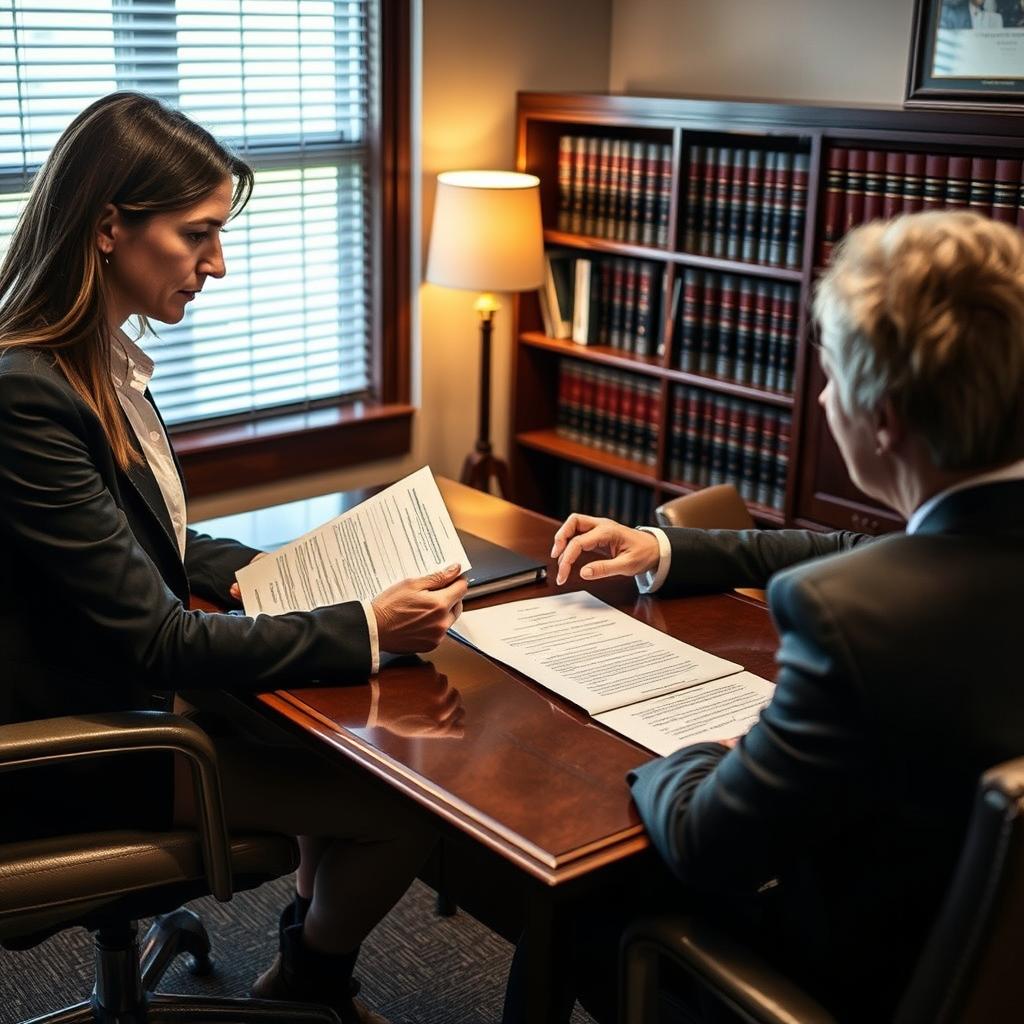
Adultery Divorce Lawyer Fairfax County
An Adultery Divorce Lawyer Fairfax County handles cases where infidelity is the legal ground for ending a marriage. Virginia law treats adultery as a fault-based ground for divorce with specific procedural and financial consequences. Law Offices Of SRIS, P.C.—Advocacy Without Borders. provides direct legal representation for these sensitive matters in Fairfax County Circuit Court. (Confirmed by SRIS, P.C.)
Statutory Definition of Adultery in Virginia Divorce
Virginia Code § 20-91(A)(1) defines adultery as a Class 4 misdemeanor and a fault-based ground for divorce. The statute requires proof of voluntary sexual intercourse between a married person and someone other than their spouse. This act must occur after the marriage ceremony and before a decree of separation. The complaining spouse must not have cohabited with the offending spouse after learning of the adultery. Proving this fault ground can significantly impact alimony, property division, and child custody determinations in Fairfax County.
Virginia’s legal framework for divorce is strictly fault or no-fault. Adultery is one of several fault grounds. Other fault grounds include cruelty, desertion, and felony conviction. A no-fault divorce requires one year of separation with a separation agreement. It requires six months with no minor children. Choosing to file on the ground of adultery is a strategic decision. It affects the entire case timeline and potential outcomes. An Adultery Divorce Lawyer Fairfax County can assess if this ground is your best option.
What evidence is needed to prove adultery in Fairfax County court?
You need clear and convincing evidence of the adulterous act. Direct evidence like photographs or eyewitness testimony is rare. Circumstantial evidence is commonly used in Fairfax County Circuit Court. This includes hotel receipts, credit card statements, and intimate communications. Text messages and emails can be submitted if properly authenticated. The court looks for a pattern of behavior suggesting a sexual relationship. An experienced attorney knows how to gather and present this evidence effectively.
Can I get a divorce for adultery if we reconciled briefly?
Brief reconciliation can be a complete defense to an adultery claim. Virginia law states cohabitation after knowledge of the act condones it. The offended spouse must not voluntarily resume marital relations. Even a single night together can be interpreted as condonation. The defense argues you forgave the infidelity by reconciling. Your Fairfax County adultery divorce lawyer must investigate the timeline thoroughly. Any evidence of continued cohabitation will be used against your petition.
How does an adultery finding affect child custody in Virginia?
An adultery finding can influence custody decisions under Virginia Code § 20-124.3. The court must consider the moral fitness of each parent. A parent’s adulterous conduct is part of that fitness evaluation. The primary focus remains the child’s best interests. The court examines if the conduct directly harmed the child’s welfare. An affair that disrupted the home environment may carry more weight. Fairfax County judges evaluate the context and impact of the behavior. Learn more about Virginia family law services.
The Insider Procedural Edge in Fairfax County
Your case is filed at the Fairfax County Circuit Court located at 4110 Chain Bridge Road, Fairfax, VA 22030. This court handles all fault-based divorce petitions for the county. The filing fee for a Complaint for Divorce is currently $89. You must file the original complaint and serve the other spouse. Service can be by sheriff, private process server, or acceptance of service. The responding spouse has 21 days to file an Answer. Failure to answer can lead to a default judgment on the adultery claim.
Fairfax County Circuit Court has specific local rules for divorce cases. All pleadings must comply with the Fairfax Circuit Court Clerk’s requirements. The court mandates a financial disclosure statement early in the process. This is Form CC-1686, Statement in Support of Divorce. You must disclose all assets, debts, and income. Failure to file this can delay your case. Local Rule 4:13 covers discovery procedures for adultery cases. Your attorney must know these rules to avoid procedural missteps.
What is the typical timeline for an adultery divorce in Fairfax?
An uncontested adultery divorce can finalize in about 2-3 months. A contested case often takes 9 to 18 months. The timeline starts with filing and serving the complaint. The discovery phase for gathering evidence can last several months. Fairfax County’s crowded docket can cause scheduling delays. Mandatory settlement conferences may be ordered by the court. A final hearing date depends on judge availability. Your lawyer’s efficiency in preparing the case directly impacts speed.
Are there mandatory waiting periods for an adultery divorce?
Virginia has no statutory waiting period for an adultery divorce final decree. The court can enter the final order immediately after the hearing. This contrasts with the one-year wait in a no-fault separation divorce. The absence of a waiting period is a key advantage of the fault ground. The case proceeds based on the court’s schedule and evidence preparation. The judge must be satisfied with the proof of the adultery allegation. Once proven, the decree of divorce can be granted without delay. Learn more about criminal defense representation.
Penalties & Defense Strategies in Adultery Divorce
The most common penalty in an adultery divorce is the loss of spousal support. Virginia Code § 20-107.1 bars an adulterous spouse from receiving alimony. The court must consider marital misconduct when awarding support. Proven adultery is a statutory bar to alimony for the guilty party. This financial penalty is often the primary consequence in Fairfax County. It applies regardless of the income disparity between the spouses. The innocent spouse may still be entitled to support from the adulterer.
| Offense / Consequence | Penalty / Effect | Legal Notes |
|---|---|---|
| Bar to Spousal Support | Adulterous spouse cannot receive alimony. | Absolute bar under VA Code § 20-107.1. |
| Impact on Property Division | Court may grant a larger share to innocent spouse. | Based on factors in VA Code § 20-107.3(E). |
| Consideration in Custody | Moral fitness is a custody factor. | Must relate to child’s best interests under § 20-124.3. |
| Potential for Criminal Charge | Class 4 misdemeanor (rarely prosecuted). | Maximum fine of $250 under VA Code § 18.2-11. |
| Attorney’s Fees Award | Court may order adulterer to pay other side’s fees. | Within judge’s discretion based on case conduct. |
[Insider Insight] Fairfax County prosecutors almost never pursue the criminal misdemeanor charge for adultery. The practical impact is entirely within the divorce proceeding. Local judges take the adultery allegation seriously in the context of support and property. They scrutinize the evidence closely before making a finding. The trend is to use the fault finding as use in settlement negotiations. An experienced Fairfax County adultery divorce lawyer uses this insight to build strategy.
How can an attorney defend against an adultery claim?
An attorney defends by attacking the sufficiency of the evidence. The defense argues the proof does not meet the clear and convincing standard. Condonation is a complete defense if reconciliation occurred. Connivance is a defense if the spouse consented to or set up the act. Recrimination argues the accusing spouse also committed adultery. Procedural defenses include improper service or filing errors. A strong defense often forces the other side to settle or switch to no-fault grounds.
What are the financial costs of an adultery divorce case?
Contested adultery divorces cost significantly more than no-fault cases. Attorney fees range from $10,000 to $30,000 or more in Fairfax County. Complex discovery and evidence hearings increase costs. experienced witnesses like private investigators may be necessary. Court filing fees and process server fees are additional. The cost is directly tied to the level of conflict and evidence needed. A skilled lawyer provides a realistic cost assessment early in the process. Learn more about personal injury claims.
Why Hire SRIS, P.C. for Your Fairfax County Adultery Divorce
Our lead attorney for family law in Fairfax County is a seasoned litigator with over 15 years in Virginia courts. This attorney has handled numerous complex fault-based divorce cases. They understand the precise evidentiary standards of Fairfax County Circuit Court. SRIS, P.C. has a dedicated team focused on family law litigation. We prepare every case with the assumption it will go to trial. This preparation gives you use in negotiations. We provide direct access to your attorney throughout the process.
Primary Fairfax County Family Law Attorney: The attorney leading these cases has extensive trial experience in fault divorces. Their background includes former prosecutorial work, providing insight into evidence presentation. They are familiar with every judge and commissioner in Fairfax County Circuit Court. This local knowledge informs case strategy and settlement positioning. The attorney has secured favorable outcomes in contested adultery cases.
SRIS, P.C. maintains a Location in Fairfax for client convenience. Our firm has achieved positive results in Fairfax County family law matters. We focus on aggressive, evidence-based representation in fault divorce cases. Our approach is to control the narrative of the case from the start. We guide clients through the emotionally charged process with clear advice. We explain the realistic outcomes at each stage. Your case is managed with precision and respect for its sensitive nature.
Localized FAQs for Adultery Divorce in Fairfax County
Is adultery a crime in Virginia?
Yes, adultery is a Class 4 misdemeanor under Virginia law. Criminal prosecution is extremely rare in Fairfax County. The primary legal action occurs within the divorce case itself. The criminal statute is seldom invoked by local prosecutors. Learn more about our experienced legal team.
Can I get alimony if my spouse committed adultery?
Yes, if you are the innocent spouse, you can seek alimony. Virginia law bars the spouse who committed adultery from receiving spousal support. Your Fairfax County adultery divorce lawyer can petition for support on your behalf. The court considers your need and your spouse’s ability to pay.
How long do I have to file for divorce after discovering adultery?
There is no specific statute of limitations for filing based on adultery in Virginia. However, you must not have condoned the act by resuming marital relations. Delay can sometimes be used to argue implied forgiveness. File as soon as you decide to pursue a fault-based divorce.
Will my spouse’s affair partner be named in the divorce papers?
The co-respondent (affair partner) is typically named in the divorce complaint. This is required to properly plead the ground of adultery under Virginia procedure. The co-respondent is served with the complaint but is rarely an active party. Their involvement is usually limited to the evidence phase.
What if we both committed adultery?
The legal doctrine of recrimination may apply if both spouses committed adultery. This can bar either spouse from obtaining a divorce on the ground of the other’s adultery. The court may advise filing for a no-fault divorce based on separation instead. An attorney can analyze which ground is most advantageous.
Proximity, CTA & Disclaimer
The SRIS, P.C. Fairfax Location is strategically positioned to serve clients in Fairfax County. We are accessible for meetings to discuss your adultery divorce case. Consultation by appointment. Call 703-636-5417. 24/7.
Address: 10513 Judicial Drive, Suite 201, Fairfax, VA 22030. Our Location is centrally located near the Fairfax County Courthouse complex. This proximity allows for efficient handling of court filings and hearings. We provide dedicated legal representation for fault-based divorces in Virginia.
If you are facing a divorce involving allegations of infidelity, you need specific legal advice. Contact SRIS, P.C. to schedule a case review with an attorney focused on Fairfax County family law. We assess the strengths of your case and outline a clear path forward. Our team is ready to advocate for your interests.
Past results do not predict future outcomes.