
Note: This article is confirmed by Law Offices Of SRIS, P.C.
AUTHOR BIO:WRITTEN BY
Since 1997, Mr. Sris has led the firm, focusing on the most challenging criminal and family law cases. His background in accounting and information management aids in financial and technology-related cases. Involved in significant legislative changes in Virginia. My focus since founding the firm in 1997 has always been directed towards personally handling the most challenging and involved criminal and family law matters our clients face.
Marital Settlement Agreement Lawyer Alexandria VA
What is a Marital Settlement Agreement
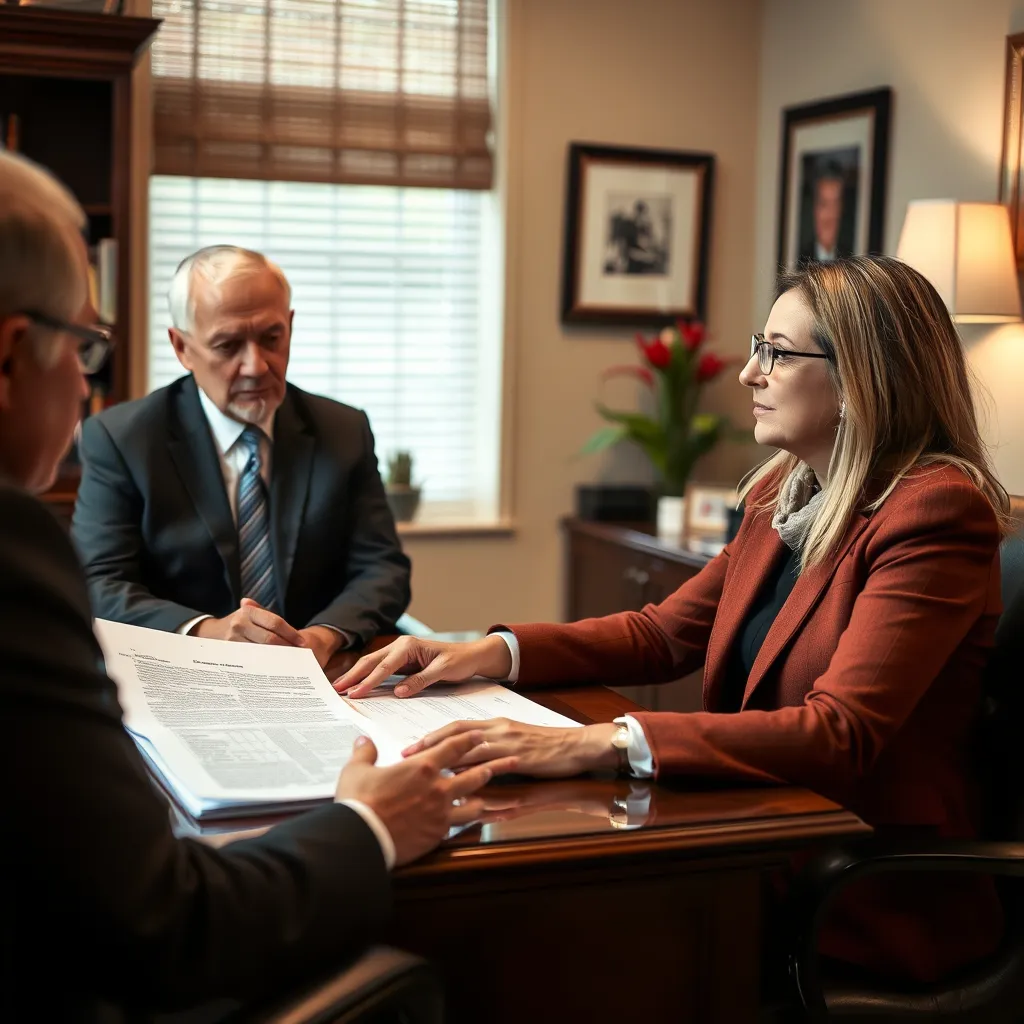
A marital settlement agreement serves as the foundation for divorce proceedings in Virginia. This legal document outlines how a couple will divide their shared life as they end their marriage. The agreement covers all financial aspects of the separation, including real estate, bank accounts, retirement funds, and personal property. It also addresses responsibility for debts accumulated during the marriage, from credit cards to mortgages.
The process begins with both parties disclosing their complete financial situations. Full transparency about assets, income, and liabilities is required under Virginia law. Each spouse must provide documentation supporting their financial claims. This information forms the basis for fair negotiations about how to divide marital property. The goal is to reach terms that both parties can accept while complying with Virginia’s equitable distribution laws.
Legal representation plays a vital role in developing these agreements. An attorney helps ensure all necessary elements are included and properly documented. They review proposed terms for fairness and compliance with Virginia statutes. Legal counsel also helps identify potential issues that might arise in the future. Properly drafted agreements can prevent costly litigation down the road.
Once finalized, the agreement must be submitted to the court for approval. A judge reviews the document to ensure it meets legal standards and doesn’t violate public policy. If approved, the agreement becomes part of the final divorce decree. This gives the terms the full force of law, making them enforceable through court action if necessary.
How to Create a Marital Settlement Agreement
The first step in creating a marital settlement agreement is comprehensive financial disclosure. Both spouses must provide complete information about their financial situations. This includes documentation of all assets, from real estate and vehicles to bank accounts and investment portfolios. Debts must also be fully disclosed, including credit card balances, loans, and mortgages. Income verification through pay stubs, tax returns, and business records is essential for determining support obligations.
Once financial information is exchanged, negotiations can begin. This process involves discussing how to divide marital property according to Virginia’s equitable distribution principles. Equitable doesn’t necessarily mean equal, but rather what the court would consider fair based on various factors. These factors include the length of the marriage, each spouse’s contributions, and their respective financial needs. Separate property, which is property owned before marriage or received as gifts or inheritance, typically remains with the original owner.
Drafting the agreement requires careful attention to legal details. The document must clearly identify all marital assets and specify how each will be divided. It should address transfer procedures for real estate, vehicles, and financial accounts. Support provisions need precise language about amounts, duration, and modification conditions. Child-related matters, if applicable, require particular care to ensure the agreement serves the children’s best interests.
Legal review is essential before signing any agreement. Each spouse should have independent legal counsel review the proposed terms. An attorney can identify potential problems, suggest improvements, and ensure the document complies with Virginia law. Once both parties and their attorneys are satisfied, the agreement is signed and notarized. It then becomes part of the divorce petition submitted to the court for final approval.
Can I Modify a Marital Settlement Agreement
Once a marital settlement agreement receives court approval and becomes part of the divorce decree, its terms are generally binding. However, certain provisions may be modifiable under specific circumstances. The key distinction lies between property division terms and support provisions. Property division is typically considered final and not subject to modification, except in rare cases involving fraud, duress, or mutual mistake. Support arrangements, including spousal support and child support, may be more flexible.
To modify support provisions, the requesting party must demonstrate a substantial change in circumstances. This means showing that conditions have changed significantly since the original agreement was approved. For spousal support, changes might include job loss, disability, retirement, or remarriage. The court considers whether these changes affect the original agreement’s fairness and practicality. The burden of proof rests with the party seeking modification, who must provide evidence supporting their claim.
The modification process begins with filing a petition with the court that issued the original divorce decree. This legal document outlines the requested changes and the reasons supporting them. Both parties have the opportunity to present evidence and arguments. The court then decides whether the changes warrant modification of the original agreement. If approved, the modified terms become part of a new court order with the same legal force as the original.
Preventing future modification issues begins with careful drafting of the original agreement. Including clear language about modification conditions can provide guidance for future situations. Some agreements specify circumstances under which terms may be reviewed or adjusted. Others include provisions for mediation or arbitration before returning to court. These proactive measures can help manage expectations and provide structured processes for addressing future changes.
Why Hire Legal Help for Marital Settlement Agreements
Professional legal assistance brings essential knowledge of Virginia family law to the marital settlement agreement process. Virginia’s equitable distribution system has specific rules about what constitutes marital property versus separate property. An attorney understands these distinctions and how they apply to your situation. They can identify assets that might be overlooked and ensure proper valuation methods are used. This knowledge helps create agreements that withstand legal scrutiny and prevent future challenges.
Negotiation support represents another significant benefit of legal representation. Emotions often run high during divorce proceedings, which can cloud judgment and lead to poor decisions. An attorney provides objective perspective and focuses on practical outcomes rather than emotional responses. They can communicate effectively with the other party’s counsel, using professional language and legal reasoning. This approach often leads to more productive negotiations and better overall results.
Drafting experienced lawyer ensures the final document is comprehensive and legally sound. Marital settlement agreements must include specific language and provisions to be enforceable. An attorney knows what elements Virginia courts require and how to structure the document properly. They can anticipate potential future issues and include provisions to address them. Proper drafting prevents ambiguity that could lead to misunderstandings or enforcement difficulties down the road.
Long-term protection comes from having an agreement that works effectively over time. Life circumstances change, and what seems reasonable today might become problematic later. An attorney considers these possibilities and helps structure agreements that remain workable. They can include provisions for review or adjustment under certain conditions. This forward-thinking approach provides stability and reduces the likelihood of returning to court for modifications.
FAQ:
What does a marital settlement agreement cover?
These agreements address property division, debt responsibility, spousal support, and sometimes child-related matters. They provide the terms for ending a marriage legally.
How long does it take to create this agreement?
The timeline varies based on challenge and cooperation between parties. Simple cases may take weeks, while complicated situations with disputes require months.
Can we create an agreement without going to court?
Yes, couples can negotiate terms privately, but court approval is still required for the agreement to become legally binding as part of the divorce.
What happens if one spouse hides assets?
Hiding assets can invalidate the agreement later. Full financial disclosure is legally required, and discovery of hidden assets may lead to penalties.
Are these agreements enforceable in other states?
Properly executed agreements are generally enforceable nationwide under the Full Faith and Credit Clause of the U.S. Constitution.
What if we agree on everything except one issue?
Partial agreements can be submitted to court while disputed matters are resolved separately. This approach can simplify the overall process.
Can we change the agreement after divorce?
Property terms are usually final, but support provisions may be modified with court approval if circumstances change significantly.
What makes an agreement invalid in Virginia?
Agreements may be invalid if signed under duress, based on fraud, or if they violate Virginia law or public policy principles.
Do both spouses need separate attorneys?
While not legally required, separate representation ensures each party’s interests are fully protected during negotiations and drafting.
How much does legal help cost for these agreements?
Costs vary based on case challenge. Many attorneys offer initial consultations to discuss fees and payment options for their services.
What if my spouse refuses to sign the agreement?
If negotiations fail, the court will decide the terms during divorce proceedings based on evidence and Virginia law requirements.
Are digital signatures valid on these documents?
Virginia recognizes electronic signatures for many legal documents, but specific requirements apply for marital settlement agreements.
Past results do not predict future outcomes