
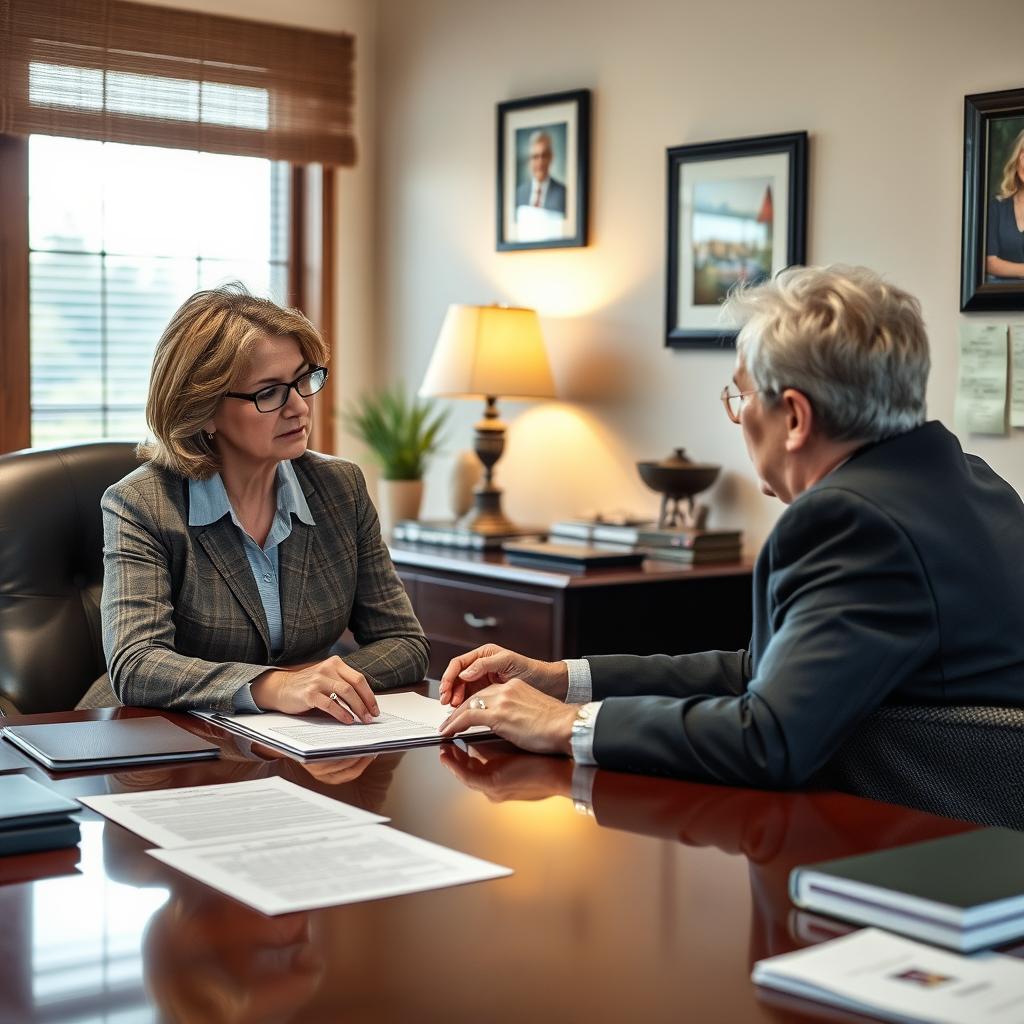
Kinship Guardianship Lawyer Fluvanna County, VA
When a child cannot remain with a parent because of family hardship, illness, deployment, or other serious circumstances, kinship guardianship offers a way for a relative to step in and provide a stable, legally recognized home. In Fluvanna County, Virginia, kinship guardianship is governed by Va. Code § 64.2-2000 et seq., a statutory framework that lets a grandparent, aunt, uncle, adult sibling, or other qualifying family member seek court-ordered authority to care for the child and make important decisions about the child’s education, health care, and welfare. Mr. Sris and his Of Counsel work with families throughout Fluvanna County — including Palmyra, Fork Union, and Lake Monticello — to navigate the petition process, present evidence to the court, and secure a guardianship arrangement that serves the child’s best interests. If you need guidance regarding a kinship guardianship matter in Fluvanna County, reach Law Offices Of SRIS, P.C. at (888) 437-7747 to schedule a consultation. Law Offices Of SRIS, P.C. – Advocacy Without Borders.
Understanding Kinship Guardianship in Fluvanna County
Kinship guardianship is distinct from adoption and from a standard child-custody order. Under Virginia law, a kinship guardian assumes legal responsibility for a minor child without terminating the biological parents’ rights. The court grants the guardian the authority to make day-to-day decisions for the child, but the parents may retain visitation rights and may, in some cases, be required to contribute to the child’s support. The process is designed to keep the child within the extended family and connected to the community, which is particularly important in rural areas such as Fluvanna County, where maintaining ties to a school district, a faith community, and a support network can significantly affect the child’s well-being.
Petitions for kinship guardianship in Fluvanna County are typically filed in the Fluvanna County Juvenile and Domestic Relations District Court (J&DR Court), located at 72 Main Street, Suite B, Palmyra, Virginia 22963. That court has jurisdiction over matters involving children in need of supervision, custody, and support. In some circumstances, related matters — for example, if a child’s parents are simultaneously involved in a divorce or equitable-distribution case — may also be addressed in the Fluvanna County Circuit Court. Mr. Sris and his Of Counsel are familiar with both the J&DR Court and the Circuit Court, and they help clients identify the correct venue and assemble the documentation the court requires, including the petition, a proposed order, and supporting affidavits explaining why the guardianship serves the child’s best interests.
How Mr. Sris and His Of Counsel Handle Kinship Guardianship Cases
Kinship guardianship petitions are fact-intensive. The court must find that the proposed guardianship is in the child’s best interests and that the petitioner is a suitable person to serve. Mr. Sris and his Of Counsel begin by listening carefully to the family’s circumstances — why the child cannot remain with a parent, what the family’s goals are, and whether any other legal avenues, such as a power of attorney or a consent custody order, might also need to be considered. They then prepare the necessary pleadings, marshal relevant evidence, and represent the petitioner at the court hearing. The firm does not make promises about what a judge will decide, but the team is experienced in presenting kinship-guardianship cases clearly, addressing the statutory factors under Virginia law, and responding to any objections that may arise from a parent or another interested party.
Because guardianship often intersects with other family-law matters — child support, custody modification, or even a pending divorce — Mr. Sris and his Of Counsel collaborate to address the full picture. Mr. Sris, who is a former prosecutor, understands how to present a case persuasively in court, while the firm’s Of Counsel contribute experience across family law, child-welfare practice, and civil litigation. The firm serves Fluvanna County clients from its Shenandoah Location and can schedule appointments at times that accommodate working families.
About Mr. Sris and His Of Counsel Team
Mr. Sris is the Owner and Founder of Law Offices Of SRIS, P.C. He has practiced since 1997 and is admitted in Virginia, Maryland, the District of Columbia, New Jersey, and New York. As a former prosecutor, Mr. Sris brings courtroom experience and a practical understanding of how evidence is evaluated by judges and opposing counsel. He concentrates his practice in family law and works closely with the firm’s Of Counsel team, a group of experienced attorneys who handle a wide range of family-law, child-custody, and guardianship matters. Mr. Sris and his Of Counsel bring extensive combined legal experience to kinship guardianship cases in Fluvanna County and throughout Virginia. Results may vary.
Every attorney at the firm works on a non-employee Of Counsel basis, meaning that the firm can match each client’s needs with the right experience while keeping Mr. Sris actively involved in case strategy. The team’s familiarity with the courts in the Sixteenth Judicial District, which includes Fluvanna County, helps ensure that petitions are filed correctly and that hearings are handled efficiently.
Frequently Asked Questions
What is kinship guardianship under Virginia law?
Kinship guardianship is a court-ordered arrangement, governed by Va. Code § 64.2-2000 et seq., that gives a qualifying relative legal authority to care for a minor child without terminating the parents’ rights. The guardian makes decisions about the child’s education, medical care, and general welfare, while the child often remains connected to both the parents and the extended family. The court retains oversight and the guardianship may be modified or terminated if circumstances change. Unlike adoption, kinship guardianship does not create a new parent-child legal relationship, and the parents’ rights to seek visitation or reunification are not extinguished.
How does kinship guardianship differ from adoption?
Adoption permanently severs the legal relationship between the child and the biological parents and makes the adoptive parent the child’s legal parent in every respect. Kinship guardianship, by contrast, preserves that legal tie; the parents remain the child’s legal parents, though the guardian assumes daily decision-making authority. This distinction matters in Fluvanna County cases where a parent is temporarily unable to care for a child — because of military deployment, a medical crisis, or substance-abuse treatment — but the family hopes for reunification in the future.
Who may file a petition for kinship guardianship in Fluvanna County?
A grandparent, aunt, uncle, adult sibling, or other close family member who has a significant pre-existing relationship with the child may petition the Fluvanna County Juvenile and Domestic Relations District Court to be appointed as a kinship guardian. The petitioner must demonstrate a genuine concern for the child’s well-being and a willingness to accept the responsibilities of guardianship. In some situations, a non-relative who has acted in a parental role — such as a godparent or close family friend — may also seek guardianship, though the legal standard is more demanding and the court will scrutinize the relationship closely.
What must the petitioner prove to obtain kinship guardianship?
The petitioner must convince the court by clear and convincing evidence that the guardianship is necessary and that granting it would serve the child’s best interests. The court considers factors such as the child’s age, physical and mental health, the child’s relationship with the petitioner, the parents’ current ability to care for the child, and any history of abuse or neglect. Virginia law also requires the petitioner to give notice to the child’s parents and, depending on the child’s age and maturity, to the child. An attorney can help gather the right evidence and present it effectively.
Which court hears kinship guardianship matters in Fluvanna County?
The Fluvanna County Juvenile and Domestic Relations District Court, located at 72 Main Street, Suite B, Palmyra, Virginia 22963, has jurisdiction over most initial kinship guardianship petitions involving a minor. If a related divorce or equitable-distribution matter is pending in the Fluvanna County Circuit Court, the guardianship issues may be consolidated or addressed in that forum. Mr. Sris and his Of Counsel can advise you on the correct venue for your situation and ensure that all filings comply with local court rules.
What is the typical process for establishing kinship guardianship?
The process begins with filing a petition in the juvenile court, serving the petition on the child’s parents and any other necessary parties, and attending a hearing where the judge evaluates the evidence. A guardian ad litem may be appointed to represent the child’s interests, and the court may order a home study or background check if deemed necessary. If the judge finds that the statutory requirements are met, an order appointing the guardian is entered. The timeline varies depending on the court’s calendar, the complexity of the case, and whether the petition is contested.
Can a parent object to a kinship guardianship petition?
Yes, a parent has the right to receive notice of the petition and to appear in court to oppose it. The parent may argue that they are capable of caring for the child or that the proposed guardian is not suitable. If the parent objects, the matter becomes contested, and the petitioner bears the burden of proof. The court may schedule an evidentiary hearing, where both sides present testimony and documentary evidence. Having experienced counsel is essential when a parent opposes the guardianship.
What legal rights does a kinship guardian have?
A kinship guardian has the right to make decisions about the child’s education, non-emergency medical care, and general upbringing, and to enroll the child in school and access school records. The guardian may also apply for public benefits on the child’s behalf. However, the guardian does not have the power to consent to the child’s adoption by a third party or to make decisions that would irreversibly alter the child’s legal status, such as changing the child’s name without court approval. The guardian is also responsible for managing the child’s day-to-day needs and ensuring a safe living environment.
How long does kinship guardianship last?
Kinship guardianship continues until the child reaches the age of eighteen, unless a court earlier modifies or terminates the arrangement. The guardianship may end if the child is adopted, if the child’s parents successfully petition the court to regain custody, or if the guardian resigns or is removed by the court for cause. Periodic court review is not always required under Virginia law, but the court retains jurisdiction to address changed circumstances at any time while the guardianship is in effect.
Can a kinship guardianship be modified or terminated?
Yes, any interested party — including the parents, the guardian, or the child — may petition the court to modify or dissolve the guardianship if there has been a material change in circumstances. For example, if the parent completes a substance-abuse treatment program, obtains stable housing, and can demonstrate fitness to resume custody, the court may terminate the guardianship. The same court that issued the original order retains authority to hear modification petitions, and the process is similar to the initial guardianship proceeding.
Do I need a lawyer to obtain kinship guardianship in Fluvanna County?
You are not legally required to have a lawyer to file a kinship guardianship petition, but the process involves complex court rules, evidentiary requirements, and, in contested cases, cross-examination of witnesses. A lawyer who regularly practices before the Fluvanna County J&DR Court can help you avoid procedural missteps, present your evidence persuasively, and respond to objections raised by the child’s parents or a guardian ad litem. For guidance tailored to your particular circumstances, contact Law Offices Of SRIS, P.C. at (888) 437-7747.
How do I find a kinship guardianship lawyer in Fluvanna County?
Look for a lawyer who is admitted to practice in Virginia, who has experience handling guardianship and family-law matters in the Sixteenth Judicial District, and who can explain the process in plain language. When you call Law Offices Of SRIS, P.C., you will speak with a member of our team who can schedule a consultation to discuss your situation. The firm’s Shenandoah Location, at 505 N Main Street, Suite 103, Woodstock, Virginia, serves Fluvanna County clients by appointment. Call (888) 437-7747 or use our contact page to request a consultation.
For additional resources on related family-law topics, you may also find useful information on our pages: Family Law Lawyer Fairfax County, Family Law Lawyer Fairfax City, Family Law Lawyer Prince William County, Family Law Lawyer Manassas City, and Family Law Lawyer Falls Church City.
For official primary sources, visit the Virginia General Assembly’s statutory library at Virginia Code Title 64.2 (Guardianship) and the website of the Virginia Judicial System at Virginia’s Courts for court directories, forms, and procedural information.
Attorney advertising. Prior results do not guarantee a similar outcome. Results may vary. Content reviewed by Mr. Sris, admitted in Virginia, Maryland, the District of Columbia, New Jersey, and New York. Nothing on this page creates an attorney-client relationship or constitutes legal advice. Seek the advice of an attorney for your individual situation.
Case results depend on a variety of factors unique to each case.