
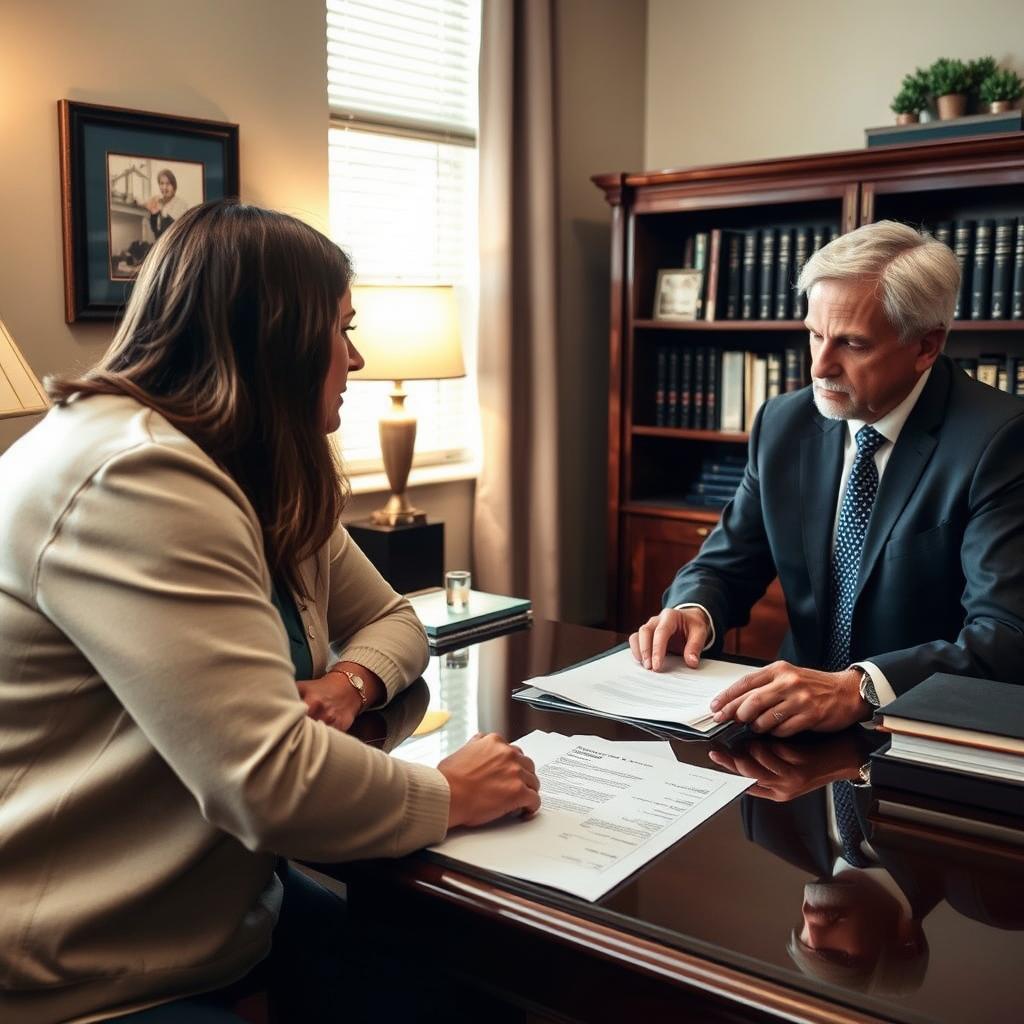
Visitation Enforcement Lawyer Rockingham County, VA
When a court-ordered visitation schedule is not being followed, the parent denied time with their child has legal options under Virginia law. In Rockingham County, visitation enforcement cases seek to hold a noncompliant parent accountable and restore the parenting time that the court originally granted. At Law Offices Of SRIS, P.C., Mr. Sris and his Of Counsel represent parents who need to enforce visitation orders in the Rockingham County Juvenile and Domestic Relations District Court and, when the matter is connected to a pending divorce, in the Rockingham County Circuit Court. Our firm has practiced in Virginia since 1997 and concentrates on family law matters that require a clear understanding of local court procedures and the statutory framework that governs visitation rights. To speak with a visitation enforcement lawyer about your situation, reach our firm at (888) 437-7747. Law Offices Of SRIS, P.C. – Advocacy Without Borders.
What Visitation Enforcement Means in Rockingham County
Visitation enforcement in Virginia is the legal process a parent uses when the other parent routinely refuses to follow a visitation order. The right of a child to maintain a relationship with both parents is protected under Va. Code § 20-124.2, which establishes that the court shall assure a child of frequent and continuing contact with both parents when that contact is in the child’s best interests. When one parent denies court-ordered visitation, the other parent may ask the court to enforce the existing order through a show-cause motion or other enforcement remedy.
In Rockingham County, visitation enforcement matters typically begin in the Juvenile and Domestic Relations District Court (J&DR Court) if the original custody and visitation order was entered there. If the visitation schedule is part of a divorce decree from the Circuit Court, enforcement proceedings may also be initiated in that court. The Rockingham County J&DR Court and the Circuit Court both sit at 53 Court Square in Harrisonburg. The J&DR Court handles standalone custody, visitation, and support matters, while the Circuit Court retains jurisdiction over divorce, equitable distribution, and spousal support. Our firm appears regularly in both courts and understands the procedural expectations of each. Because Virginia judges focus on the child’s best interests, a parent seeking enforcement must be prepared to document the pattern of denial and to show that the requested remedy serves the child’s welfare.
How Mr. Sris and His Of Counsel Handle Visitation Enforcement Cases
Mr. Sris and his Of Counsel team approach visitation enforcement by first gathering a detailed history of the missed visits, including dates, times, and communications with the other parent. A parent often keeps a log or a calendar of denied visitation; that record is foundational. The attorney then evaluates whether the denial constitutes a clear violation of the existing court order, or whether a more subtle interference—such as scheduling conflicts, travel restrictions, or gradual reduction of time—needs to be brought before the court. The goal is to secure compliance with the order and, where appropriate, to make up the lost time.
The enforcement process may involve sending a demand letter to the other parent, filing a motion for a rule to show cause, and presenting evidence at a hearing. In a show-cause proceeding, the court asks the parent accused of violating the order to explain why they should not be held in contempt. Possible remedies include a court order compelling makeup visitation, a change in the visitation schedule to prevent future denials, an award of attorney’s fees and costs, and, in cases of egregious or repeated violations, contempt sanctions. Throughout the process, Mr. Sris and his Of Counsel focus on what the court will view as the child’s best interests under Va. Code § 20-124.3, because that statutory standard remains the lens through which every Virginia custody and visitation dispute is resolved.
About Mr. Sris and His Of Counsel Team
Mr. Sris, Owner and Founder of Law Offices Of SRIS, P.C., has practiced in Virginia since 1997. He is a former prosecutor and is admitted to practice in Virginia, Maryland, the District of Columbia, New Jersey, and New York. Mr. Sris testified before the Virginia House Courts of Justice Committee in support of 2019 HB 635 (chief patron Del. David Bulova). His Of Counsel team includes a former Virginia State Trooper who brings a detailed understanding of evidentiary and procedural standards, and an attorney with extensive child welfare and family law experience. Together, Mr. Sris and his Of Counsel bring extensive combined legal experience. Results may vary. To schedule a consultation, reach our firm at (888) 437-7747.
Frequently Asked Questions
What is visitation enforcement in Virginia?
Visitation enforcement is the legal process a parent uses to compel the other parent to follow a court-ordered visitation schedule when the order is being ignored or interfered with. Under Va. Code § 20-124.2, courts are directed to ensure a child has frequent and continuing contact with both parents. If the custodial parent denies the ordered time, the noncustodial parent can file a motion with the court that issued the order, asking the judge to enforce the schedule. The enforcement proceeding may result in makeup time, a revised schedule, or, in serious cases, contempt findings.
How does a visitation enforcement case work in Rockingham County?
In Rockingham County, a parent seeking to enforce a visitation order files a motion in the Juvenile and Domestic Relations District Court or the Circuit Court, depending on which court issued the original order. The moving parent presents evidence of the denied visits—such as a log, text messages, or emails—and asks the court to intervene. The other parent is given an opportunity to respond. After the hearing, the judge may order makeup visitation, modify the schedule, or impose sanctions. The court calendar in the Twenty-sixth Judicial District governs the timeline, and hearings are set based on the court’s schedule and the urgency of the matter.
What evidence helps in a visitation enforcement case?
Documentation of each denied visit is the most persuasive evidence: a written log showing the date, time, and circumstances of each missed visitation, along with any communication from the other parent explaining or acknowledging the denial. Text messages, emails, call logs, and witness statements can corroborate the pattern. Copies of the existing court order are essential so the judge can see exactly what was ordered and how it was violated. If the other parent has made allegations about safety or other concerns, evidence addressing those allegations may also be necessary. An experienced family law attorney can help organize this information in a way the court can evaluate efficiently.
Can a parent be held in contempt for denying visitation?
Yes, a Rockingham County court has the authority to hold a custodial parent in contempt for willfully violating a visitation order. The court must find that the violation was intentional and not based on a good-faith concern about the child’s safety or welfare. Contempt penalties can include fines, a jail sentence, or an order to pay the other parent’s attorney’s fees and costs. However, most judges prefer to resolve visitation disputes through less severe remedies—such as a revised schedule or makeup time—designed to restore the parent-child relationship. Contempt is generally reserved for ongoing, deliberate disobedience.
What if the visitation order was part of a divorce decree?
When visitation terms are included in a final divorce decree, enforcement is typically sought in the Rockingham County Circuit Court because that court retains jurisdiction over the divorce case. The same standards under Va. Code § 20-124.2 and § 20-124.3 apply. The parent files a motion to enforce the decree’s visitation provisions, and the court schedules a hearing. If a parent is also seeking to modify custody or support at the same time, the issues can often be heard together. The procedural rules of the Circuit Court apply, and legal representation is advisable to navigate the filing requirements and evidentiary standards.
How do I start the visitation enforcement process?
The first step is to consult an attorney who practices family law in Rockingham County to review your existing court order and discuss the facts of your case. Your attorney will evaluate whether a formal enforcement action is necessary or whether a letter to the other parent could resolve the issue. If litigation is the appropriate course, a motion is prepared and filed in the correct court, and the other parent is served with notice of the hearing. Throughout the process, the focus remains on preserving the child’s relationship with both parents. To speak with Mr. Sris and his Of Counsel about your situation, call (888) 437-7747.
Family law services in nearby counties:
Clarke County family law lawyer |
Shenandoah County family law lawyer |
Frederick County family law lawyer |
Warren County family law lawyer
Virginia legal resources:
Virginia Code Title 20 — Domestic Relations |
Virginia’s Judicial System
Attorney advertising. Prior results do not guarantee a similar outcome.
Case results depend on a variety of factors unique to each case.