
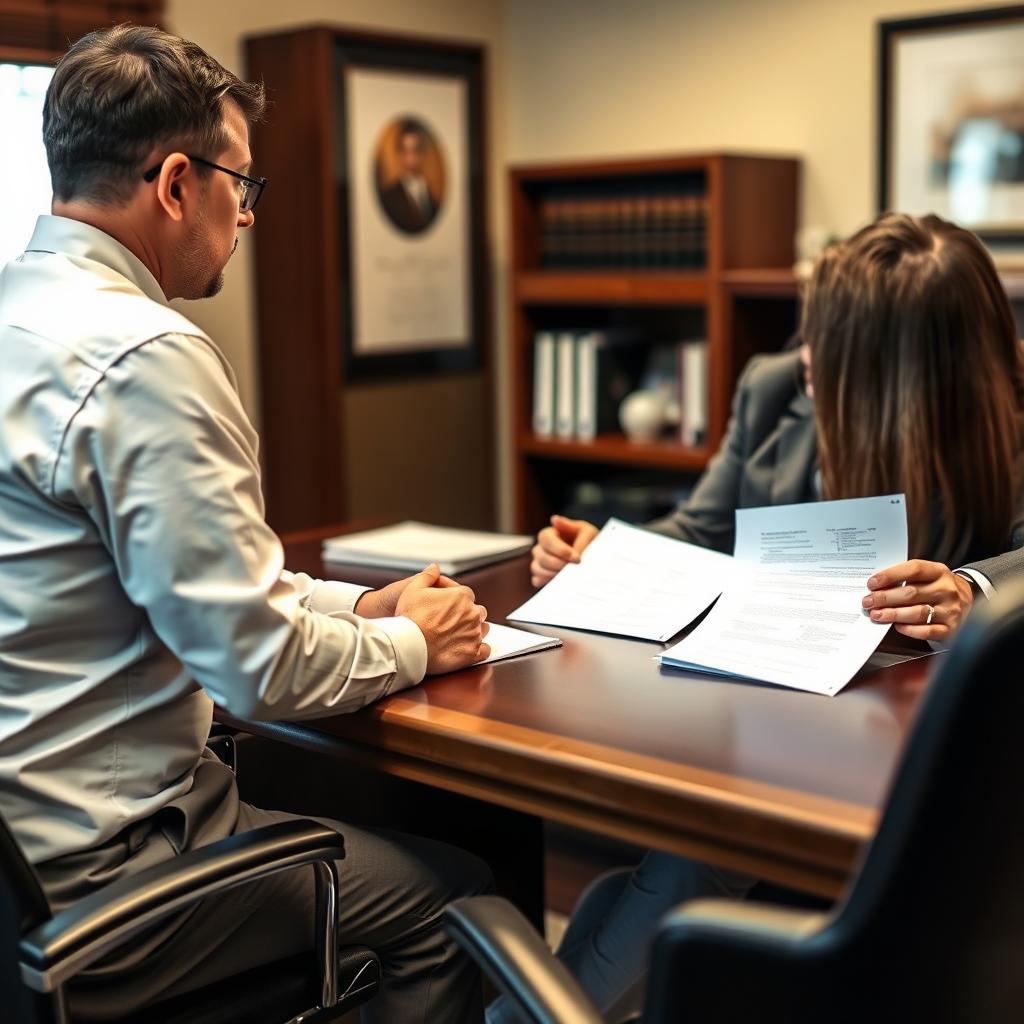
Felony Conviction Divorce Lawyer Fauquier County, VA
If your spouse has been convicted of a felony and sentenced to more than one year in prison, Virginia law gives you a recognized fault ground for divorce under Virginia Code § 20‑91. This ground eliminates the need for a lengthy separation period and allows you to move forward with ending the marriage directly. The firm represents the spouse who is seeking the divorce—not the incarcerated party—and handles the procedural requirements of proving the conviction, serving the incarcerated spouse, and resolving property, support, and custody issues in Fauquier County. Divorces on this ground are filed in the Fauquier County Circuit Court at 6 Court Street, Warrenton, Virginia 20186, which has exclusive jurisdiction over all divorce actions. Our experienced family law team guides clients through each step of a felony‑conviction divorce, from the initial complaint through final decree and post‑divorce modifications. To discuss how a felony conviction may affect your marriage and your legal options, reach Law Offices Of SRIS, P.C. at (888) 437‑7747. Law Offices Of SRIS, P.C. – Advocacy Without Borders.
What Felony Conviction Divorce Means in Fauquier County
A divorce based on a spouse’s felony conviction is a fault‑based proceeding that does not require the plaintiff to wait out a statutory separation period. Under Virginia Code § 20‑91, the ground is met when the other spouse has been convicted of a felony, sentenced to confinement for more than one year, and is actually serving that sentence. The Fauquier County Circuit Court—the sole court with jurisdiction over divorce matters in the county—handles all filings, hearings, and trials related to felony‑conviction divorces. Because the court is located at 6 Court Street in Warrenton, clients from communities such as Warrenton, New Baltimore, Bealeton, Marshall, and The Plains appear for proceedings at that location. The firm prepares and files the Complaint in the Circuit Court, attaches certified records of the felony conviction and incarceration, and manages service of process on the incarcerated spouse at the correctional facility where he or she is held. If the incarcerated spouse does not respond, the court may grant the divorce on an uncontested basis after a hearing at which the plaintiff testifies and presents corroborating evidence.
A felony‑conviction divorce differs significantly from no‑fault dissolution because it allows immediate access to the court without waiting one year—or six months with an agreement—for a separation period to run. However, fault grounds can affect the equitable distribution of marital property and spousal support determinations. Virginia follows an equitable distribution model, not community property, and the court considers the circumstances that led to the dissolution of the marriage when dividing assets and debts. The firm works with clients to present the felony conviction and its financial impact on the family as part of the equitable distribution analysis. Because the incarcerated spouse will generally have limited ability to participate in property division or support hearings, we help ensure that the client’s rights are fully asserted, whether through settlement negotiations, mediation, or trial. The Fauquier County Circuit Court also resolves child custody and support matters when they are raised in the divorce action, applying the trusted‑interests‑of‑the‑child standard.
How Mr. Sris and His Of Counsel Handle Felony Conviction Divorce Cases
Mr. Sris and his Of Counsel approach felony‑conviction divorces as both a family law matter and a litigation challenge. The process begins with a consultation to confirm that the statutory ground is satisfied—namely, that the spouse has been convicted of a felony and sentenced to confinement for more than one year—and to identify all related issues such as child custody, visitation, spousal support, and division of real and personal property. Because these cases often involve a spouse who cannot actively participate, the firm takes extra care to build a complete factual record. We gather certified conviction documents from the criminal court and coordinate with the correctional facility to effect proper service of process, ensuring that the Fauquier County Circuit Court has personal jurisdiction over the incarcerated spouse. Once the case is filed, the firm may seek pendente lite relief—temporary support and custody orders—so that the family’s needs are addressed while the divorce is pending.
Many felony‑conviction divorces proceed uncontested if the incarcerated spouse signs a waiver or fails to respond, and in those situations Mr. Sris and his Of Counsel present the required testimony and documentary evidence at a brief final hearing before the Circuit Court. When a case becomes contested—for example, if the incarcerated spouse objects to property division or seeks custody rights—the firm is prepared to litigate. Attorneys on the team have extensive trial experience in Virginia Circuit Courts and bring a structured, evidence‑based approach to hearings. They work closely with clients to present a clear narrative of the marriage’s breakdown and the practical effect of the spouse’s incarceration on the family. The firm’s Washington‑metro location allows attorneys to appear regularly in Fauquier County and the surrounding Northern Virginia jurisdictions, minimizing travel burdens for clients. Throughout the case, the team remains responsive and focuses on achieving a final decree that protects the client’s future.
About Mr. Sris and His Of Counsel Team
Mr. Sris, Owner and Founder of Law Offices Of SRIS, P.C., has practiced law since 1997. He is a former prosecutor and is admitted to practice in Virginia, Maryland, the District of Columbia, New Jersey, and New York. Mr. Sris testified before the Virginia House Courts of Justice Committee in support of 2019 HB 635 (chief patron Del. David Bulova), which revised the equitable distribution statute. His experience includes handling fault‑based divorces, complex property division, and litigation in Virginia Circuit Courts. Mr. Sris and his Of Counsel bring over 120 years of combined legal experience, with 4,739+ documented firm-wide results. Results may vary. In Fauquier County, the firm has documented 73 case results across all practice areas with a 97% favorable outcome rate.
The Of Counsel team consists of non‑employee attorneys engaged through Excella; each member brings a distinct professional background—including former prosecution and law enforcement experience—that informs the firm’s family law practice. While Mr. Sris leads the practice, clients benefit from the collective knowledge of attorneys who handle matters from initial filing through trial. The team’s familiarity with the Fauquier County Circuit Court, the local clerk’s office, and the procedural expectations of the Twentieth Judicial District contributes to efficient case management. Whether a case is uncontested or requires litigation, the firm is structured to devote the right resources to each matter while adhering to the ethical standards applicable in all five of the jurisdictions in which the firm’s attorneys are licensed.
Frequently Asked Questions
How does a felony conviction affect divorce in Virginia?
A felony conviction can serve as a fault ground for divorce in Virginia, eliminating the need for a separation period. Under Va. Code § 20‑91, a spouse may file for divorce when the other spouse has been convicted of a felony and sentenced to more than one year of confinement. This ground allows the innocent spouse to seek a divorce immediately rather than waiting the one‑year or six‑month separation period required for a no‑fault dissolution. The conviction must be final and the spouse must actually be incarcerated at the time of filing. The divorce case is heard in the Circuit Court, which also resolves property division, spousal support, and, when joined with the divorce action, child custody and support matters.
Do I need an attorney for a felony conviction divorce in Fauquier County?
While you are not legally required to hire an attorney, retaining experienced counsel is strongly advisable because the procedural and evidentiary requirements in a felony‑conviction divorce can be complex. You must present certified criminal court records, coordinate service on an incarcerated spouse, and prove the statutory ground to the satisfaction of the Fauquier County Circuit Court. An attorney can manage these steps, anticipate challenges such as the incarcerated spouse’s response, and advocate for a property division that accounts for the economic harm the incarceration caused. Mr. Sris and his Of Counsel regularly appear in the Twentieth Judicial District and are familiar with the local court’s expectations, which helps clients navigate the process efficiently.
How long does a felony conviction divorce take in Fauquier County?
The timeline varies depending on whether the incarcerated spouse contests the divorce, but uncontested cases can often be finalized within two to four months from filing. When the convicted spouse does not respond or signs a waiver, the court schedules a short final hearing at which the plaintiff testifies and presents corroborating evidence. If the case is contested—for example, disputes over property division or custody arise—the process may extend to nine to eighteen months or longer, depending on the court’s calendar. Complex cases involving business valuations or retirement assets may take additional time. The Fauquier County Circuit Court schedules hearings on its own docket, and pendente lite relief for temporary support or custody can be sought early in the case.
What happens to custody when a parent is incarcerated?
Custody determinations are based on the best interests of the child, and a parent’s incarceration is a significant factor the court considers. Virginia Code § 20‑124.3 lists ten factors, including each parent’s role in the child’s life and any history of abuse. A parent serving a lengthy sentence may be unable to exercise physical custody, and the court will frequently award sole custody to the non‑incarcerated spouse, with visitation limited or suspended depending on the circumstances. The Fauquier County Juvenile and Domestic Relations District Court handles standalone custody and support matters, but when custody is raised within a divorce action, the Circuit Court decides those issues.
Can I get spousal support if my spouse is in prison?
Spousal support can be awarded in a felony‑conviction divorce, but the practical ability to collect depends on the incarcerated spouse’s resources. Virginia courts consider factors such as the duration of the marriage, the standard of living during the marriage, and each party’s earning capacity. A spouse with a felony conviction may have limited income while incarcerated, which can affect the amount and duration of a support order. However, the court can reserve the right to address support later, when the spouse is released and has income. Mr. Sris and his Of Counsel help clients evaluate whether seeking support is practical and, if so, how to structure the order to preserve the client’s rights.
How do I prove a felony conviction for a divorce?
The plaintiff must introduce certified copies of the judgment of conviction and evidence of the sentence, typically obtained from the criminal court that entered the conviction. The Fauquier County Circuit Court will accept a certified criminal court record as proof. The firm assists clients in obtaining these documents from the appropriate Virginia or federal court and, when necessary, coordinates with correctional facilities to verify the spouse’s current incarceration status. If the conviction occurred in another state, the plaintiff may need to introduce authenticated records under Virginia’s evidentiary rules. Working with an attorney helps ensure that all documentary proof is properly presented so the court can find the statutory ground satisfied.
Attorney advertising. Prior results do not guarantee a similar outcome. Results may vary.
Case results depend on a variety of factors unique to each case.