
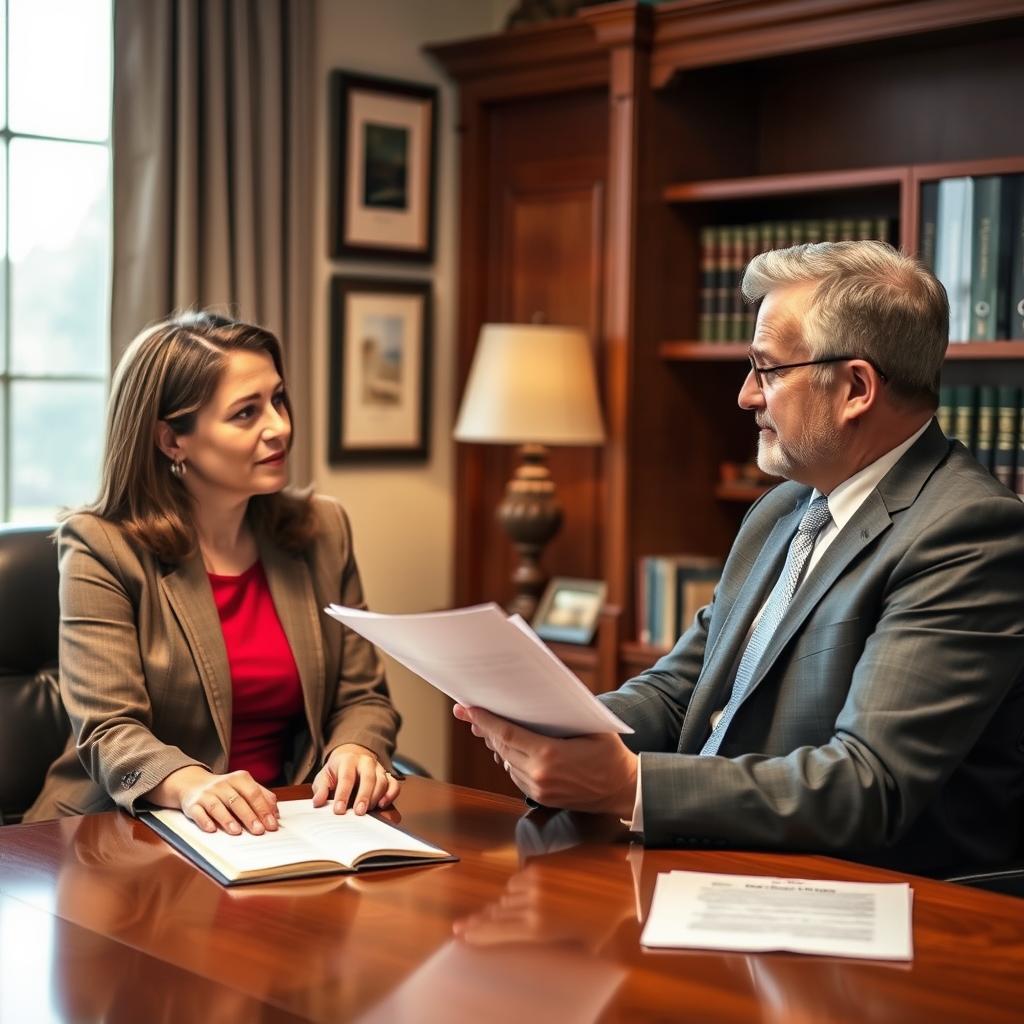
Contested Divorce Lawyer Fluvanna County, VA
When a marriage ends and the spouses cannot agree on the terms of their separation, the matter proceeds as a contested divorce — one of the most demanding types of family law litigation. In Fluvanna County, Virginia, contested divorce cases are heard before the Fluvanna County Circuit Court for the dissolution of marriage, equitable distribution of property, and spousal support, while child custody and support matters may be addressed in the Fluvanna County Juvenile and Domestic Relations District Court. Mr. Sris, Owner and Founder of Law Offices Of SRIS, P.C., and his Of Counsel team represent clients in contested divorce proceedings throughout Fluvanna County, including the communities of Palmyra, Fork Union, and Lake Monticello. Reach our firm at (888) 437-7747 to schedule a consultation about your contested divorce matter. Law Offices Of SRIS, P.C. — Advocacy Without Borders.
Admitted in Virginia, Maryland, District of Columbia, New Jersey, and New York
Founded in 1997 · Languages: English, Spanish, Tamil
Shenandoah Location, serving Fluvanna County: 505 N Main St, Suite 103, Woodstock, VA 22664
What Contested Divorce Means in Fluvanna County
A contested divorce in Fluvanna County arises when the spouses cannot agree on one or more essential issues — typically the division of marital property, spousal support, child custody, or child support. Virginia is an equitable distribution state under which means the court divides marital assets fairly but not necessarily equally. In Fluvanna County, contested divorce cases are resolved by the Fluvanna County Circuit Court, located at 72 Main Street, Suite B, Palmyra, VA 22963. The court applies Virginia’s statutory framework to determine the grounds for divorce, classify and value property, and issue orders on support and parenting arrangements when the parties cannot reach a settlement on their own.
Fluvanna County spans a mix of rural and lake-community areas, including Lake Monticello, Fork Union, and the county seat of Palmyra. A contested divorce proceeding here can involve complex financial issues such as business valuation, retirement account division, and real estate holdings, as well as sensitive questions of child custody and visitation. Because the court must make binding decisions for the parties, having an attorney who understands both the applicable statutes and local court practices can help you navigate the process. Mr. Sris and his Of Counsel have extensive experience representing clients in contested family law matters throughout Virginia, including in the Fluvanna County Circuit Court.
How Mr. Sris and His Of Counsel Handle Contested Divorce Cases
When you work with Mr. Sris and his Of Counsel, the first step is a thorough assessment of your case — the grounds for divorce, the marital estate, any custody concerns, and the relief you need. Under Virginia law, a divorce may be sought on fault grounds such as adultery, cruelty, or desertion, or on no-fault grounds after a period of separation pursuant to Va. Code § 20-91. The chosen ground can affect property division and spousal support, so selecting the appropriate legal theory is critical. Mr. Sris and his Of Counsel work to develop a strategy that aligns with your goals while addressing the statutory factors the court will consider.
Throughout the contested process, the team manages every stage: drafting and filing the complaint, engaging in discovery, addressing pendente lite motions for temporary support and custody, and preparing for trial if a settlement cannot be reached. When settlement is appropriate, they negotiate from a position grounded in a realistic evaluation of the likely outcome at trial. When trial is necessary, they present the evidence clearly and advocate for a result that reflects your interests under Virginia law. All case strategy is approached with the understanding that every contested divorce involves unique financial and personal circumstances; no two cases follow an identical path, and the firm tailors its work accordingly.
Consequences of a Contested Divorce in Virginia
In a contested divorce, the court may be asked to decide matters that will affect your life for years to come. Equitable distribution under can result in the division of marital property — including homes, investment accounts, business interests, and retirement assets — based on the court’s consideration of factors such as the duration of the marriage, each spouse’s contributions, and the tax consequences of the proposed distribution. Spousal support may be awarded after evaluating the factors listed in Va. Code § 20-107.1, which include the financial needs of each party and the standard of living established during the marriage. The outcome can shift significantly depending on whether the divorce is granted on fault or no-fault grounds.
If children are involved, custody and visitation orders are determined according to the best interests of the child standard set out in Va. Code § 20-124.3. The court considers the child’s relationship with each parent, each parent’s role in the child’s upbringing, any history of family abuse, and other relevant factors. Child support is calculated using the Virginia guidelines. Because the court’s rulings in a contested case are binding, it is essential to present a complete and accurate picture of the family’s circumstances.
Court Procedure for Contested Divorce in Fluvanna County
The contested divorce process in Fluvanna County begins with the filing of a complaint in the Fluvanna County Circuit Court. The complaint must state the grounds for divorce and the relief requested. After service of process, the responding spouse has a set period to file an answer. The case then enters a phase of discovery, during which each side may request documents, conduct depositions, and gather evidence on property, income, and parenting issues. Pendente lite hearings — temporary hearings for spousal support, child custody, or exclusive use of the family home — can be scheduled early in the case if one party seeks immediate relief while the divorce is pending.
Many contested cases are resolved through negotiation or mediation before trial, but when no settlement is reached, the court will schedule a trial. At trial, both parties present evidence and argument on all contested issues. The judge then issues a final decree of divorce that resolves the marriage, divides property, and sets forth the terms of support and custody. Because the timeline and complexity of the proceedings depend on the volume of issues in dispute and the court’s calendar, a contested divorce typically requires significantly more time than an uncontested one. Mr. Sris and his Of Counsel guide clients through each stage, from initial filing through final decree.
Frequently Asked Questions
How long does a contested divorce take in Fluvanna County?
The timeline for a contested divorce in Fluvanna County varies based on the complexity of the issues, the court’s calendar, and whether the parties reach a settlement before trial. Cases with significant disputes over property valuation, custody, or support may require extensive discovery and multiple hearings, which can extend the process. In contrast, cases where the parties are able to resolve most issues through negotiation or mediation often conclude more quickly. Because Virginia law requires a period of separation before a no-fault divorce can be granted, the overall duration also depends on when the separation began and whether the statutory requirements have been met.
How much does a contested divorce cost in Fluvanna County?
The cost of a contested divorce in Fluvanna County depends on the number of disputed issues, the need for expert witnesses, and the length of litigation. Court costs include filing fees and service fees, which are set by the court and subject to change. Attorney fees are typically based on the time spent on the case, which may increase if the matter proceeds through trial. Cases involving business valuation, forensic accounting, or extended custody evaluations generally involve additional expense. Contact our firm to discuss the anticipated scope of your matter and the associated fee structure.
Is Virginia a community property state?
No, Virginia is an equitable distribution state, meaning marital property is divided fairly but not necessarily equally. Under the judge considers factors such as each spouse’s contributions to the marriage, the duration of the marriage, and the circumstances that led to the divorce. Separate property — assets owned before the marriage or acquired by gift or inheritance — is generally excluded from division. The court’s goal is a just and reasonable distribution, which may be a 50/50 split or a different allocation depending on the case.
How is child custody decided in a Fluvanna County contested divorce?
Custody is decided based on the best interests of the child, as set out in Virginia’s statutory factors. Va. Code § 20-124.3 requires the judge to consider the child’s age, physical and mental condition, the relationship between the child and each parent, each parent’s willingness to support the child’s relationship with the other parent, and any history of family abuse. The court may also consider the child’s reasonable preference if the child is of sufficient age and maturity. Fluvanna County J&DR District Court may hear custody matters independently, but within a contested divorce, custody is resolved by the Circuit Court along with the other divorce issues.
What are the grounds for divorce in Virginia?
Virginia law recognizes both fault and no-fault grounds for divorce under Va. Code § 20-91. Fault grounds include adultery, cruelty, willful desertion or abandonment for one year, and conviction of a felony with a sentence of more than one year. No-fault divorce is available after the parties have lived separate and apart for one year, or for six months if there are no minor children and the parties have entered into a separation agreement. The choice of grounds can affect property division and spousal support.
Do I need a lawyer for a contested divorce in Fluvanna County?
While you are not required to have a lawyer, a contested divorce involving complex property, support, or custody issues is difficult to handle without legal guidance. An attorney can help you evaluate the legal grounds, prepare financial disclosures, advocate for a fair division of assets, and protect your parental rights. Representing yourself risks procedural errors that may affect the outcome. Mr. Sris and his Of Counsel handle contested divorce cases throughout Virginia and can advise you on the law as it applies to your situation.
What is equitable distribution in Virginia?
Equitable distribution is the court-ordered process of classifying, valuing, and dividing marital property in a divorce. The court first determines which assets are marital (generally acquired during the marriage) and which are separate (pre-marital, gifted, or inherited). It then values each asset and considers the statutory factors to decide a fair distribution. This process can involve appraisals, business valuations, and analysis of retirement accounts. Virginia courts strive for an equitable, not necessarily equal, division.
How is spousal support decided in a contested case?
Spousal support is determined by evaluating the needs of the requesting spouse and the other spouse’s ability to pay, under Va. Code § 20-107.1. The court examines factors such as the standard of living during the marriage, the duration of the marriage, each party’s earning capacity, contributions to the family, and any fault grounds. Support may be awarded for a defined duration or as permanent support. The amount and duration vary with the specific facts; there is no fixed formula.
What happens during a pendente lite hearing?
A pendente lite hearing provides temporary orders on support, custody, and use of the marital home while the divorce is pending. Under Va. Code § 20-103, the court can compel one spouse to pay support, grant custody, and restrain either party from disposing of marital assets. This hearing can be critical for establishing financial stability and parenting arrangements early in the case. The temporary orders usually remain in effect until the final decree or further court order.
Can I appeal a contested divorce decree in Virginia?
Yes, a final divorce decree may be appealed to the Virginia Court of Appeals. An appeal must be based on a legal error made by the trial court, not simply dissatisfaction with the outcome. The deadlines and procedural requirements for an appeal are strict; missing them can waive your right to review. If you believe the court misapplied the law, consult with an attorney promptly.
How are retirement accounts divided in a Virginia divorce?
Retirement accounts, including pensions and 401(k) plans, are subject to equitable distribution to the extent they are marital property. The court may award a portion of the account to the non-employee spouse, often through a Qualified Domestic Relations Order (QDRO) that instructs the plan administrator to divide the account. Proper valuation and a correctly drafted QDRO are essential to avoid tax penalties and ensure the division is enforceable. Mr. Sris and his Of Counsel have experience with the division of complex retirement assets in contested divorces.
How can I reach Law Offices Of SRIS, P.C. about a Fluvanna County divorce case?
Call (888) 437-7747 to schedule a consultation. Our firm serves clients in Fluvanna County from our Shenandoah location and appears regularly in Fluvanna County Circuit Court and Juvenile and Domestic Relations District Court. We welcome the opportunity to discuss your situation.
About Mr. Sris and His Of Counsel Team
Mr. Sris, Owner and Founder of Law Offices Of SRIS, P.C., is a former prosecutor who founded the firm in 1997. Admitted in Virginia, Maryland, the District of Columbia, New Jersey, and New York, he has guided the firm through more than two decades of family law practice. Mr. Sris testified before the Virginia House Courts of Justice Committee in support of 2019 HB 635 (chief patron Del. David Bulova), legislation that revised aspects of Virginia’s equitable distribution statute. His background in trial work and statutory analysis informs his approach to contested divorce litigation.
Mr. Sris is joined by a team of Of Counsel attorneys who contribute extensive experience in family law, litigation, and negotiation. Together, Mr. Sris and his Of Counsel bring over 120 years of combined legal experience. Results may vary. To discuss your contested divorce with a member of the team, call (888) 437-7747.
Across all practice areas, Mr. Sris and his Of Counsel have documented 4,739+ case results since 1997. Results may vary.
Primary legal resources: Virginia Code Title 20 (Domestic Relations) · Fluvanna County Circuit Court · Virginia Judicial System
Last reviewed: June 2026
Attorney advertising. Prior results do not guarantee a similar outcome. Results may vary. Law Offices Of SRIS, P.C. is a professional corporation. The attorney responsible for this page is Mr. Sris. Our Shenandoah location serves clients in Fluvanna County; consultations are by appointment. By appointment only. Reach our location at (888) 437-7747.
Case results depend on a variety of factors unique to each case.