
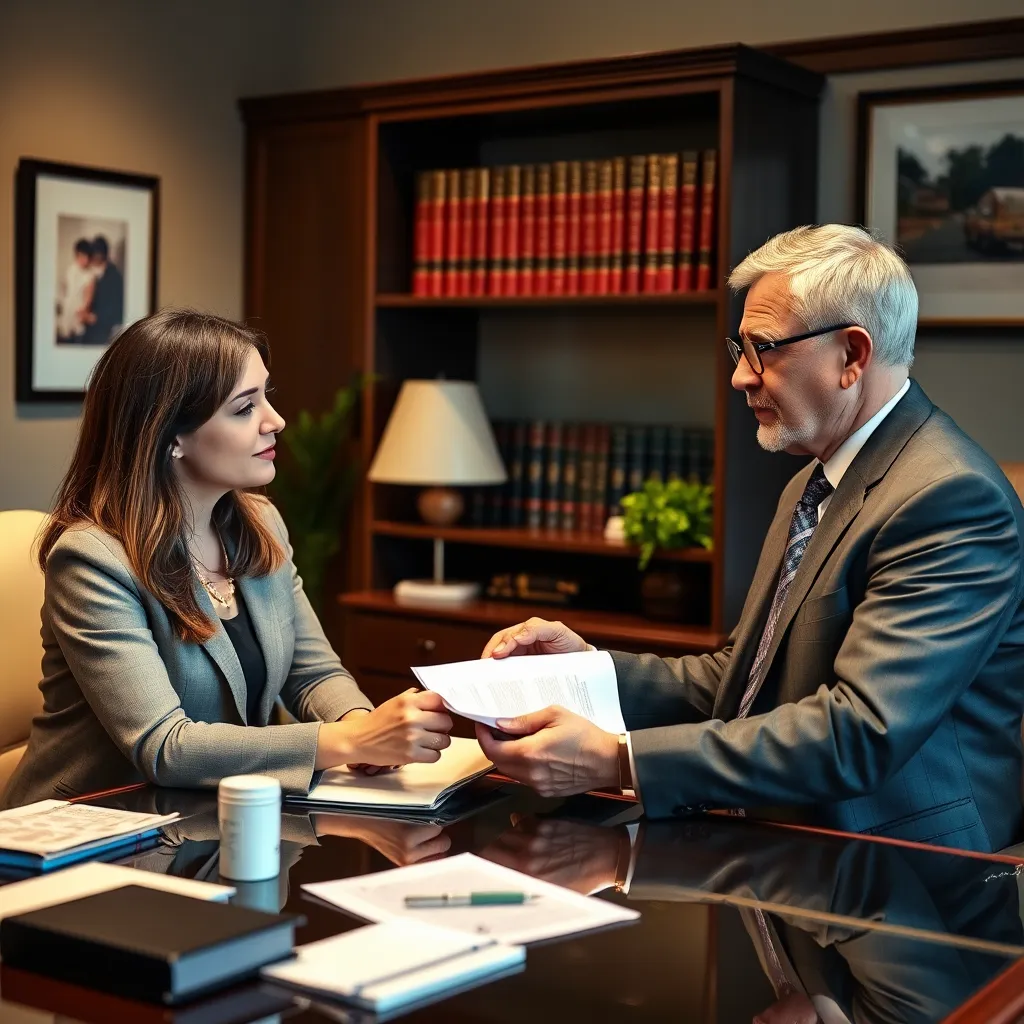
Physical Custody Lawyer Falls Church, VA
Reviewed by Mr. Sris, Owner and Founder
Admitted in Virginia, Maryland, District of Columbia, New Jersey, and New York
Practicing since 1997
The question of physical custody is often one of the most emotionally charged and legally complex issues a family can face. When parents separate or divorce, the primary focus inevitably shifts to the best interests of the child. For families residing in Falls Church, Virginia, understanding the legal framework surrounding physical custody—the day-to-day care and living arrangement of your children—is critical. The process is governed by Virginia law, which emphasizes stability, safety, and the child’s emotional well-being above all else.
Navigating this process can feel overwhelming, especially when emotions are running high. You need an attorney who not only understands the letter of Virginia family law but also possesses the sensitivity to handle the unique dynamics of a family dispute. At Law Offices Of SRIS, P.C., we provide experienced legal counsel dedicated to protecting your parental rights while ensuring that the final custody arrangement serves the best interests of your children. Our commitment is to guide you through every step, from initial consultation to final court order, giving you clarity and actionable strategies in a time when you need it most.
What Is Physical Custody in Virginia?
In Virginia, the term “custody” is often broken down into two distinct components: legal custody and physical custody. It is crucial to understand this distinction because they do not automatically mean the same thing.
Legal Custody vs. Physical Custody
Legal custody refers to the right to make major decisions regarding the child’s upbringing. These decisions include education, non-emergency medical care, religious instruction, and general welfare. When parents share legal custody, they must agree on these major issues. If they cannot agree, the court will step in to establish a parenting plan that dictates who has the authority to make these decisions.
Physical custody, conversely, refers to where the children physically reside and the schedule of time spent with each parent. This is often described as “time-sharing” in Virginia legal documents. The court does not automatically award 50/50 physical custody; rather, it assesses what arrangement promotes the child’s stability and best interests. A judge will look at factors like the children’s attachment to their current routine, the stability of the home environment, and which parent is best positioned to maintain continuity.
What Factors Do Virginia Judges Consider When Determining Physical Custody?
Virginia courts do not apply a rigid formula for determining physical custody. Instead, they engage in a holistic review of the entire family dynamic. This means that many factors—some tangible and some intangible—are weighed by the judge to create a comprehensive picture of what is best for the child.
Stability and Routine
One of the most heavily weighted factors is stability. Judges prefer arrangements that minimize disruption for the children. If a child has been in a stable routine with one parent, the court may favor maintaining that status quo, provided it is safe. Conversely, if the current environment is unstable or volatile, the court will prioritize creating predictable boundaries.
Parental Capacity and Involvement
The judge will assess both parents’ capacity to parent. This includes financial stability, emotional availability, ability to manage household responsibilities (like transportation, school drop-offs, and appointments), and adherence to agreed-upon parenting plans. Demonstrating consistent involvement in the child’s life—attending school events, helping with homework, etc.—is vital.
The Child’s Preference (When Applicable)
While a child’s preference is considered, it is not determinative. The court must weigh the child’s stated wishes against their actual maturity level and emotional understanding. A judge will determine if the child’s expressed desire is truly in their best interest or if it is influenced by external pressures.
The Process of Obtaining a Custody Order in Falls Church, VA
Securing a formal custody order requires navigating the Virginia court system. While every case is unique, the general process involves several key stages:
1. Initial Consultation and Documentation
The first step is always gathering comprehensive documentation. This includes school records, medical history, financial statements, and detailed accounts of the current parenting schedule. An experienced Family Law attorney will help you organize this evidence to build a strong case.
2. Filing and Service
The petition for custody is filed with the appropriate court in the jurisdiction (in this case, likely Fairfax County or a related jurisdiction). The opposing party must then be formally served with the legal documents, ensuring they are aware of the proceedings.
3. Mediation and Negotiation
Most jurisdictions strongly encourage mediation. This is a voluntary process where a neutral third-party mediator helps both parents negotiate a mutually acceptable parenting plan outside of court. Reaching an agreement here is always preferable, as it saves time, money, and emotional stress.
4. Court Hearing and Judgment
If mediation fails, the case proceeds to a hearing. Both parties present evidence—including testimony from witnesses, reports from custody evaluators, and documentation—to the judge. The judge then issues a ruling or judgment based on the best interests of the child.
How Mr. Sris and the Firm’s Of Counsel Attorneys Handle Physical Custody Cases in Falls Church
Physical custody disputes are inherently high-stakes, requiring a blend of active legal advocacy and profound empathy. Our approach at Law Offices Of SRIS, P.C. is not merely about winning a hearing; it is about constructing a sustainable, child-centered parenting plan that minimizes conflict for the children involved. We begin by conducting an exhaustive review of Virginia case law pertaining to time-sharing and best interests, ensuring that every piece of evidence we present is legally sound and strategically impactful.
Our process involves detailed preparation for potential mediation sessions. We work with you to anticipate the opposing counsel’s arguments and prepare counter-evidence, allowing you to enter negotiations from a position of strength and knowledge. Furthermore, we understand that the emotional toll on the parent advocating for custody is immense. Therefore, our team provides not only legal guidance but also strategic advice on managing the litigation process itself, helping you maintain your composure and focus on what truly matters: the well-being of your children. This comprehensive support system allows us to effectively represent your needs as a dedicated Physical Custody Lawyer Falls Church, VA.
About Mr. Sris and the Firm’s Of Counsel Attorneys
Mr. Sris, Owner and Founder, brings decades of dedicated experience to complex family law matters. As a former prosecutor, he possesses an invaluable understanding of courtroom procedure, evidence presentation, and how judicial decisions are reached. His practice is built on a foundation of meticulous preparation and unwavering advocacy for his clients’ rights. Mr. Sris is highly experienced in navigating the intricacies of Virginia family law, having been admitted to practice in Virginia, Maryland, the District of Columbia, New Jersey, and New York.
The firm’s Of Counsel attorneys are a network of highly specialized legal minds who collaborate with Mr. Sris and the core team. These dedicated professionals bring diverse experience across various legal fields, allowing us to provide a truly comprehensive defense strategy for our clients. We leverage the collective knowledge of these attorneys—from child psychology to complex financial analysis—to ensure that every aspect of your case is covered by seasoned counsel. When you work with Law Offices Of SRIS, P.C., you benefit from this deep pool of specialized talent, ensuring that your representation is always experienced and highly informed.
What Is a Parenting Plan in Virginia?
A parenting plan is the written document that outlines the schedules, responsibilities, and decision-making protocols for co-parenting. It is the operational blueprint for your family life post-separation. A robust plan must address everything from holiday visitation to routine weekend exchanges. If a parent fails to adhere to the established schedule, the court can intervene, leading to enforcement actions.
How Do I Modify Custody in Virginia?
Custody orders are not permanent. They are designed to adapt as the family unit changes. If circumstances change significantly—for example, if one parent relocates, or if a child reaches a new developmental milestone—it is possible to petition the court to modify the existing order. However, modification requires demonstrating a “significant change in circumstances” and proving that the proposed modification is still in the child’s best interest. This process requires careful legal maneuvering and documentation.
What Are Virginia Child Support Laws?
Child support is calculated using established guidelines based on both parents’ incomes and the number of children. These guidelines are designed to ensure that the child’s financial needs are met consistently, regardless of the parents’ relationship status. The calculation is complex and takes into account various factors, including healthcare costs and educational expenses. Failure to comply with a support order can result in severe legal penalties.
What Are Visitation Rights in Virginia?
Visitation rights are the parent’s right to spend time with their children. In the context of physical custody, visitation is formalized through the parenting plan. The law aims to ensure that both parents maintain a meaningful and consistent relationship with the child. The court will look at the history of the relationship and the best way to structure exchanges to minimize conflict while maximizing quality time.
What Exactly Means “Best Interest of the Child”?
This phrase is the cornerstone of all family law in Virginia, but it is notoriously vague. It does not have a single legal definition. Instead, it functions as an umbrella concept that requires the judge to weigh all available evidence—emotional, financial, logistical, and psychological—to determine what arrangement will provide the most stable, nurturing, and beneficial environment for the child’s overall development. It is a standard of care, not a checklist.
Can I Move After Divorce in Virginia?
Relocation after divorce or separation is one of the most contentious issues in custody disputes. If you plan to move out of the jurisdiction where the children currently reside, you must typically inform the court and the other parent immediately. The court will then evaluate whether the move constitutes a “significant change” that warrants modifying the existing parenting plan. The judge will assess the feasibility of the move for the child’s emotional and educational stability.
Need Guidance on Physical Custody in Falls Church?
The law surrounding physical custody is complex, highly fact-specific, and changes based on the unique needs of your children. Do not attempt to navigate these proceedings alone. To understand your rights and build a strategy tailored to Virginia law, speak with an experienced Physical Custody Lawyer Falls Church, VA.
(888) 437-7747
By appointment only. Call us today to schedule a confidential consultation.
Frequently Asked Questions About Physical Custody in Falls Church
What is the difference between physical and legal custody?
Legal custody determines who makes major decisions (education, medical care), while physical custody determines where the child lives and the time-sharing schedule. Both are assessed separately by the court.
Does having joint custody mean I have equal physical custody?
No. Joint legal custody means both parents share decision-making power. Physical custody is determined by a parenting plan that outlines specific time-sharing schedules, which may or may not be 50/50.
Can a temporary restraining order affect my custody case?
Yes. If there are allegations of abuse or neglect, the court can issue temporary orders, including restraining orders, which will significantly impact the immediate physical custody arrangements until a full hearing is held.
If I move to Arlington, does it affect my Falls Church custody case?
Yes, relocation outside the established jurisdiction requires court approval. The judge will evaluate the stability of the new location and whether the move negatively impacts the child’s established school or community ties in Falls Church.
How long does a physical custody hearing take?
The timeline is highly variable. From initial filing to a final order can take anywhere from several months to over a year, depending on the complexity of the case, the cooperation of the parties, and the court’s backlog.
Are there specific rules for holiday visitation in Virginia?
Virginia courts generally require parents to negotiate a detailed holiday schedule. If an agreement cannot be reached, the judge will issue a binding order that specifies which parent has primary care during major holidays like Thanksgiving and Christmas.
***Disclaimer: The information provided on this page is for educational purposes only and does not constitute legal advice. Family law is governed by complex statutes, and every case is unique. You must consult with a licensed attorney to discuss the specifics of your situation.***
Case results depend on a variety of factors unique to each case.
Attorney advertising. Prior results do not guarantee a similar outcome.