
Note: This article is confirmed by Law Offices Of SRIS, P.C.
AUTHOR BIO:WRITTEN BY
Since 1997, Mr. Sris has led the firm, focusing on the most challenging criminal and family law cases. His background in accounting and information management aids in financial and technology-related cases. Involved in significant legislative changes in Virginia. My focus since founding the firm in 1997 has always been directed towards personally handling the most challenging and involved criminal and family law matters our clients face.
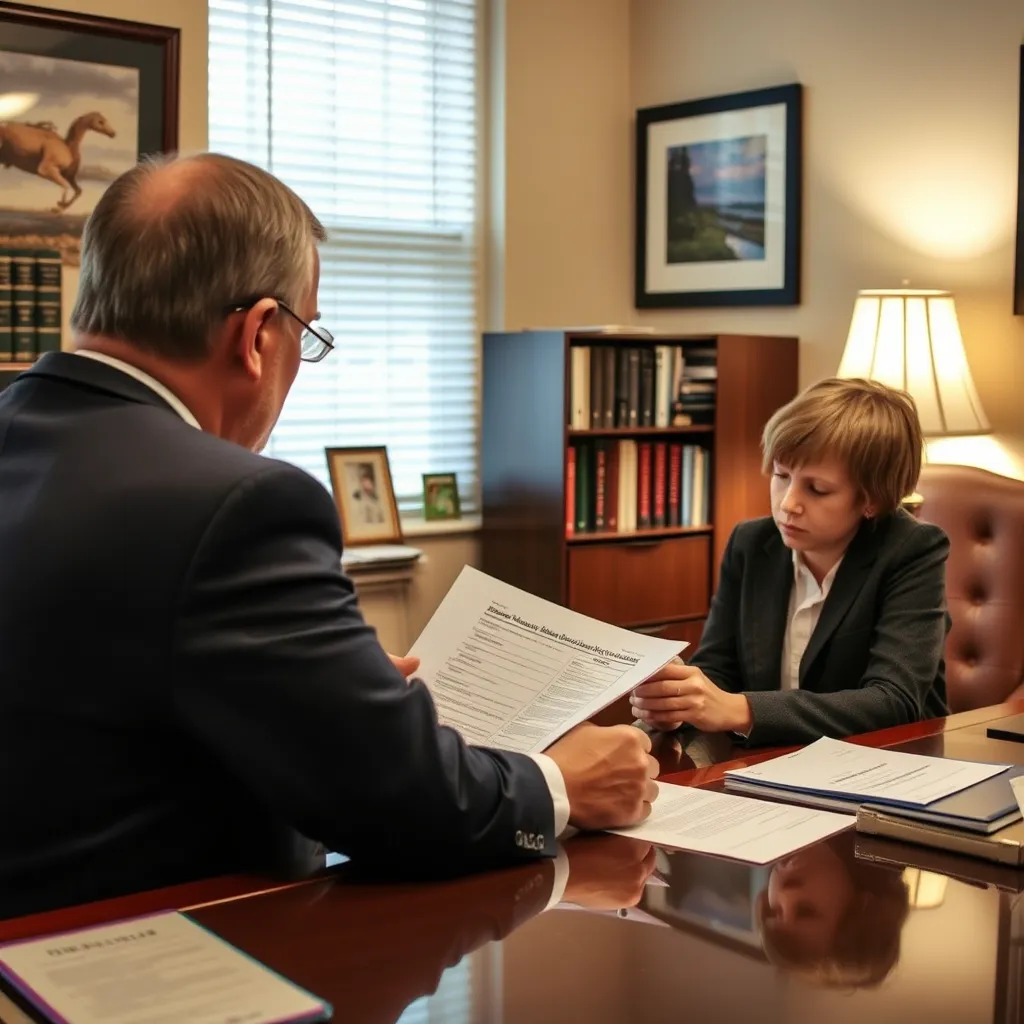
Child Guardianship Lawyer Fauquier VA
What is Child Guardianship
Child guardianship refers to legal arrangements where an adult assumes responsibility for a minor’s care and decision-making authority. This process establishes who makes choices about education, healthcare, and daily living matters for a child. Courts examine what arrangement serves the child’s welfare best. These matters require proper documentation and court approval to ensure legal validity.
The process begins with filing a petition in the appropriate court. Documentation must demonstrate why guardianship serves the child’s interests. Courts consider factors like the proposed guardian’s relationship to the child, living situation, and ability to provide care. Background checks and home evaluations may be required. The court’s primary concern remains what arrangement benefits the child most.
Legal strategies involve presenting evidence showing the proposed arrangement meets the child’s needs. Documentation should address education plans, healthcare arrangements, and financial support. Courts want assurance the guardian can handle responsibilities effectively. Proper preparation helps demonstrate the proposed guardian’s suitability.
Professional insight emphasizes thorough preparation of documentation. Courts look for comprehensive plans addressing all aspects of the child’s welfare. Legal guidance helps ensure all requirements are met properly. This approach supports presenting the strongest possible case to the court.
Reality Check: Guardianship requires court approval and ongoing oversight. The process involves detailed documentation and regular reporting to ensure the child’s needs are met properly.
How to Establish Guardianship
Establishing guardianship requires following specific legal procedures. The process begins with filing a petition in the appropriate court. Documentation must demonstrate why guardianship serves the child’s interests. Courts consider factors like the proposed guardian’s relationship to the child, living situation, and ability to provide care. Background checks and home evaluations may be required.
Action steps start with gathering necessary documentation. This includes information about the child’s current living situation, educational needs, and healthcare requirements. Financial documentation shows how the child’s needs will be met. Character references help establish the proposed guardian’s suitability. Medical records may be needed if health concerns exist.
The process involves court hearings where evidence is presented. The proposed guardian must demonstrate ability to handle responsibilities effectively. Courts examine whether the arrangement serves the child’s welfare best. Regular reporting requirements ensure ongoing oversight of the arrangement.
Professional insight emphasizes thorough preparation of all documentation. Courts look for comprehensive plans addressing all aspects of the child’s welfare. Legal guidance helps ensure all requirements are met properly. This approach supports presenting the strongest possible case to the court.
Straight Talk: The court’s main concern is what benefits the child. Documentation must clearly show how the proposed arrangement meets the child’s needs effectively.
Can I Get Temporary Guardianship
Temporary guardianship addresses situations requiring immediate care arrangements for children. These short-term solutions provide stability during emergencies or transitional periods. Courts can grant temporary arrangements when urgent circumstances arise. These provide care while longer-term solutions are developed.
The process for temporary guardianship involves demonstrating immediate need to the court. Documentation must show why temporary arrangements serve the child’s welfare. Emergency situations might include medical crises, parental incapacity, or unsafe living conditions. The court examines whether temporary measures benefit the child.
Temporary arrangements have specific time limits and reporting requirements. Courts maintain oversight to ensure the child’s needs are met properly. Regular updates help monitor the situation’s progress. These arrangements can transition to permanent guardianship if circumstances warrant.
Professional insight emphasizes proper documentation of the emergency situation. Courts need clear evidence showing why temporary measures are necessary. Legal guidance helps present the case effectively to obtain timely court approval.
Blunt Truth: Temporary guardianship requires court approval even in emergencies. Documentation must clearly demonstrate the immediate need and how the arrangement benefits the child.
Why Hire Legal Help for Guardianship
Legal assistance provides important support for guardianship matters. Attorneys understand court requirements and documentation needs. Professional guidance helps ensure all procedures are followed properly. This approach supports presenting the strongest possible case to the court.
Legal help addresses documentation requirements effectively. Attorneys assist with gathering necessary information and preparing court filings. Proper documentation demonstrates how proposed arrangements serve the child’s welfare. This includes education plans, healthcare arrangements, and financial support documentation.
Court procedures involve specific rules and timelines that attorneys understand thoroughly. Legal guidance helps handle these requirements properly. Attorneys can present evidence effectively during court hearings. This supports demonstrating the proposed guardian’s suitability and the arrangement’s benefits.
Professional insight emphasizes comprehensive preparation of all aspects of the case. Attorneys help address potential concerns before they arise. Legal guidance supports developing effective strategies for presenting the case to the court.
Reality Check: Court procedures have specific requirements that must be followed exactly. Legal help ensures documentation meets all standards and presents the case effectively.
FAQ:
What is child guardianship?
Legal arrangement where an adult assumes responsibility for a minor’s care and decision-making. Courts appoint guardians to make choices about education and healthcare.
How long does guardianship take to establish?
The process typically takes several weeks to months. Timing depends on court schedules and documentation completeness.
Can grandparents get guardianship?
Yes, grandparents can petition for guardianship. Courts examine whether the arrangement serves the child’s welfare best.
What documentation is needed?
Petition, background information, financial plans, and care arrangements. Documentation shows how needs will be met.
Can guardianship be temporary?
Yes, temporary arrangements address immediate needs. These provide care during emergencies or transitional periods.
What happens at court hearings?
Evidence is presented showing the arrangement benefits the child. The proposed guardian demonstrates ability to handle responsibilities.
Can guardianship be changed later?
Yes, arrangements can be modified if circumstances change. Court approval is required for any modifications.
What if parents disagree with guardianship?
Courts consider all viewpoints and examine what serves the child’s welfare best. Evidence helps demonstrate the arrangement’s benefits.
Are home evaluations required?
Often yes, to ensure suitable living conditions. Evaluations examine whether the environment meets the child’s needs.
What financial responsibilities come with guardianship?
Guardians manage the child’s daily needs and expenses. Courts examine financial plans to ensure proper support.
Can guardians make medical decisions?
Yes, guardians typically have authority for healthcare choices. This includes treatment decisions and medical care arrangements.
How often does court review occur?
Regular reporting requirements ensure ongoing oversight. Frequency depends on the specific arrangement and court orders.
Past results do not predict future outcomes